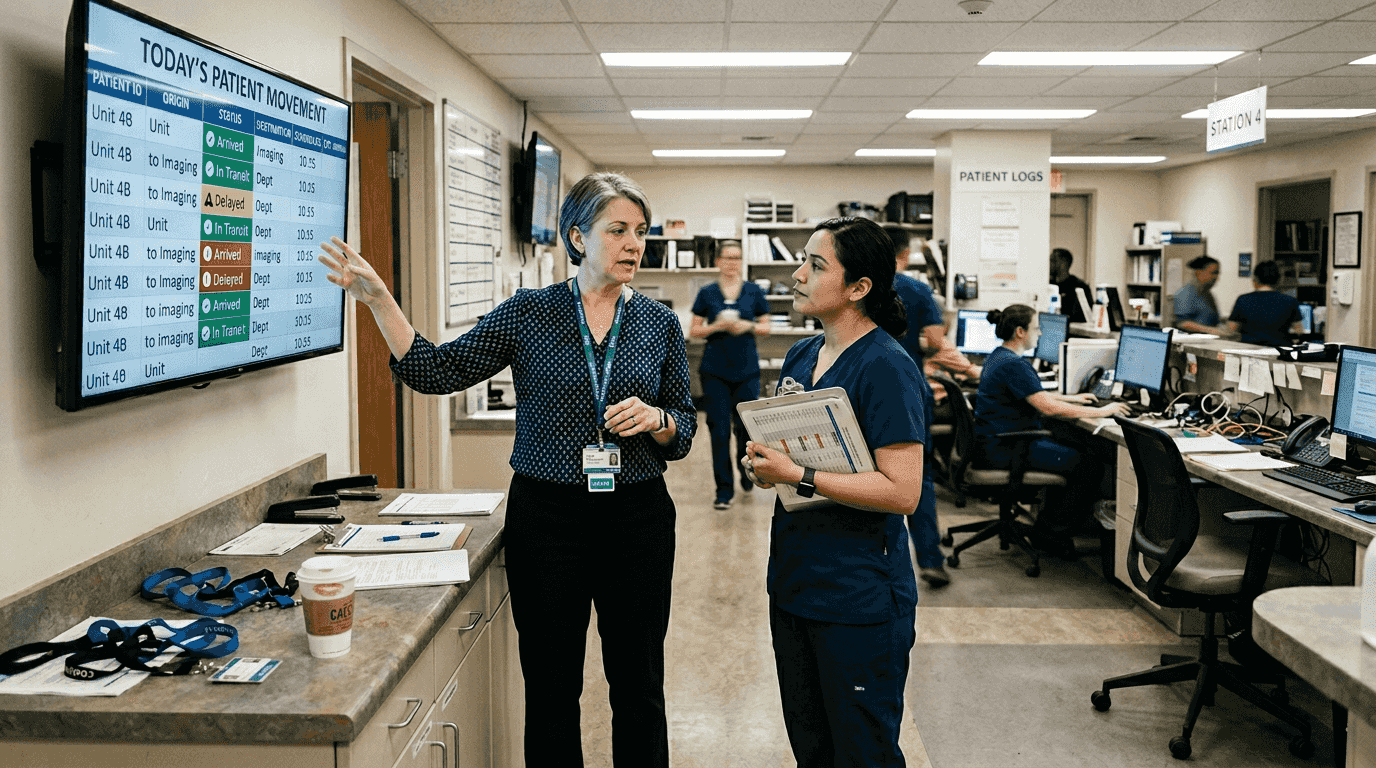
7 Key Technology Trends in Home Health 2025 for Agencies

Coordinating home health care can quickly become overwhelming when you are juggling patient needs, caregiver schedules, and changing conditions on the road. You might wonder how to keep operations efficient, protect sensitive information, and deliver high quality care every time. The right technology choices can make all the difference, but it is tough to know where to start.
This guide cuts through the confusion by highlighting practical solutions that address the toughest home health agency challenges. You will learn how to reduce travel time, improve communication, and use real time data to stay ahead of everyday disruptions. Get ready to discover actionable strategies that will transform the way you manage your team, serve your patients, and handle compliance—all while keeping sensitive data secure.
Table of Contents
- 1. Adopting AI-Driven Route Optimization
- 2. Implementing Secure Real-Time Communication
- 3. Leveraging Automation For Scheduling Efficiency
- 4. Using Data Analytics For Patient Outcomes
- 5. Integrating No-Code Workflow Solutions
- 6. Enhancing Compliance With Digital Tools
- 7. Expanding Interoperability Across Care Teams
Quick Summary
| Key Insight | Explanation |
|---|---|
| 1. Implement AI for Route Optimization | Use AI algorithms to dynamically allocate caregivers, reducing travel time and costs while enhancing service quality. |
| 2. Prioritize Secure Communication Systems | Adopt secure, real-time communication technologies to protect patient information and ensure effective coordination among care teams. |
| 3. Utilize Automated Scheduling | Implement dynamic scheduling platforms to optimize resource allocation and minimize administrative burdens, improving operational efficiency. |
| 4. Leverage Data Analytics for Patient Care | Use predictive analytics to identify health risks and track patient progression, enabling proactive rather than reactive care management. |
| 5. Adopt No-Code Workflow Solutions | Choose no-code platforms to empower staff in creating custom workflows, enhancing operational agility and reducing dependency on tech support. |
1. Adopting AI-Driven Route Optimization
Home health agencies face complex challenges in efficiently scheduling and routing healthcare professionals across diverse geographic areas. Intelligent transportation systems powered by artificial intelligence are transforming how agencies optimize their transportation logistics and patient care delivery.
The Home Health Care Routing and Scheduling Problem (HHCRSP) represents a critical operational challenge that demands sophisticated technological solutions. By leveraging AI algorithms, agencies can dynamically allocate caregivers to patient locations while managing operational constraints and regulatory requirements. These advanced systems integrate real time data processing, allowing for continuous route adjustments based on traffic patterns, caregiver availability, and patient needs.
Key benefits of AI driven route optimization include significant reductions in travel time, lower operational costs, and enhanced service quality. Agencies implementing these technologies can expect more precise scheduling, reduced fuel consumption, and improved caregiver productivity. The system learns and adapts continuously, creating increasingly efficient routing strategies that maximize patient care opportunities.
Implementation involves integrating machine learning algorithms with existing geographic information systems and real time traffic monitoring platforms. Healthcare administrators should focus on selecting solutions that offer seamless data integration, predictive analytics capabilities, and user friendly interfaces that support rapid adoption.
Pro tip: Start with a pilot program testing AI route optimization on a small subset of your agency’s service area to validate performance and build organizational confidence before full scale implementation.
2. Implementing Secure Real-Time Communication
As home health agencies increasingly rely on digital platforms, secure real-time communication has become a critical technological priority. Robust communication systems now represent the backbone of effective patient care and organizational coordination.
Secure communication technologies go far beyond simple messaging platforms. They integrate advanced security protocols like end-to-end encryption, multi-factor authentication, and granular role-based access control. These sophisticated systems ensure that sensitive patient health information remains protected while enabling instantaneous communication between healthcare professionals, administrators, and support staff.
Practical implementation requires a comprehensive approach that balances technological capability with user friendly design. Home health agencies should prioritize platforms that offer seamless integration with existing electronic health record systems, support mobile and desktop interfaces, and provide detailed audit trails for compliance monitoring.
Key features to consider include secure video conferencing for telemedicine visits, encrypted instant messaging, emergency alert mechanisms, and the ability to share patient information securely across authorized personnel. The goal is creating a communication ecosystem that enhances patient care while maintaining stringent data protection standards.
Pro tip: Conduct quarterly security training sessions to ensure all team members understand proper protocols for using secure communication platforms and recognizing potential digital security risks.
3. Leveraging Automation for Scheduling Efficiency
Home health agencies are experiencing a transformative shift in operational management through advanced scheduling automation technologies. Dynamic scheduling platforms are revolutionizing how healthcare organizations allocate resources and manage caregiver assignments.
Automation technologies provide unprecedented capabilities in scheduling optimization. These intelligent systems analyze multiple variables simultaneously including caregiver skill sets, geographic proximity, patient requirements, and real time availability. By dynamically aligning caregiver schedules with patient needs, agencies can dramatically reduce manual administrative work and minimize scheduling errors.
Implementing automated scheduling requires a strategic approach. Agencies should prioritize platforms that offer flexible integration with existing electronic health record systems, support complex scheduling rules, and provide intuitive interfaces for administrators and caregivers. The goal is creating a seamless workflow that adapts quickly to unexpected changes while maintaining high service quality standards.
Key benefits include reduced administrative overhead, improved resource allocation, faster response times for patient requests, and enhanced overall operational efficiency. Advanced automation can help agencies optimize staff utilization, reduce scheduling conflicts, and ultimately improve patient care experiences.
Pro tip: Conduct a comprehensive workflow analysis before implementing automated scheduling to identify specific organizational bottlenecks and ensure the selected platform addresses your unique operational requirements.
4. Using Data Analytics for Patient Outcomes
Data analytics has emerged as a transformative force in home health agency management, offering unprecedented insights into patient care strategies. Predictive analytics technologies are reshaping how agencies approach patient monitoring and intervention planning.
Modern data analytics tools integrate clinical and operational data to create comprehensive patient profiles. These sophisticated systems can identify potential health risks, track patient progression, and generate personalized care recommendations based on complex algorithmic analysis. By leveraging machine learning models, home health agencies can detect subtle trends and anomalies that might otherwise go unnoticed.
Implementing data analytics requires a strategic approach. Agencies should invest in robust platforms that offer real-time dashboards, seamless electronic health record integration, and advanced reporting capabilities. The goal is creating a data-driven environment where decision making is guided by empirical evidence rather than intuition.
Key benefits include reduced hospital readmissions, more targeted patient interventions, improved resource allocation, and enhanced overall care quality. Advanced analytics enable agencies to move from reactive to proactive care management, ultimately supporting better patient outcomes and more efficient healthcare delivery.
Pro tip: Develop a comprehensive data governance framework that ensures patient privacy, maintains rigorous data quality standards, and establishes clear protocols for analytics implementation and interpretation.
5. Integrating No-Code Workflow Solutions
Home health agencies are experiencing a technological revolution through no-code workflow platforms that democratize software development and process automation. These innovative solutions enable healthcare administrators to design complex operational workflows without requiring extensive programming expertise.
No-code platforms represent a significant shift in how organizations approach technological implementation. By providing intuitive drag and drop interfaces, visual configuration tools, and pre built templates, these solutions allow staff members to create custom workflows that integrate seamlessly across different healthcare information systems. The result is increased operational agility, reduced dependency on specialized technical resources, and faster adaptation to changing regulatory requirements.
Successful implementation requires a strategic approach. Agencies should evaluate no-code platforms based on their ability to connect with existing electronic health record systems, support complex business logic, and provide robust security and compliance features. The goal is creating a flexible technological ecosystem that empowers staff to continuously optimize and streamline their operational processes.
Key advantages include accelerated workflow development, reduced implementation costs, improved cross departmental collaboration, and the ability to rapidly respond to emerging healthcare challenges. No-code solutions transform traditional IT bottlenecks into opportunities for continuous innovation and operational improvement.
Pro tip: Select no-code platforms that offer comprehensive training resources and have strong community support to ensure your team can effectively leverage the full potential of these transformative technologies.
6. Enhancing Compliance with Digital Tools
Home health agencies face increasingly complex regulatory landscapes that demand sophisticated technological solutions. Digital compliance monitoring systems represent a transformative approach to maintaining regulatory standards and ensuring patient safety.
Automated digital tools now enable agencies to implement comprehensive compliance strategies that go beyond traditional manual tracking methods. These advanced systems provide real time monitoring of critical operational metrics, generating instant alerts for potential protocol deviations and creating detailed documentation trails that support thorough regulatory reviews.
Implementation requires a strategic approach focused on selecting platforms that integrate seamlessly with existing electronic health record systems. Agencies should prioritize solutions offering configurable alert mechanisms, robust reporting capabilities, and user friendly interfaces that support rapid staff adoption. The objective is creating a proactive compliance environment that anticipates potential issues before they become significant problems.
Key advantages include reduced administrative burden, minimized risk of regulatory violations, improved patient safety protocols, and the ability to demonstrate consistent adherence to complex healthcare standards. Digital compliance tools transform regulatory requirements from potential challenges into opportunities for organizational excellence.
Pro tip: Conduct quarterly comprehensive audits of your digital compliance platform to ensure all monitoring rules remain current with the latest regulatory requirements and technological capabilities.
7. Expanding Interoperability Across Care Teams
Home health agencies are experiencing a paradigm shift in data coordination through advanced healthcare interoperability platforms. These sophisticated technological ecosystems enable seamless communication and data exchange across diverse healthcare provider networks.
Interoperability goes beyond simple data sharing. It represents a comprehensive approach to creating unified patient care networks that connect electronic health records, telehealth systems, mobile devices, and specialized healthcare applications. By adopting standardized data exchange protocols, agencies can ensure real time information flow that supports coordinated care delivery and enhanced clinical decision making.
Successful implementation requires strategic technology selection and comprehensive staff training. Agencies should prioritize platforms that support multiple data standards, offer robust security protocols, and provide intuitive interfaces that minimize learning curves. The goal is creating a flexible technological infrastructure that adapts to evolving healthcare communication requirements.
Key benefits include reduced medical errors, improved care coordination, faster patient information access, and more efficient transitions between different care providers. Interoperability transforms fragmented healthcare communication into a comprehensive, patient centered approach that prioritizes information transparency and collaborative care delivery.
Pro tip: Conduct periodic interoperability assessments to ensure your technology platforms remain compatible with emerging healthcare data standards and integrate smoothly with partner healthcare networks.
Below is a comprehensive table summarizing the strategies and technologies discussed throughout the article for enhancing home health agency operations.
| Topic | Technological Implementations | Key Advantages |
|---|---|---|
| AI-Driven Route Optimization | Integrated AI and real-time data analytics for routing caregivers. | Reduced travel time, cost savings, improved service quality, and continuous adaptation to dynamic variables. |
| Real-Time Communication | Secure platforms with features like encrypted messaging and video conferencing. | Protected patient information, improved coordination, and robust compliance management. |
| Scheduling Automation | Comprehensive systems for dynamic caregiver allocation. | Increased efficiency, reduced manual work, minimized scheduling conflicts, and optimal resource utilization. |
| Patient Data Analytics | Predictive analytics systems integrated with patient records. | Enhanced care quality, proactive risk management, decreased hospital readmissions, and evidence-based decision making. |
| No-Code Workflow Solutions | Platforms enabling process customization without programming expertise. | Rapid deployment of workflows, operational agility, reduced dependence on IT, and cost-efficient adaptation to organizational needs. |
| Digital Compliance Solutions | Automated tools for regulatory adherence and real-time operational monitoring. | Decreased administrative workload, reduced violation risks, better protocol adherence, and actionable insights for regulatory compliance. |
| Data Interoperability | Advanced platforms for seamless healthcare network integration. | Improved data access and sharing, reduced errors, efficient transitions between providers, and cohesive patient-centered care networks. |
This table highlights the technological solutions specified for optimizing the operations of home health agencies, focusing on distinct features and subsequent benefits.
Transform Your Home Health Agency with Smarter Technology Solutions
The article highlights how home health agencies face challenges like optimizing routes, securing real-time communication, automating scheduling, and ensuring compliance. These pain points demand adaptable, AI-driven tools that reduce costs, improve caregiver productivity, and enhance patient outcomes. VectorCare’s comprehensive digital platform is designed exactly for these needs—featuring intelligent scheduling optimization, secure communication channels, and real-time updates that seamlessly integrate with your existing systems.
With features like AI-powered dispatching and no-code workflow automation, VectorCare empowers healthcare providers to overcome operational bottlenecks and dramatically improve care coordination. Take control of your agency’s efficiency and compliance with a solution built for the future of home health services.
Discover how VectorCare can elevate your agency’s technology strategy today.
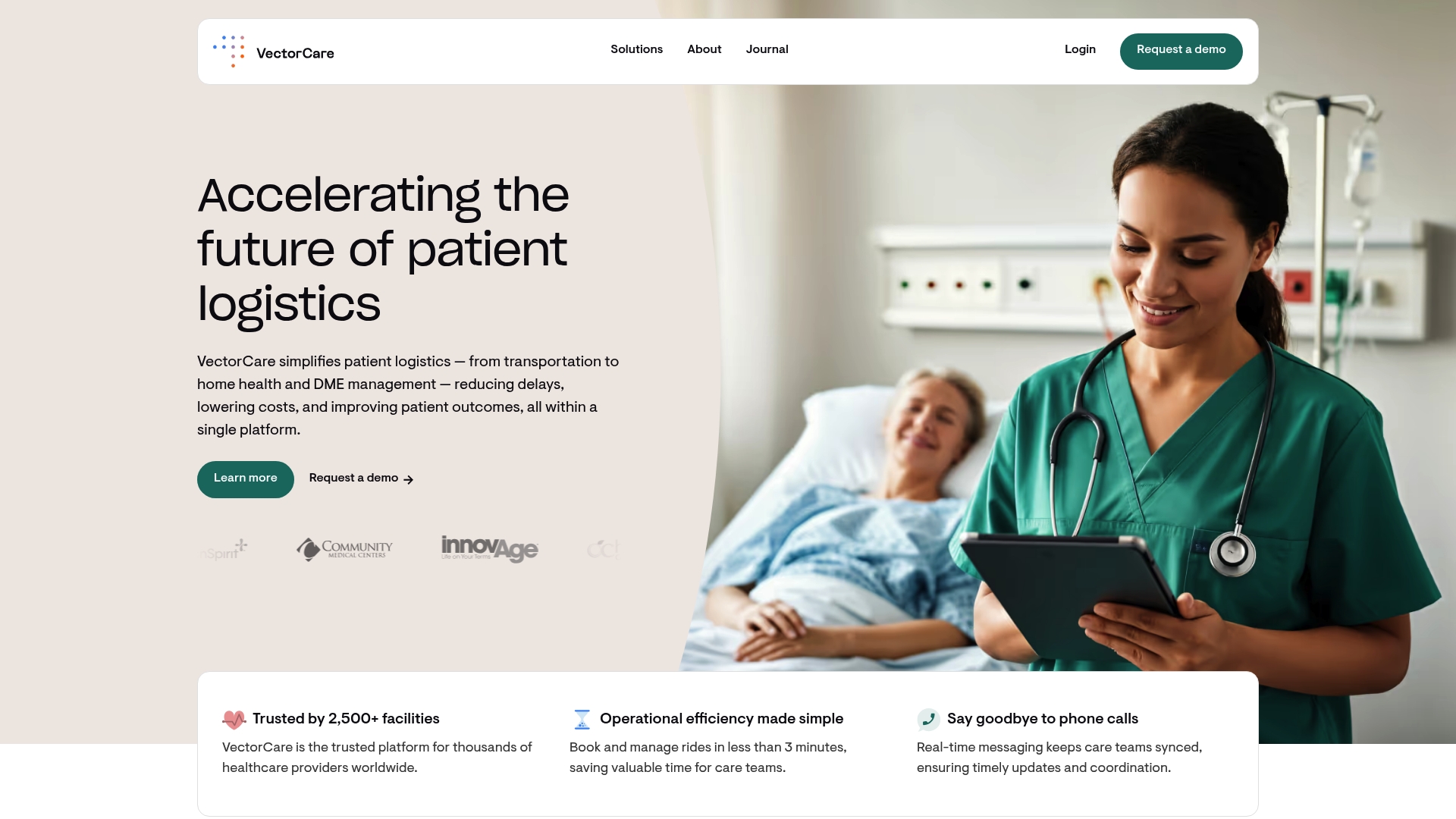
Explore our all-in-one platform designed for home health logistics at VectorCare. Get started now to unlock advanced scheduling, secure communication, and data-driven insights tailored to your needs. Visit https://vectorcare.com to transform patient care coordination and reduce operational burdens immediately.
Frequently Asked Questions
What are the benefits of AI-driven route optimization for home health agencies?
AI-driven route optimization significantly reduces travel time and operational costs while improving service quality. To leverage these benefits, consider piloting AI solutions in a limited area to validate performance before a full-scale rollout.
How can home health agencies implement secure real-time communication?
To implement secure real-time communication, prioritize platforms that offer end-to-end encryption and integration with electronic health records. Start by conducting a training session for your team on the new system to ensure they understand secure usage and the importance of protecting patient data.
What steps should be taken for effective scheduling automation in home health agencies?
Effective scheduling automation involves selecting flexible platforms that integrate with existing systems and support complex scheduling rules. Conduct a comprehensive workflow analysis to identify specific bottlenecks and ensure the new system meets your agency’s operational needs.
How can data analytics improve patient outcomes in home health settings?
Data analytics can enhance patient outcomes by providing insights that lead to more proactive care measures and targeted interventions. Begin by investing in analytics platforms that offer real-time dashboards to track patient data and facilitate informed decision-making.
What criteria should home health agencies consider when choosing no-code workflow solutions?
When selecting no-code workflow solutions, agencies should consider platforms that allow seamless integration with existing systems and provide user-friendly interfaces. Evaluate the training resources available to ensure staff can effectively utilize the tools for process automation.
How does digital compliance monitoring benefit home health agencies?
Digital compliance monitoring provides real-time oversight of operational metrics, reducing the risk of regulatory violations and enhancing patient safety. Incorporate a digital compliance platform and conduct quarterly audits to keep your monitoring rules aligned with current regulatory standards.