Patient Health Monitoring: Enhancing Hospital Logistics
Every day, healthcare administrators face the challenge of coordinating patient care across multiple departments in large American hospitals. Keeping up with continuous health monitoring and efficient resource management can feel overwhelming as patient needs change rapidly. By adopting integrated, real-time data management solutions, leaders can ensure better clinical oversight and smoother logistics, transforming how care is delivered and enhancing both staff efficiency and patient outcomes.
Table of Contents
- Defining Patient Health Monitoring and Logistics
- Core Technologies Enabling Real-Time Monitoring
- Types of Monitoring Systems and Data Sources
- Compliance and Data Security in U.S. Hospitals
- Responsibilities and Risks for Hospital Administrators
- Cost Implications and Operational Impact
Key Takeaways
| Point | Details |
|---|---|
| Continuous Patient Monitoring | Implement remote monitoring technologies to shift from reactive to proactive healthcare models, enhancing patient care through real-time data. |
| Integration of Advanced Technologies | Utilize IoT, machine learning, and cloud computing to create comprehensive monitoring systems for better patient insights and personalized interventions. |
| Compliance and Data Security | Ensure adherence to HIPAA regulations and adopt a holistic approach to data protection, combining technology with organizational commitment. |
| Strategic Cost Management | Approach healthcare technology investments with a detailed cost-benefit analysis, focusing on long-term savings and operational efficiency. |
Defining Patient Health Monitoring and Logistics
Patient health monitoring represents a sophisticated approach to tracking and managing individual healthcare needs through continuous data collection and analysis. At its core, this process involves systematically gathering physiological information to support proactive medical interventions and personalized care strategies. Remote patient monitoring technologies enable healthcare providers to extend clinical oversight beyond traditional hospital settings, transforming how medical professionals understand and respond to patient conditions.
The concept encompasses several critical components that work synergistically to enhance patient care:
- Continuous vital sign tracking
- Real-time health data transmission
- Digital documentation and analysis
- Predictive risk assessment
- Personalized intervention planning
Hospital logistics plays a crucial role in this ecosystem, managing the complex coordination of resources, information, and personnel required to deliver seamless healthcare experiences. Patient logistics involves strategically organizing transportation, equipment, staffing, and communication channels to ensure efficient and timely medical service delivery.
Patient health monitoring transforms reactive healthcare models into proactive, data-driven medical management systems.
Digital technologies have dramatically expanded the capabilities of patient health monitoring. Remote monitoring tools now allow clinicians to collect patient data from multiple sources, including wearable devices, home health monitoring systems, and smartphone applications. These technologies enable comprehensive healthcare workflow integration, supporting more responsive and personalized medical interventions.
Pro tip: Implement standardized data collection protocols to ensure consistent and reliable patient health monitoring across different clinical settings and technological platforms.
Core Technologies Enabling Real-Time Monitoring
Real-time patient health monitoring leverages cutting-edge technological innovations that transform traditional healthcare delivery models. IoT-based sensor networks have revolutionized how healthcare providers track and analyze patient physiological data, enabling unprecedented levels of continuous medical surveillance and intervention.
The core technologies driving this monitoring revolution include:
- Wireless sensor networks
- Cloud computing platforms
- Advanced data analytics engines
- Machine learning algorithms
- High-speed telecommunication infrastructures
Telecommunications technology plays a pivotal role in these monitoring systems. 5G network architectures provide ultra-low latency communication channels that support rapid data transmission, allowing healthcare professionals to receive real-time updates on patient conditions with millisecond-level responsiveness.
Advanced monitoring technologies bridge the gap between traditional clinical observation and proactive, data-driven healthcare interventions.
Hybrid technological frameworks combining Internet of Things (IoT) sensors, artificial intelligence, and robust network infrastructures create comprehensive patient monitoring ecosystems. These systems can simultaneously track multiple vital signs, process complex physiological data, and generate predictive insights that enable more personalized and preventative medical approaches.
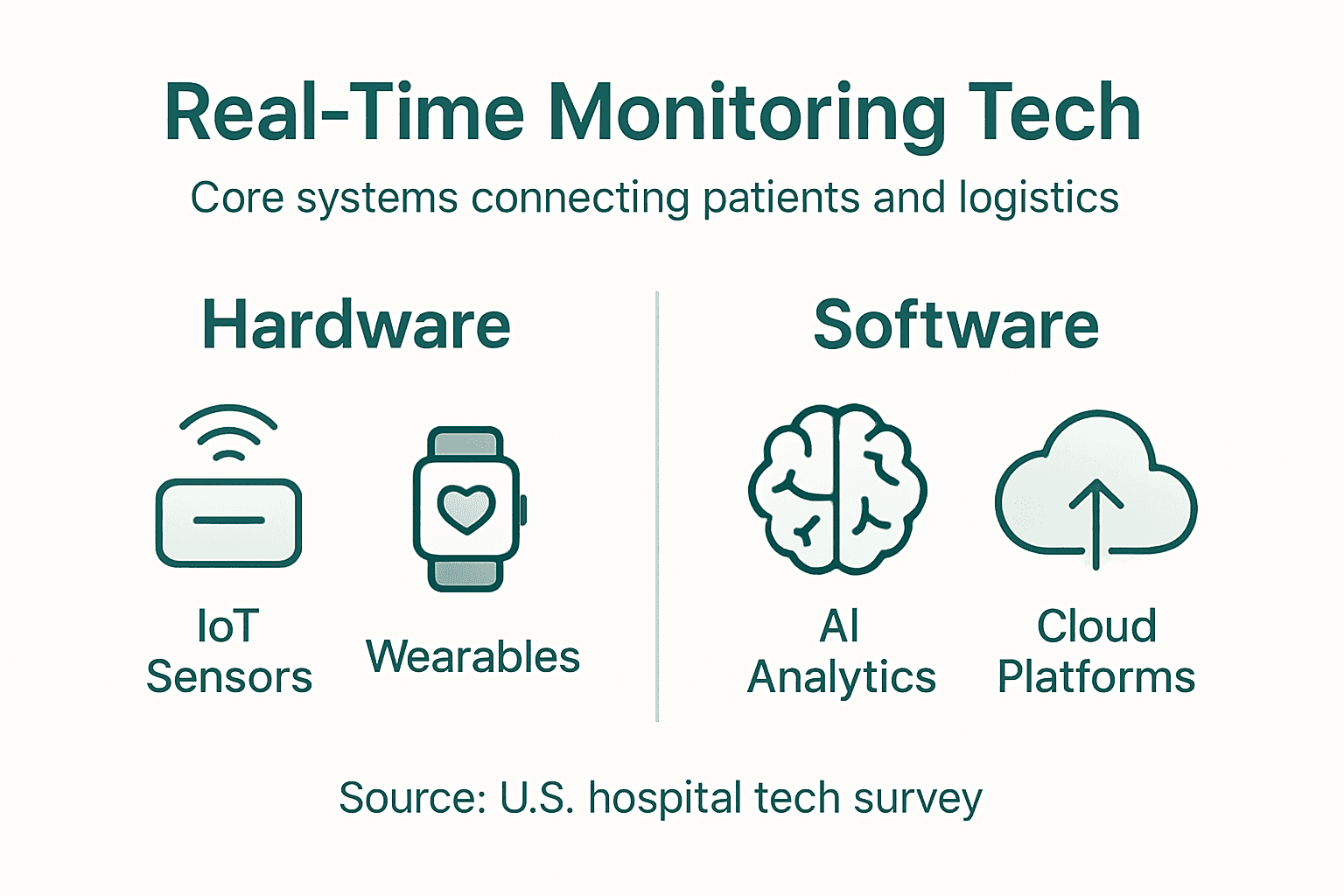
Here’s a quick comparison of core technologies used in real-time patient health monitoring:
| Technology Type | Primary Benefit | Typical Application |
|---|---|---|
| Wireless Sensor Networks | Enables continuous data capture | Wearable devices |
| Cloud Computing Platforms | Centralizes and analyzes data | Remote access for clinicians |
| Machine Learning Engines | Generates predictive health insights | Early risk identification |
| 5G Telecommunications | Supports rapid data transfer | Real-time alerts |
Pro tip: Prioritize interoperability and standardized data protocols when implementing real-time monitoring technologies to ensure seamless integration across different healthcare platforms and devices.
Types of Monitoring Systems and Data Sources
Patient health monitoring encompasses a diverse array of technological systems designed to capture comprehensive health data across multiple contexts. Wearable sensor networks represent a critical breakthrough in continuous health tracking, enabling healthcare providers to gather real-time physiological information with unprecedented precision and accessibility.
The primary types of monitoring systems include:
- Wearable sensor devices
- Implantable medical technologies
- Environmental motion detectors
- Mobile health applications
- Smart home health monitoring systems
Remote patient monitoring technologies leverage multiple data collection strategies. Telehealth monitoring platforms can track an extensive range of health parameters, including cardiovascular metrics, respiratory rates, blood glucose levels, and activity patterns. These systems transform raw physiological data into actionable clinical insights, supporting proactive healthcare interventions.
Modern monitoring technologies convert complex health data into strategic, preventative healthcare intelligence.
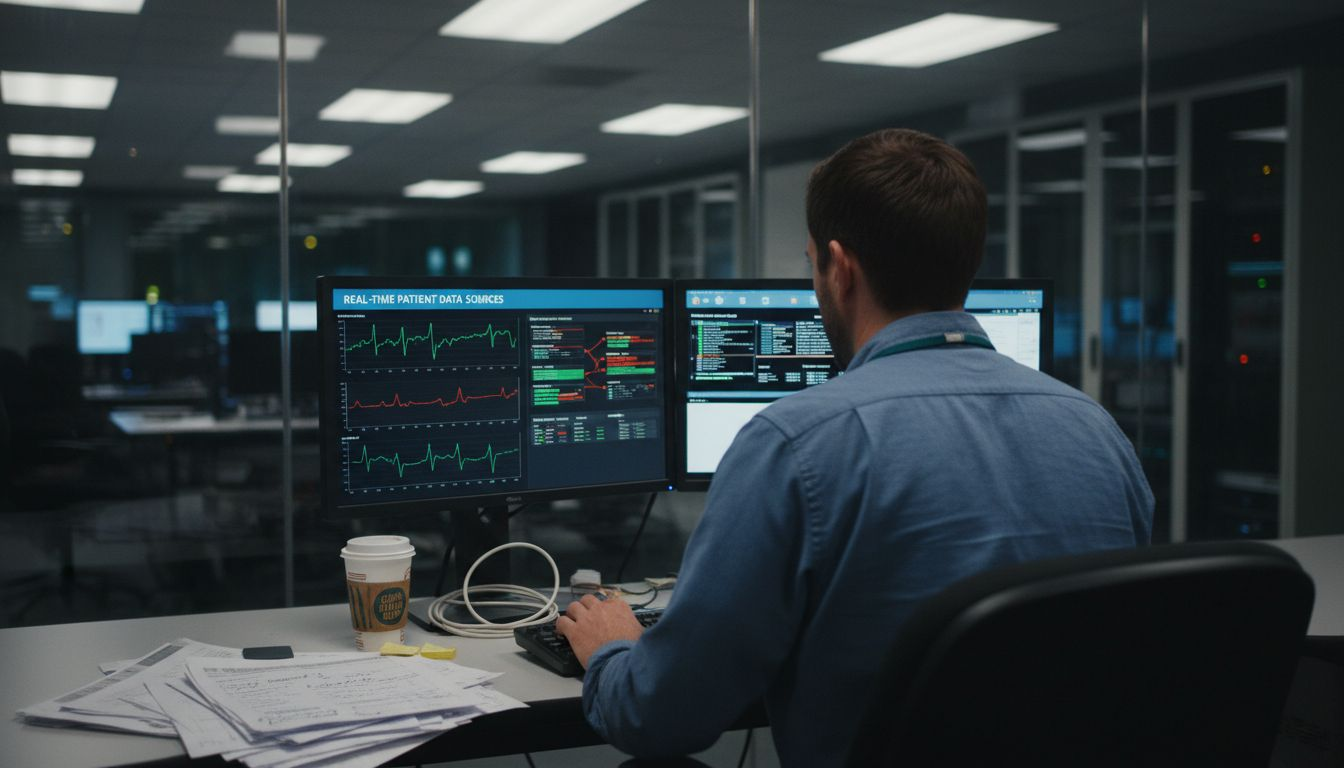
The sophistication of contemporary monitoring systems lies in their ability to integrate multiple data sources. Hybrid technologies now combine wireless sensors, cloud computing, machine learning algorithms, and advanced analytics to create comprehensive health monitoring ecosystems that provide holistic views of patient health across different medical contexts.
Pro tip: Select monitoring technologies that offer seamless data integration and demonstrate robust interoperability with existing electronic health record systems.
Compliance and Data Security in U.S. Hospitals
Patient data protection represents a critical imperative for modern healthcare institutions, requiring comprehensive strategies to safeguard sensitive medical information. HIPAA Security Rule compliance mandates rigorous protocols that healthcare organizations must implement to protect electronic protected health information across multiple technological platforms.
Key compliance and security dimensions include:
- Administrative safeguards
- Physical security protocols
- Technical infrastructure protection
- Risk management frameworks
- Continuous security training
Cybersecurity preparedness has become increasingly complex for healthcare systems. Enterprise-wide cyber risk strategies demand proactive approaches that integrate technological solutions with organizational culture, transforming security from a technical challenge into a strategic priority.
Effective data security transcends technological solutions and requires comprehensive organizational commitment.
Successful hospital compliance programs integrate multiple layers of protection, combining advanced technological tools with robust human-centered training and governance frameworks. This holistic approach ensures that patient data remains confidential, integrity is maintained, and healthcare delivery remains uninterrupted by potential security breaches.
Pro tip: Develop a multidisciplinary cybersecurity team that includes clinical, technological, and administrative professionals to create comprehensive data protection strategies.
Responsibilities and Risks for Hospital Administrators
Hospital administrators play a pivotal role in orchestrating complex healthcare ecosystems, balancing multiple critical responsibilities simultaneously. Healthcare leadership demands comprehensive management skills that extend far beyond traditional operational oversight, requiring strategic vision and nuanced understanding of medical infrastructure.
Key responsibilities for hospital administrators include:
- Policy development and implementation
- Staff recruitment and management
- Financial planning and budgeting
- Regulatory compliance monitoring
- Strategic organizational planning
- Patient safety protocol design
- Technology infrastructure management
Risk management represents a critical dimension of administrative responsibilities. Healthcare administrators must navigate complex legal and operational challenges that can potentially impact patient outcomes, organizational reputation, and financial stability.
Successful hospital administrators transform potential risks into strategic opportunities for organizational growth and improvement.
The multifaceted nature of hospital administration requires leaders to maintain a delicate balance between clinical excellence, operational efficiency, and financial sustainability. This involves continuous adaptation to evolving healthcare technologies, regulatory landscapes, and patient care expectations.
Pro tip: Develop a proactive risk management framework that integrates cross-departmental perspectives and leverages data-driven insights to anticipate and mitigate potential organizational challenges.
Cost Implications and Operational Impact
Healthcare technology investments are increasingly complex financial decisions for modern hospitals. Escalating operational costs challenge healthcare administrators to balance technological innovation with financial sustainability, requiring strategic resource allocation and sophisticated cost management approaches.
Key financial considerations in patient monitoring technologies include:
- Initial technology infrastructure investments
- Ongoing software and hardware maintenance
- Staff training and implementation costs
- Potential reimbursement revenue streams
- Long-term operational efficiency gains
- Potential reduction in hospital readmission expenses
- Cybersecurity and compliance expenditures
Remote patient monitoring represents a nuanced financial strategy. Reimbursement models for healthcare technologies continue to evolve, challenging traditional fee-for-service approaches and demanding more value-based payment structures that align with clinical outcomes.
Successful healthcare technology investments transform cost centers into strategic operational assets.
Hospitals must approach technological investments with comprehensive financial analysis, considering not just immediate expenses but potential long-term savings through improved patient outcomes, reduced administrative overhead, and enhanced operational efficiency.
Key financial impacts of patient monitoring technology investments at a glance:
| Financial Factor | Challenge | Opportunity |
|---|---|---|
| Upfront Implementation Cost | High initial expenses | Long-term savings potential |
| Ongoing Maintenance | Budgeting for upgrades | Improved system reliability |
| Reimbursement Revenue | Uncertain payment models | Value-based incentives |
| Readmission Reduction | Requires effective integration | Decreases costly readmits |
Pro tip: Develop a detailed cost-benefit analysis that incorporates both direct financial metrics and potential qualitative improvements in patient care and operational workflows.
Streamline Patient Health Monitoring with Smarter Hospital Logistics
The challenges outlined in the article highlight the critical need for seamless coordination of patient health monitoring and hospital logistics to improve outcomes and reduce operational strain. Healthcare providers struggle with real-time data integration, resource scheduling, and efficient communication across multiple touchpoints. VectorCare’s comprehensive digital platform directly addresses these pain points by offering AI-driven dispatching, automated scheduling optimization, and secure communication tools that enhance the responsiveness of patient transport and home health services.
By transforming fragmented monitoring data into actionable logistics workflows, healthcare organizations can overcome delays, reduce administrative burdens, and ensure timely interventions. Discover how VectorCare’s technology supports scalable, compliant, and interoperable solutions designed to integrate with existing healthcare infrastructure and empower staff at every level.
Ready to elevate your hospital’s patient health monitoring and logistics?
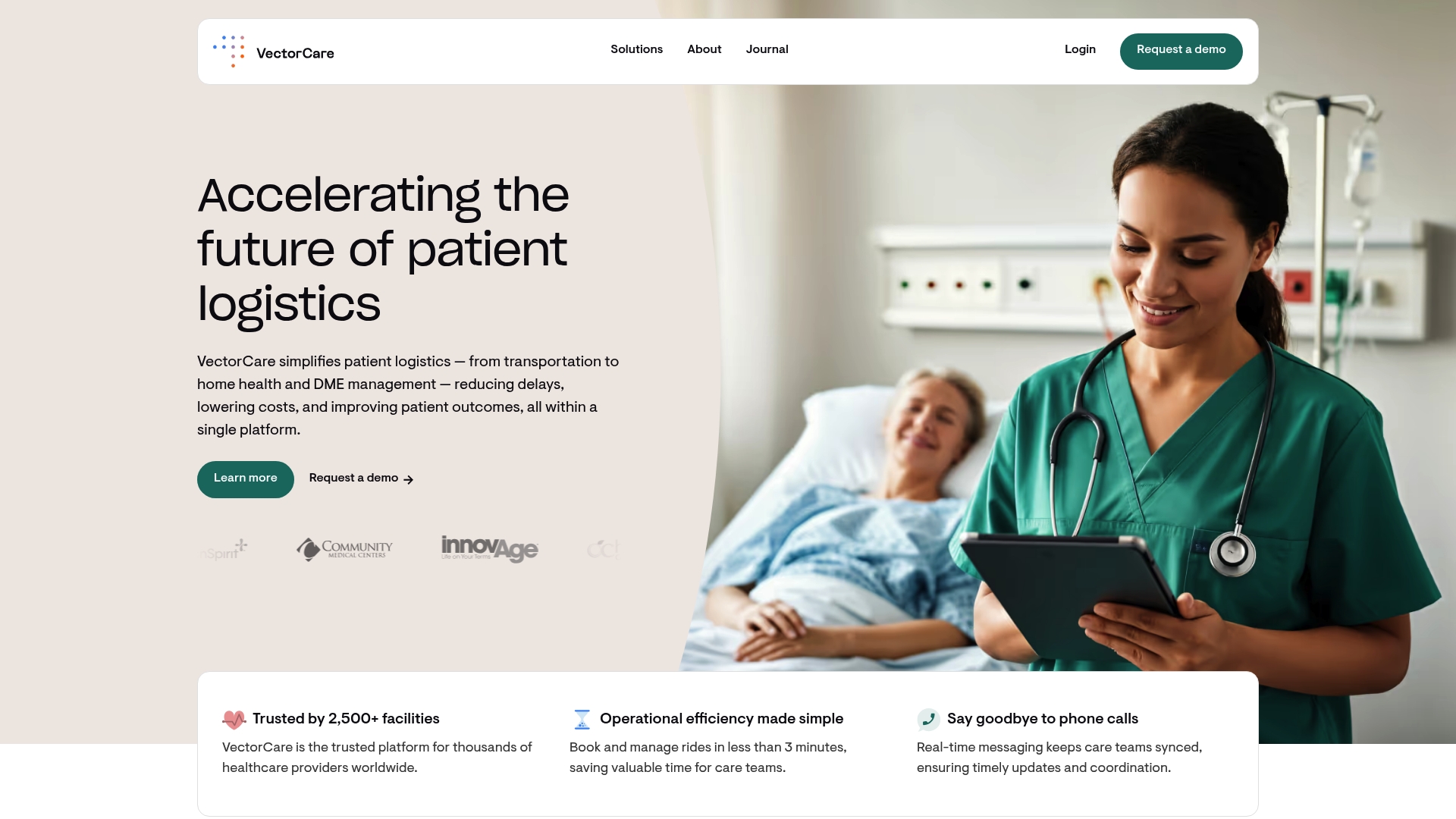
Explore the future of coordinated healthcare operations with VectorCare’s integrated platform. Take the next step to improve patient care delivery, lower costs, and enhance operational efficiency today by visiting https://vectorcare.com. Learn more about how smart logistics redefine healthcare with VectorCare.
Frequently Asked Questions
What is patient health monitoring?
Patient health monitoring refers to the systematic collection and analysis of physiological data to manage healthcare needs proactively, enabling personalized care and timely medical interventions.
How do remote patient monitoring technologies improve hospital logistics?
Remote patient monitoring technologies enhance hospital logistics by facilitating real-time health data transmission, enabling efficient resource management and timely responses to patient conditions, thereby optimizing overall healthcare delivery.
What core technologies are used in real-time patient health monitoring?
Key technologies include wireless sensor networks, cloud computing platforms, advanced data analytics engines, machine learning algorithms, and high-speed telecommunication infrastructures, such as 5G networks that allow rapid data transmission.
What are some types of monitoring systems available for patient health?
Types of monitoring systems include wearable sensor devices, implantable medical technologies, mobile health applications, smart home health monitoring systems, and environmental motion detectors, all designed to track various health parameters.
Recommended
- Understanding Remote Monitoring Benefits in Healthcare
- Remote Monitoring in Healthcare: 2025 Trends and Best Practices
- What is Patient Logistics: What You Need to Know | VectorCare
- 3 Ways to Improve Patient Satisfaction with Remote Patient Monitoring | VectorCare
- Wellness-Angebote integrieren Anleitung: Innovative Praxislösungen