How patient education improves health outcomes in 2026
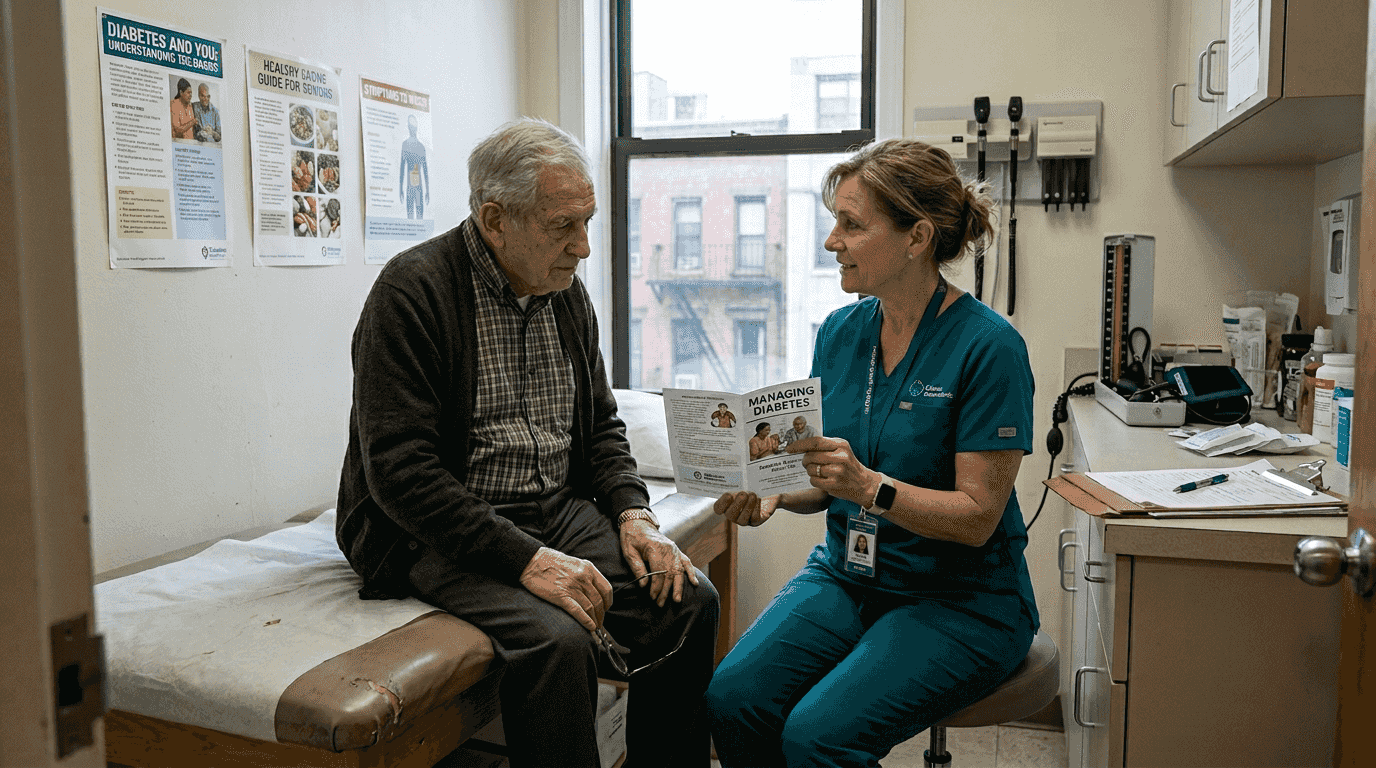
Healthcare administrators face a persistent challenge: patients who don’t understand their conditions or treatment plans are less likely to follow through, leading to poorer outcomes and higher readmission rates. Effective patient education bridges this gap, transforming passive recipients of care into active participants who manage their health proactively. When providers invest in clear, personalized education strategies, they see measurable improvements in adherence, care coordination, and long-term health outcomes. This guide explores the criteria, methods, and implementation strategies that make patient education a powerful tool for improving health outcomes in 2026.
Table of Contents
- Criteria For Effective Patient Education That Improves Health Outcomes
- Top Patient Education Methods And Tools Transforming Care Coordination
- Comparing Patient Education Approaches: Benefits, Challenges, And Outcomes
- Deciding And Implementing Patient Education Strategies For Your Healthcare Setting
- Enhance Patient Care Coordination With VectorCare Solutions
Key takeaways
| Point | Details |
|---|---|
| Patient education drives engagement | Clear, tailored education increases patient adherence to treatment plans and self-management behaviors. |
| Communication quality reduces readmissions | Effective education at discharge and follow-up lowers hospital readmission rates significantly. |
| Digital tools expand reach | Patient portals, apps, and remote monitoring deliver timely education at scale. |
| Personalization matters most | Education customized to literacy level, culture, and individual needs produces better outcomes than generic materials. |
Criteria for effective patient education that improves health outcomes
Selecting the right patient education approach requires understanding what makes education truly effective. Not all educational materials deliver the same impact, and healthcare administrators need clear criteria to evaluate their options.
First, clarity and simplicity are non-negotiable. Medical jargon confuses patients and creates barriers to understanding. Materials should use plain language, short sentences, and visual aids that reinforce key concepts. Second, customization to patients’ literacy levels and cultural context ensures information resonates. A one-size-fits-all pamphlet won’t work for diverse patient populations with varying educational backgrounds and language preferences.
Timeliness matters tremendously. Education delivered at the right moment, such as during discharge planning or before a procedure, sticks better than information provided too early or too late. Patients need relevant guidance when they’re ready to act on it.
Effective patient communication strategies use multiple formats: written materials, verbal explanations, videos, and interactive digital content. Different patients absorb information differently, so offering variety increases the likelihood that key messages land. Finally, engagement methods that encourage patient participation, such as teach-back techniques where patients explain concepts in their own words, ensure comprehension rather than passive receipt of information.
Pro Tip: Use the teach-back method after every education session. Ask patients to explain their treatment plan in their own words to identify gaps in understanding immediately.
Essential criteria checklist:
- Plain language appropriate to patient literacy level
- Cultural sensitivity and language accessibility
- Delivery at optimal timing in care journey
- Multiple format options (visual, verbal, digital)
- Interactive elements promoting active participation
- Measurable outcomes tied to health goals
Top patient education methods and tools transforming care coordination
Healthcare providers in 2026 have access to diverse patient education methods, each with unique strengths for improving care coordination and health outcomes.
Digital patient portals and mobile apps lead the transformation. These platforms deliver personalized education content, medication reminders, and appointment notifications directly to patients’ devices. They enable two-way communication, allowing patients to ask questions and receive timely responses from care teams. Technology empowering healthcare professionals includes integrated education modules that adapt to individual patient needs.
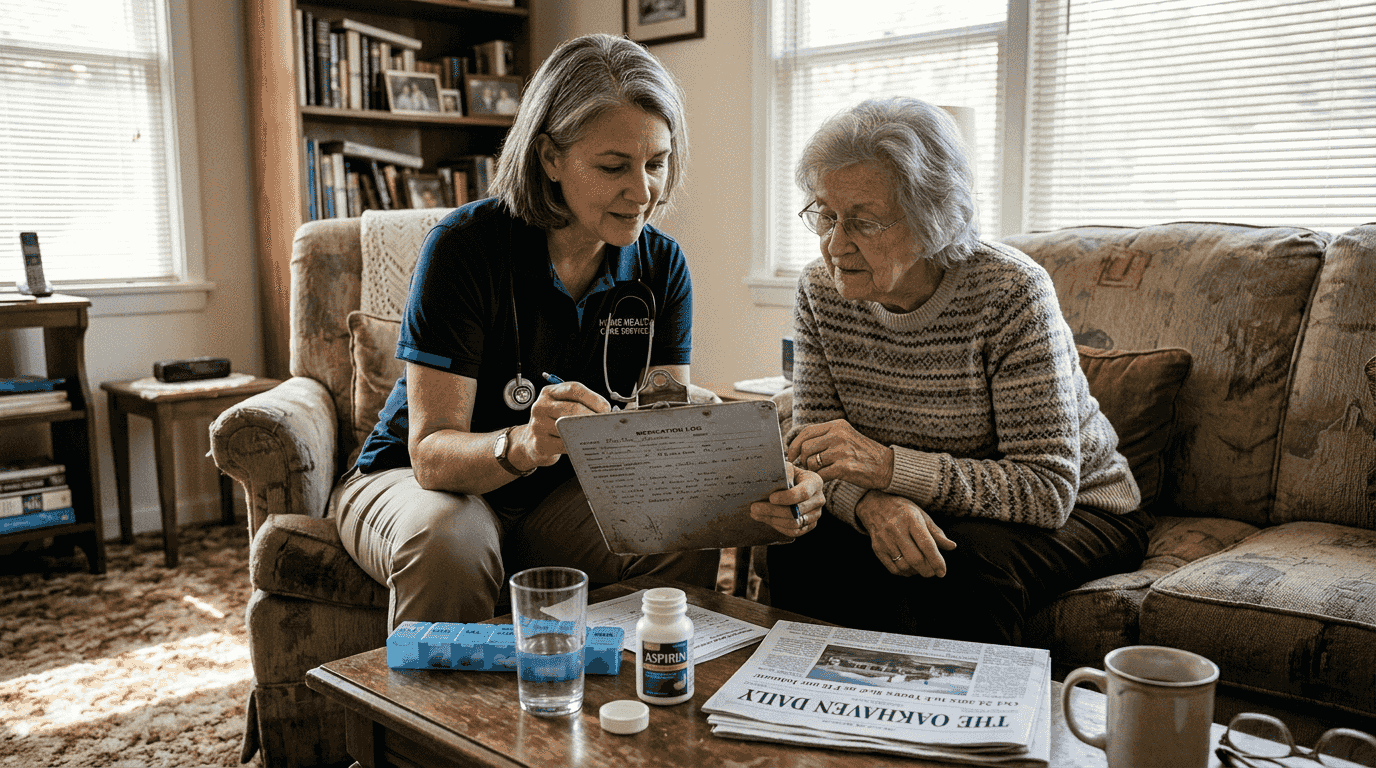
One-on-one coaching by nurses or health educators provides personalized guidance that addresses specific patient concerns and barriers. This high-touch approach builds trust and allows educators to tailor information in real time based on patient reactions and questions. While resource-intensive, it produces exceptional results for complex cases or high-risk patients.
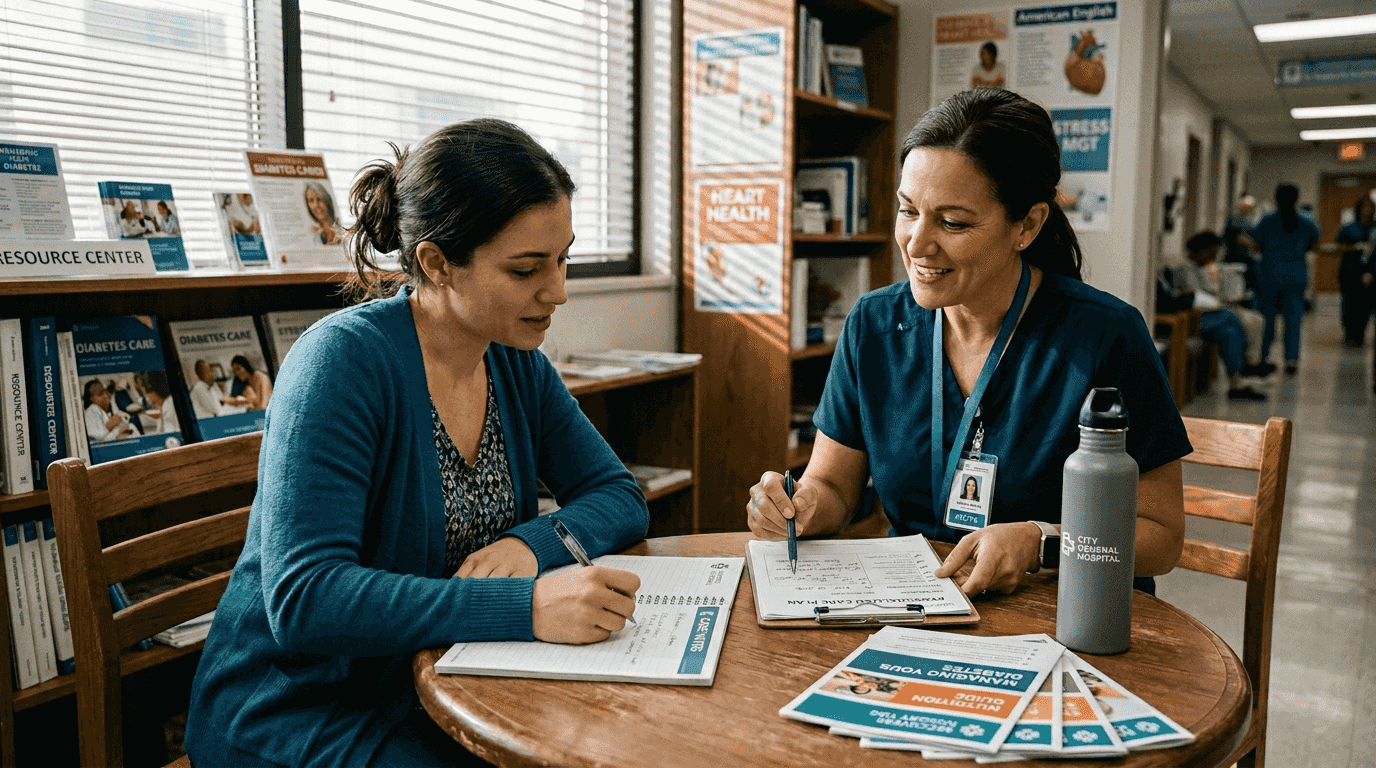
Printed materials optimized for health literacy remain valuable, especially for patients who prefer tangible resources or lack digital access. Modern printed materials use infographics, large fonts, and clear layouts that make information digestible. They serve as reference tools patients can review at home.
Group classes and peer support programs leverage social learning. Patients benefit from hearing others’ experiences and questions, reducing feelings of isolation while reinforcing key concepts through repetition and discussion. These programs work particularly well for chronic disease management.
Remote monitoring combined with education creates a feedback loop. Devices track metrics like blood pressure or glucose levels, and the system delivers targeted education based on readings. This just-in-time approach helps patients understand the immediate impact of their behaviors.
| Method | Best For | Implementation Complexity |
|---|---|---|
| Digital portals/apps | Tech-comfortable patients, ongoing education | Medium (requires platform setup) |
| One-on-one coaching | High-risk patients, complex conditions | High (staff time intensive) |
| Printed materials | All patients, reference resources | Low (design and distribution) |
| Group classes | Chronic disease management, peer support | Medium (scheduling and facilitation) |
| Remote monitoring | Chronic conditions requiring tracking | High (device integration and data management) |
Pro Tip: Combine methods for maximum impact. Use digital tools for routine education and reserve one-on-one coaching for patients struggling with adherence or facing complex situations.
Comparing patient education approaches: benefits, challenges, and outcomes
Understanding the trade-offs between education approaches helps administrators allocate resources effectively and match strategies to patient populations.
Personalized education consistently outperforms generic materials in clinical studies. Personalized education reduces readmissions more effectively than standard pamphlets because it addresses individual barriers, learning styles, and health literacy levels. However, personalization requires more staff time, sophisticated technology, or both, making it more expensive to scale.
Resource investment varies dramatically. Digital platforms require upfront technology costs but scale efficiently once implemented. One-on-one coaching delivers excellent outcomes but demands significant staff hours per patient. Printed materials cost less initially but lack the engagement and adaptability of interactive methods.
Patient preference and engagement levels differ across demographics. Younger patients often prefer app-based education with push notifications, while older adults may favor printed materials or in-person discussions. Engagement drops when the delivery method doesn’t match patient comfort and access.
Impact on chronic disease management shows clear patterns. Interactive, ongoing education through digital tools or regular coaching sessions produces better glycemic control in diabetes patients and improved blood pressure management in hypertension cases compared to one-time educational interventions. Continuous reinforcement matters more than initial intensity.
Accessibility considerations for diverse patient populations can’t be ignored. Language barriers, limited health literacy, disabilities, and lack of internet access all affect which methods reach which patients. A comprehensive strategy addresses these gaps rather than defaulting to the easiest-to-implement option.
Key comparison factors:
- Personalized vs. generic: Higher initial cost but better outcomes and fewer readmissions
- Digital vs. traditional: Scalability and real-time updates vs. universal accessibility
- Group vs. individual: Peer support and efficiency vs. tailored attention
- One-time vs. ongoing: Lower resource use vs. sustained behavior change
| Approach | Readmission Impact | Patient Satisfaction | Scalability | Cost per Patient |
|---|---|---|---|---|
| Personalized digital | High reduction | High | Excellent | Medium |
| One-on-one coaching | Very high reduction | Very high | Limited | High |
| Generic printed | Moderate reduction | Moderate | Excellent | Low |
| Group classes | Moderate to high reduction | High | Good | Low to medium |
Deciding and implementing patient education strategies for your healthcare setting
Successful implementation begins with assessing your patient demographics and needs. Analyze your population’s age distribution, literacy levels, language preferences, technology access, and prevalent conditions. This data reveals which education methods will reach the most patients effectively.
Training staff on education delivery techniques is essential. Clinical expertise doesn’t automatically translate to teaching ability. Staff need skills in plain language communication, cultural competence, and techniques like teach-back and motivational interviewing. Regular training sessions and role-playing exercises build these capabilities.
Leveraging technology platforms for education delivery requires thoughtful integration. Choose systems that connect with your electronic health records, allowing automated delivery of condition-specific education based on diagnoses and care plans. Secure healthcare communication solutions ensure patient data protection while enabling seamless information exchange.
Monitoring outcomes and adapting education accordingly creates continuous improvement. Track metrics like readmission rates, patient-reported comprehension scores, medication adherence, and patient satisfaction. When outcomes fall short, investigate whether the education method, content, timing, or delivery needs adjustment.
Engaging multidisciplinary teams for coordination ensures consistent messaging across touchpoints. Physicians, nurses, pharmacists, social workers, and care coordinators should all reinforce the same key messages using compatible education materials. Regular team huddles keep everyone aligned.
Pro Tip: Start with a pilot program targeting one high-volume condition or patient segment. Test your chosen education strategy, measure results rigorously, and refine your approach before scaling across the organization.
Implementation roadmap:
- Conduct patient needs assessment and gap analysis
- Select 2-3 complementary education methods matching your population
- Develop or source high-quality education content
- Train staff on delivery techniques and tools
- Integrate technology platforms with existing workflows
- Launch pilot program with defined success metrics
- Collect feedback from patients and staff
- Analyze outcome data and identify improvement areas
- Refine approach based on findings
- Scale successful strategies organization-wide
- Establish ongoing monitoring and continuous improvement processes
Enhance patient care coordination with VectorCare solutions
Effective patient education extends beyond the clinical encounter to encompass the entire care journey, including logistics that significantly impact outcomes. VectorCare’s integrated platform streamlines patient logistics, ensuring education efforts translate into action through coordinated transportation, home health services, and equipment delivery.
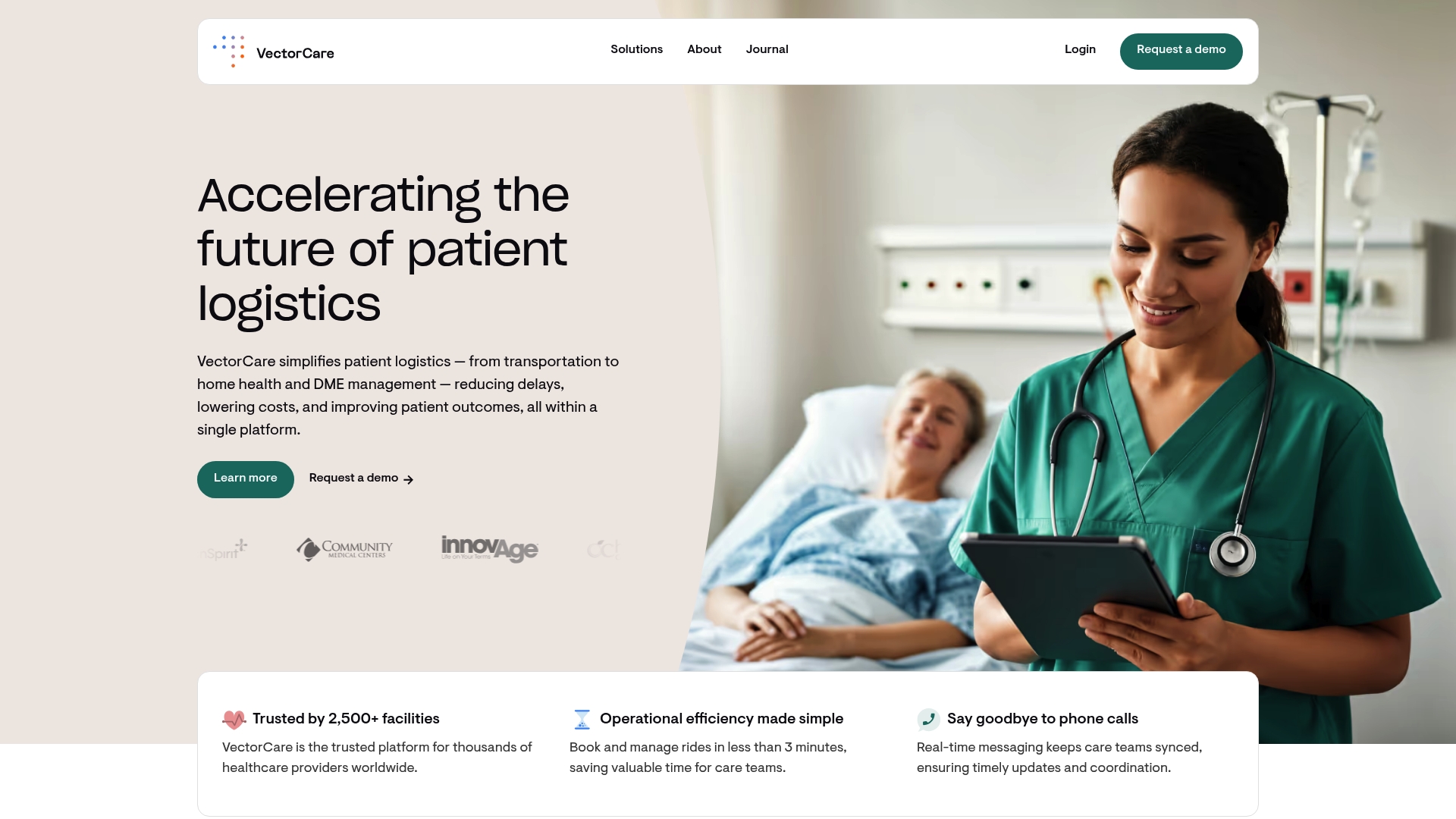
The VectorCare patient logistics platform connects education with execution. When discharge planners educate patients about follow-up appointments and home care, VectorCare’s automated scheduling ensures transportation arrangements align with those plans. Real-time communication tools keep patients informed about ride times, reducing missed appointments that undermine educational efforts. Understanding non emergency transportation options helps administrators design comprehensive care coordination strategies. By improving patient transport satisfaction scores, healthcare organizations demonstrate that education paired with reliable logistics produces better adherence and outcomes.
Frequently asked questions
What are the most effective patient education techniques?
The most effective techniques combine personalization with interactive engagement. Teach-back methods, where patients explain concepts in their own words, ensure comprehension rather than passive listening. Digital tools that deliver tailored content based on individual health conditions and learning preferences consistently outperform generic materials. Using multiple formats, such as videos, infographics, and written summaries, accommodates different learning styles and reinforces key messages through repetition.
How can technology support patient education efforts?
Digital platforms enable personalized, timely education delivery at scale. Patient portals provide 24/7 access to condition-specific resources, medication information, and instructional videos. Mobile apps send reminders and educational nudges when patients need them most. Remote monitoring devices paired with technology empowering healthcare professionals create feedback loops where education responds to real-time health data, making abstract concepts concrete and immediately relevant.
What challenges do healthcare providers face when implementing patient education?
Time constraints top the list, as busy clinicians struggle to fit comprehensive education into short appointments. Resource limitations affect the ability to develop high-quality materials or invest in technology platforms. Patient literacy gaps and language barriers require customized approaches that demand additional effort. Staff training remains inconsistent, with many clinicians lacking formal education in teaching techniques. Implementing secure healthcare communication solutions addresses some barriers but requires upfront investment and workflow changes.
How do you measure the effectiveness of patient education programs?
Effectiveness measurement combines process and outcome metrics. Process metrics include patient comprehension scores from teach-back assessments, education material completion rates, and patient satisfaction surveys. Outcome metrics track readmission rates, emergency department visits, medication adherence, disease-specific clinical indicators like HbA1c levels, and patient-reported confidence in self-management. Comparing these metrics before and after education interventions, while controlling for other variables, reveals true impact. Regular audits ensure education quality remains high and identify areas needing improvement.
Recommended
- Improving Patient Outcomes: Strategies for Healthcare Leaders 2025
- Improving Patient Communication: 2025 Strategies for Healthcare Teams
- How to Improve Patient Outcomes with Effective Strategies
- How Can Hospitals Improve Patient Satisfaction in 2025
- PCI HIPAA Compliance – Avoiding Costly Mistakes in 2026