Non-Emergency Gurney Transportation: Improving Patient Flow

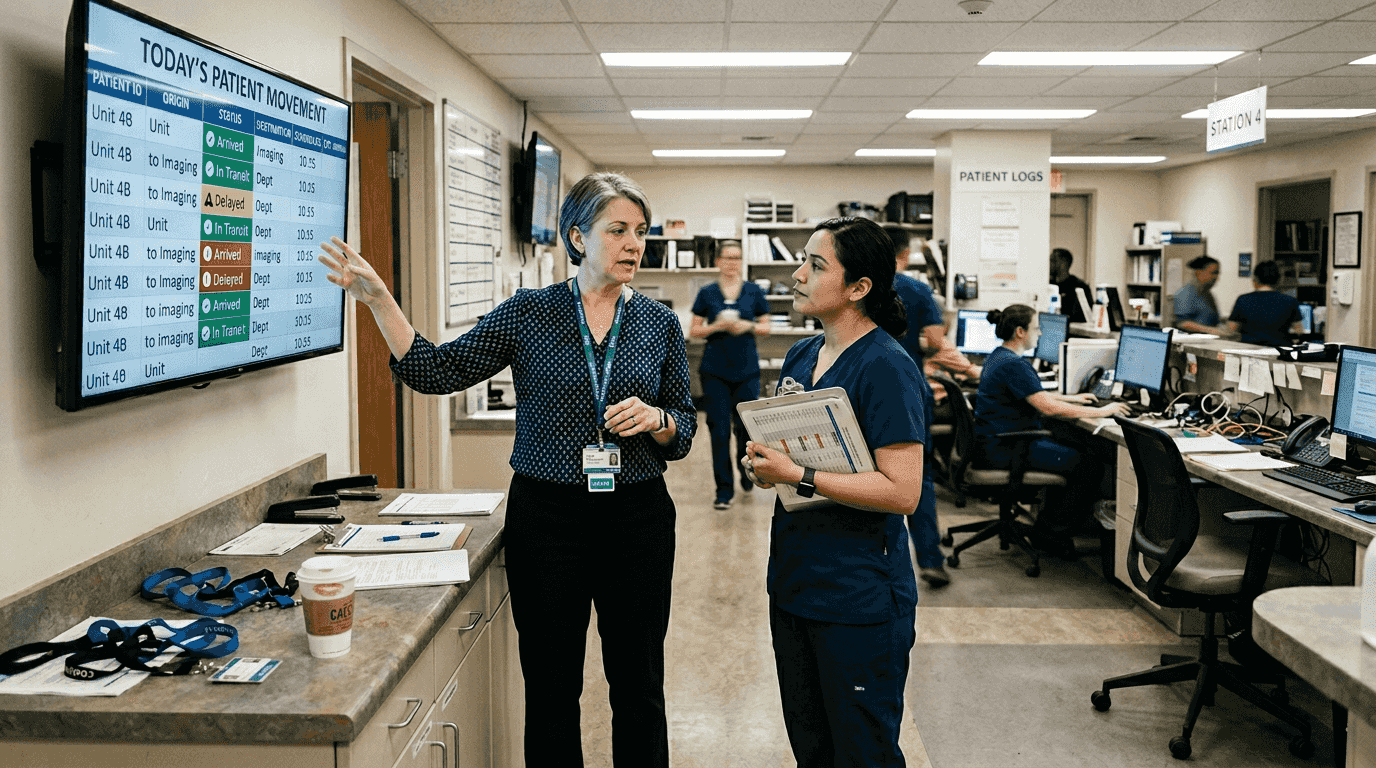
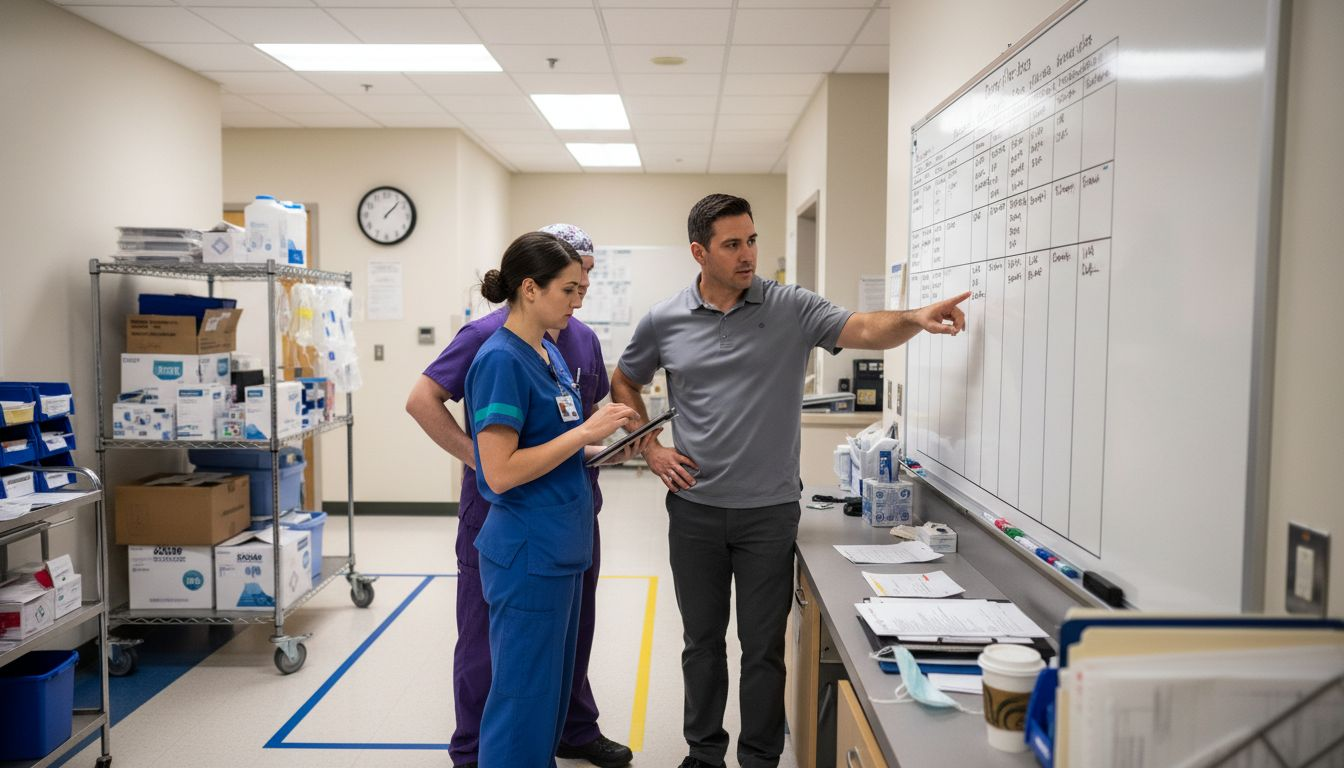
Fewer than half of American medical transport managers feel fully confident in their current patient gurney logistics. As demand for non-emergency transportation rises across the United States, operational efficiency and cost control grow more challenging every year. Understanding the exact standards and requirements for non-emergency gurney transportation empowers medical transport teams to deliver safe, efficient patient transfers while protecting their bottom line.
Table of Contents
- Defining Non-Emergency Gurney Transportation
- Major Patient Groups and Use Cases
- Vehicle and Equipment Standards Explained
- Staff Qualifications and Safety Protocols
- Cost Structures and Compliance Requirements
Key Takeaways
| Point | Details |
|---|---|
| Non-Emergency Gurney Transportation Defined | Specialized transport for patients needing medical care without emergency intervention, emphasizing safety and comfort. |
| Major Patient Groups Served | Key demographics include seniors, mental health patients, individuals with disabilities, and low-income populations requiring reliable medical transport. |
| Equipment and Vehicle Standards | Strict safety, hygiene, and comfort standards ensure secure and efficient patient transport in various medical scenarios. |
| Staff Training and Compliance | Comprehensive training and adherence to regulations are crucial for maintaining high-quality non-emergency gurney transportation services. |
Defining Non-Emergency Gurney Transportation
Non-emergency gurney transportation involves the specialized movement of patients who require medical care but do not need immediate emergency intervention. These medical transport devices are specifically designed to safely and comfortably transport patients within healthcare facilities or between medical institutions with maximum efficiency and minimal patient discomfort.
A gurney is more than just a simple transport mechanism. It represents a critical piece of medical equipment engineered with multiple safety features, including adjustable height frames, secure side rails, and flexible wheeled bases that enable smooth navigation through complex hospital environments. These specialized stretchers are distinct from traditional stretchers due to their advanced design focused on patient stability and caregiver maneuverability.
Key characteristics of non-emergency gurney transportation include precise mobility, patient comfort, and adaptability to various medical scenarios. These transport devices typically feature collapsible legs, ergonomic backrests, and integrated safety mechanisms that allow healthcare professionals to move patients with minimal physical strain while maintaining optimal patient positioning. The design prioritizes patient safety, ensuring individuals with limited mobility can be transported smoothly and securely across different medical settings.
Professional Tip: When selecting a gurney for non-emergency transportation, prioritize models with adjustable height and multiple safety lock positions to accommodate diverse patient needs and ensure maximum operational flexibility.
Major Patient Groups and Use Cases
Medicaid beneficiaries represent a critical population who extensively rely on non-emergency gurney transportation services. These transportation solutions are essential for individuals with limited mobility, chronic health conditions, and restricted access to personal transportation. The service enables patients to maintain critical medical appointments, support ongoing treatment plans, and ensure consistent healthcare engagement without the financial burden of private transportation.
Several distinct patient groups benefit significantly from non-emergency gurney transportation. Mental health patients, individuals with disabilities, seniors, and low-income populations represent the primary user demographics. These groups often face substantial transportation challenges that can interrupt necessary medical care. Non-emergency gurney transportation provides a structured, safe, and reliable mechanism to access routine medical services such as dialysis treatments, physical therapy sessions, specialist consultations, and behavioral health appointments.
The use cases for non-emergency gurney transportation span multiple medical scenarios. Patients recovering from surgeries, individuals undergoing consistent medical treatments, elderly patients with limited mobility, and those managing chronic conditions represent key user groups. The transportation service ensures these patients can safely travel between medical facilities, rehabilitation centers, and healthcare providers without experiencing physical strain or risking their health during transit.
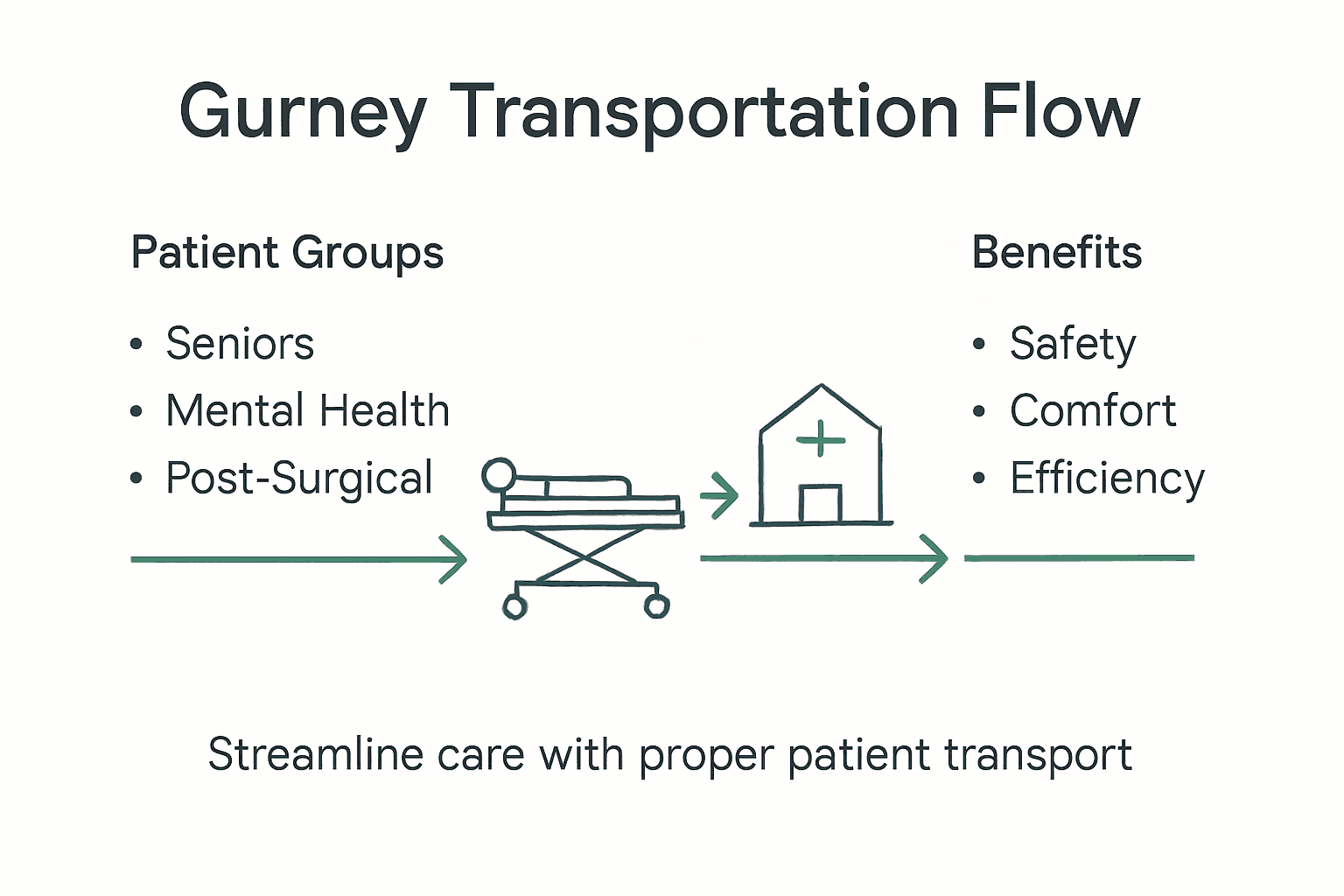
Here’s a summary of primary patient groups and the transportation benefits they receive:
| Patient Group | Unique Needs | Transportation Impact |
|---|---|---|
| Seniors | Reduced mobility, chronic issues | Ensures access to routine care |
| Mental health patients | Sensitivity, care coordination | Enables secure medical transfers |
| Individuals with disabilities | Limited movement, custom support | Reliable access to medical services |
| Low-income populations | Financial barriers, health disparities | Facilitates cost-effective appointments |
Professional Tip: Develop comprehensive patient profiles and medical requirement assessments to customize non-emergency gurney transportation protocols, ensuring each patient receives personalized and appropriate transportation support.
Vehicle and Equipment Standards Explained
Comprehensive safety standards govern non-emergency gurney transportation vehicles and equipment, establishing critical protocols to protect patient welfare during medical transit. These stringent requirements address multiple dimensions of patient safety, including vehicle design, equipment functionality, and transfer mechanisms. The primary objective is to minimize patient risk while ensuring comfortable and secure transportation across various medical scenarios.
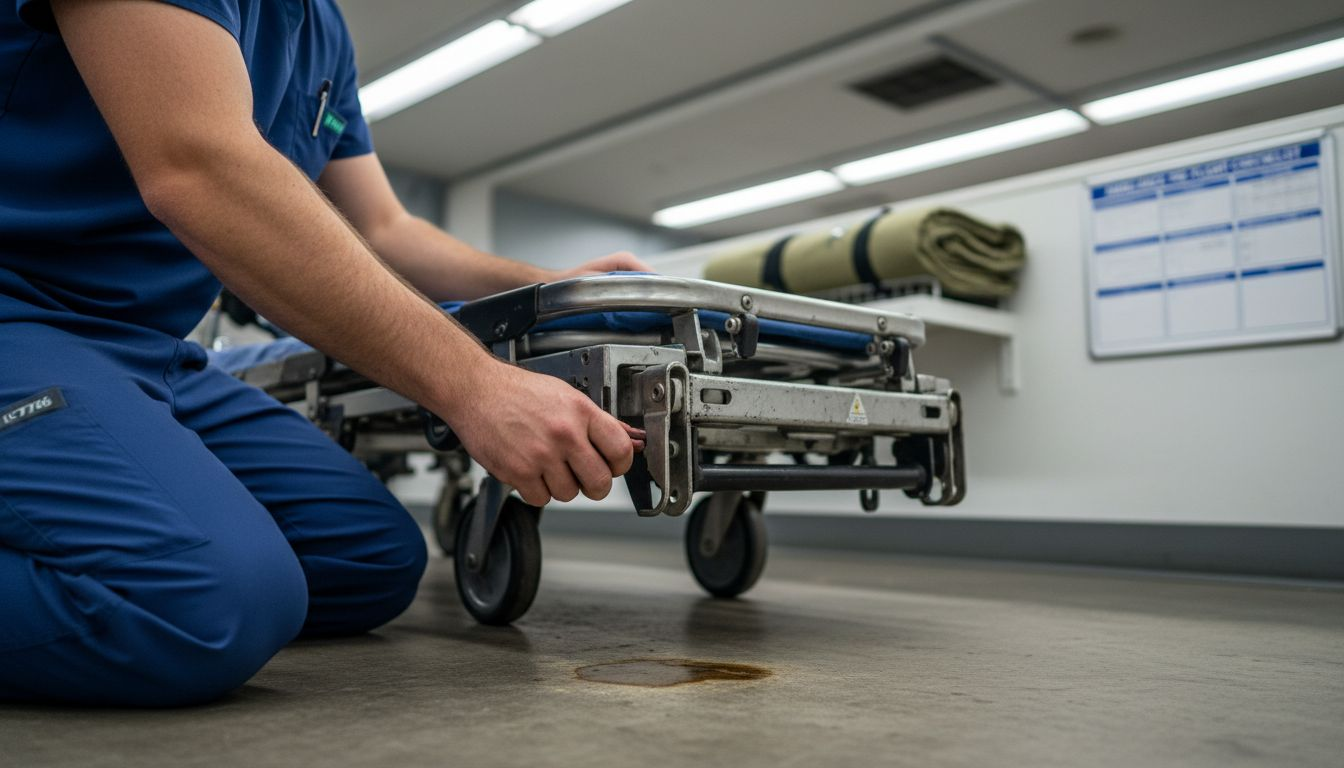
Key equipment standards focus on several essential components. Gurneys must feature secure locking mechanisms that prevent unintended movement during transport, with padded surfaces designed to distribute patient weight evenly and reduce potential pressure points. Adjustable support systems allow healthcare professionals to optimize patient positioning, accommodating diverse medical conditions and individual patient needs. Vehicle interiors must be meticulously engineered to facilitate safe patient entry and exit, with wide doorways, low-profile loading areas, and robust suspension systems that minimize patient discomfort during transit.
Beyond physical equipment specifications, non-emergency gurney transportation standards mandate strict hygiene and maintenance protocols. Vehicles require regular sanitization, with surfaces constructed from materials that can be easily cleaned and disinfected. Electronic monitoring systems are increasingly integrated to track vehicle conditions, patient vital signs, and transportation parameters. These technological enhancements provide real-time data to medical teams, ensuring continuous patient safety and enabling rapid response to any potential medical complications during transit.
Key differences between vehicle requirements and equipment standards for non-emergency gurney transport:
| Aspect | Vehicle Requirement | Equipment Standard |
|---|---|---|
| Safety Feature | Wide doors, robust suspension | Locking mechanisms, padded surfaces |
| Patient Comfort | Low loading areas, smooth ride | Adjustable support systems |
| Hygiene Protocol | Regular sanitization, easy-to-clean interior | Disinfectable materials, maintenance checks |
| Technology Integration | Monitoring systems for trips | Electronic vitals tracking |
Professional Tip: Implement a comprehensive equipment inspection checklist that covers mechanical functionality, sanitization standards, and patient comfort features to maintain consistently high-quality non-emergency gurney transportation services.
Staff Qualifications and Safety Protocols
Comprehensive training standards are essential for non-emergency gurney transportation professionals, establishing rigorous criteria for staff qualifications and safety protocols. Healthcare organizations must implement multilayered training programs that equip transportation personnel with advanced skills in patient handling, medical safety, and emergency response techniques. These qualifications go beyond basic medical transportation requirements, demanding a sophisticated understanding of patient care, risk management, and interpersonal communication.
The core competencies for non-emergency gurney transportation staff include specialized certification in patient transfer techniques, infection control protocols, and emergency medical response. Professionals must demonstrate expertise in safely maneuvering patients with diverse medical conditions, understanding ergonomic principles that minimize injury risks for both patients and transportation personnel. Critical skills involve proper patient positioning, understanding medical equipment functionality, and maintaining patient dignity throughout the transportation process. Advanced training programs typically incorporate hands-on simulation exercises, theoretical medical knowledge assessments, and continuous professional development requirements.
Safety protocols extend beyond individual staff qualifications to comprehensive organizational standards. Transportation teams must adhere to strict guidelines covering patient privacy, medical confidentiality, equipment sanitization, and emergency intervention procedures. Ongoing performance evaluations, periodic recertification processes, and comprehensive background checks ensure that only the most qualified professionals participate in patient transportation services. Technology integration and digital tracking systems further enhance safety standards, providing real-time monitoring and documentation of transportation procedures.
Professional Tip: Develop a robust, multi-stage credentialing process that combines formal medical training, practical skill assessments, and continuous professional development to maintain the highest standards of non-emergency gurney transportation services.
Cost Structures and Compliance Requirements
Medicaid regulations governing non-emergency gurney transportation establish complex cost structures that vary significantly across different states and healthcare jurisdictions. These frameworks are designed to balance fiscal responsibility with ensuring comprehensive patient transportation services. The funding mechanisms typically involve federal matching funds, state-administered managed care plans, and multiple reimbursement models including fee-for-service and broker-based systems.
Compliance requirements represent a multifaceted landscape of regulatory oversight. Healthcare providers must meticulously document medical necessity, maintain rigorous provider credentialing standards, and adhere to strict documentation protocols. Federal and state-level regulations mandate comprehensive verification processes to prevent fraudulent claims and ensure cost-effective service delivery. These compliance frameworks require detailed tracking of transportation services, patient eligibility verification, and continuous quality assurance monitoring.
The financial architecture of non-emergency gurney transportation involves intricate payment methodologies that balance patient needs with fiscal constraints. Reimbursement rates are typically determined by factors including patient distance, medical complexity, vehicle type, and specific service requirements. State Medicaid programs play a crucial role in establishing these rates, with federal guidelines providing an overarching framework that ensures consistency while allowing for regional variations. Advanced tracking systems and digital documentation have become essential in managing these complex financial and regulatory landscapes.
Professional Tip: Develop a comprehensive compliance management system that integrates real-time documentation, automated eligibility verification, and transparent reporting to streamline non-emergency gurney transportation financial processes.
Elevate Non-Emergency Gurney Transportation with Streamlined Patient Flow Solutions
Efficient non-emergency gurney transportation is essential for improving patient flow and ensuring safety, comfort, and compliance. The challenges of managing mobility limitations, scheduling complexities, and strict regulatory requirements demand a solution that unites staff qualifications, equipment standards, and cost structures in one seamless platform. VectorCare’s integrated digital system tackles these pain points head-on by offering AI-driven dispatching, scheduling optimization, and real-time updates that reduce delays and reduce operational costs.
Experience how VectorCare transforms non-emergency medical transportation into a coordinated, efficient process tailored to your healthcare setting. With tools designed to support providers, payers, and emergency services, our platform empowers you to deliver better patient outcomes while managing logistics with ease. Discover the difference at VectorCare and how our platform can drive meaningful improvements in patient transport workflows.
Improve patient logistics today for safer, quicker, and more cost-effective gurney transportation.
Ready to streamline your non-emergency gurney transportation and optimize patient flow? Visit VectorCare now to explore how our innovative solutions can enhance your healthcare operations and patient care coordination. Learn more about our platform and start transforming your transportation logistics immediately.
Frequently Asked Questions
What is non-emergency gurney transportation?
Non-emergency gurney transportation is a specialized service for moving patients who require medical assistance but do not need immediate emergency care. It ensures safe and comfortable transfer within healthcare facilities or between medical institutions.
Who benefits from non-emergency gurney transportation services?
Key beneficiaries include seniors, mental health patients, individuals with disabilities, and low-income populations. This service helps them maintain critical medical appointments and access ongoing treatment without the burden of personal transportation.
What safety standards are in place for non-emergency gurney transportation?
Comprehensive safety standards govern vehicle design and equipment functionality for non-emergency gurney transportation, focusing on patient safety, hygiene protocols, and technological integration for monitoring patient conditions and transport parameters.
What qualifications do staff need for non-emergency gurney transportation?
Staff involved in non-emergency gurney transportation must undergo extensive training in patient handling, emergency medical response, and adherence to safety protocols. Certification in patient transfer techniques and infection control is crucial to ensure patient safety and care during transportation.