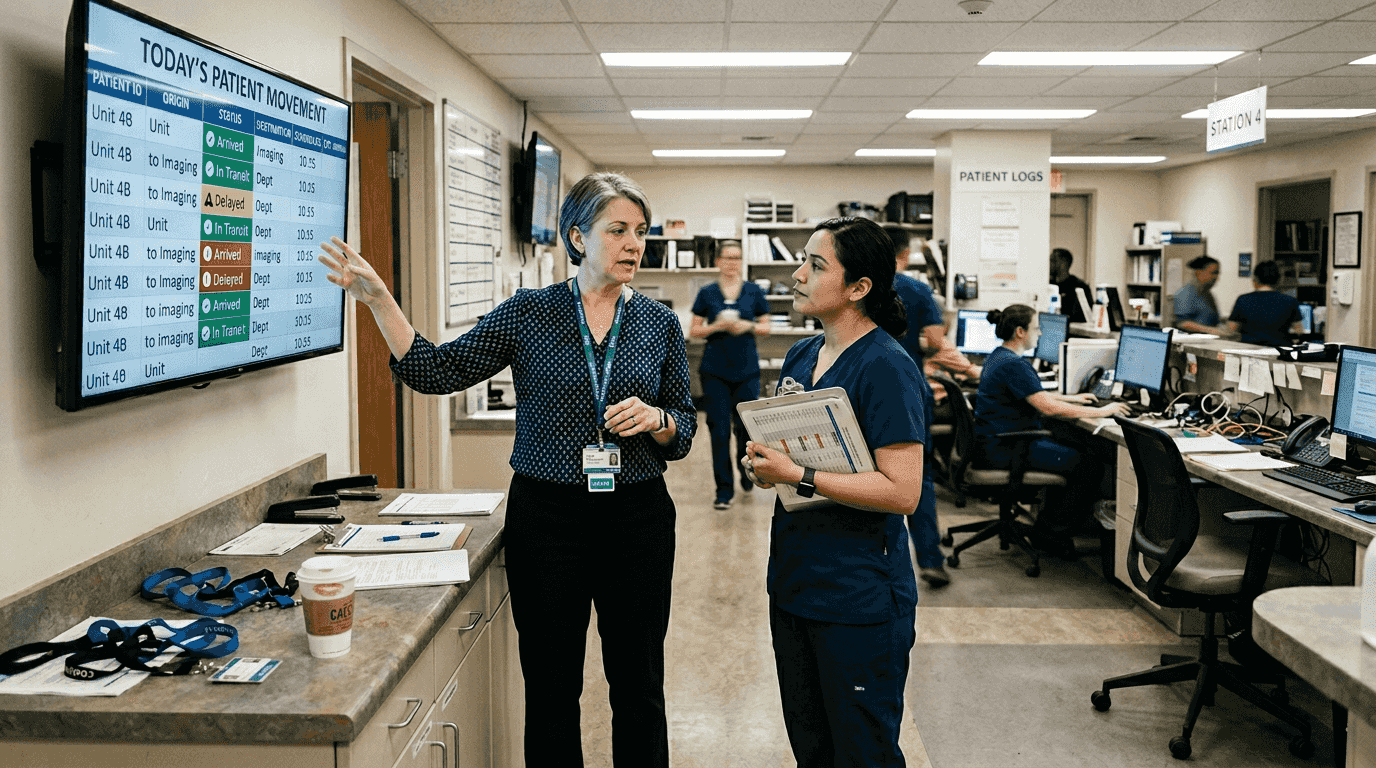
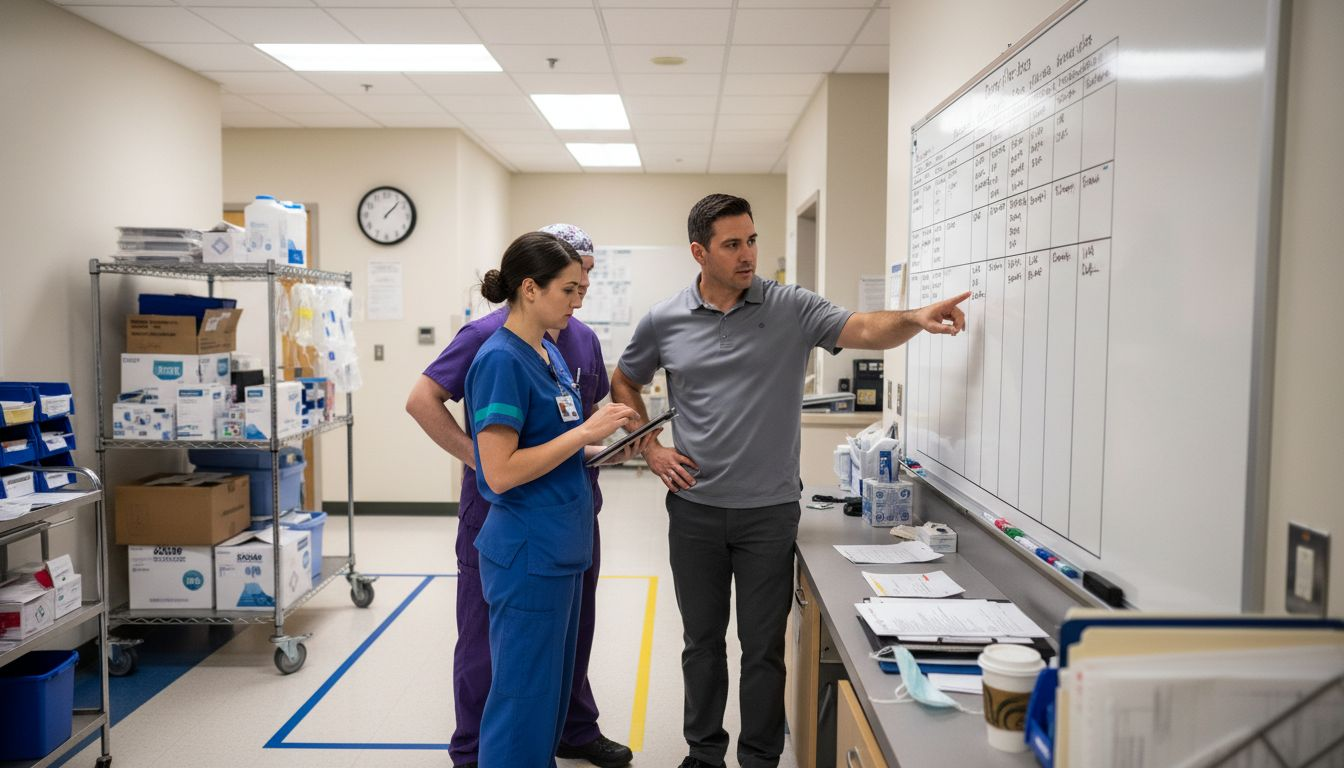
Integrated Care Management: Transforming Hospital Logistics

Most American hospitals spend over one third of their budget handling inefficiencies caused by fragmented care delivery. For healthcare administrators, poor care coordination can result in longer patient stays, higher readmission rates, and unnecessary expenses. As integrated care management programs continue to gain attention, understanding their structure and benefits is key for those who want to reduce operational costs while improving both logistics and patient outcomes across the entire hospital system.
Table of Contents
- Defining Integrated Care Management Programs
- Types of Integrated Care Models In Hospitals
- Key Features And Workflow Integration
- Technology’s Role In Care Coordination
- Compliance, Costs, And Best Practices
- Improving Outcomes: Real-World Applications
Key Takeaways
| Point | Details |
|---|---|
| Integrated Care Management Programs | These programs enhance patient outcomes through coordinated treatment from interdisciplinary teams to address comprehensive health needs. |
| Innovative Care Models | Integrated Practice Units and Hospital-at-Home models exemplify effective strategies for improved patient care and reduced healthcare costs. |
| Role of Technology | Advanced technologies enable real-time data sharing and communication, significantly enhancing coordination among healthcare providers. |
| Focus on Compliance and Costs | Success in integrated care requires robust compliance frameworks and a shift towards value-based care models to optimize resource allocation and patient outcomes. |
Defining Integrated Care Management Programs
Integrated Care Management Programs represent a sophisticated healthcare approach designed to provide comprehensive, coordinated patient treatment across multiple disciplines and service providers. Collaborative care models emphasize holistic patient wellness by creating seamless communication and treatment strategies between various healthcare professionals.
At its core, an Integrated Care Management Program coordinates multiple medical specialties to address patient needs comprehensively. This approach involves creating interdisciplinary teams that include primary care physicians, specialists, behavioral health professionals, and care managers who work collaboratively to develop personalized treatment plans. The goal is to improve patient outcomes by breaking down traditional medical silos and ensuring each aspect of a patient’s health receives coordinated attention.
Key components of effective Integrated Care Management Programs typically include systematic patient tracking, evidence-based treatment protocols, measurement-based clinical assessments, and robust communication frameworks. Multidisciplinary health teams utilize advanced data sharing technologies to monitor patient progress, adjust treatment strategies in real time, and ensure comprehensive care delivery across different medical domains.
Pro tip: Implement a centralized patient registry system that allows real-time tracking and communication between different healthcare providers to enhance care coordination and treatment effectiveness.
Types of Integrated Care Models in Hospitals
Hospitals have developed several innovative integrated care models to address complex patient needs and improve overall healthcare delivery. The Collaborative Care Model stands out as a particularly effective approach, specifically designed to address behavioral health conditions within medical settings by creating interdisciplinary treatment teams.

One prominent model is the Integrated Practice Unit (IPU), which assembles multidisciplinary teams to provide comprehensive care for specific patient conditions across the entire treatment cycle. These units bring together clinical professionals, support staff, and specialized resources to create a holistic approach to patient care. By integrating medical expertise from various disciplines, IPUs can address comorbidities more effectively and develop more nuanced treatment strategies that consider the full spectrum of a patient’s health needs.
Another emerging model is the Hospital-at-Home Care Model, which transforms traditional hospital-based care by providing acute-level treatments directly in patients’ homes. This innovative approach reduces hospital overcrowding, minimizes infection risks, and allows patients to receive specialized medical care in a more comfortable and familiar environment. The model leverages advanced technology and remote monitoring systems to ensure patients receive high-quality, coordinated care outside traditional hospital settings.
Here’s a comparison of two leading integrated care models:
| Model | Setting | Key Strength | Patient Impact |
|---|---|---|---|
| Integrated Practice Unit | Hospital-based | Multidisciplinary expertise for cases | Better chronic disease control |
| Hospital-at-Home Care | Home environment | Reduced infection risk, familiar setting | Shorter recovery time |
Pro tip: When implementing integrated care models, prioritize creating robust communication protocols and shared electronic health record systems to ensure seamless information exchange between different healthcare professionals.
Key Features and Workflow Integration
Successful integrated care management relies on sophisticated workflow integration strategies that connect multiple healthcare disciplines and technological systems. Digital information ecosystems have become critical in enabling seamless communication and data exchange across complex medical environments, allowing healthcare providers to coordinate patient care more effectively.

The key features of effective workflow integration typically involve creating comprehensive mechanisms for interdisciplinary collaboration. This includes developing robust communication protocols, establishing shared electronic health record systems, and implementing standardized processes that enable different medical teams to work together seamlessly. Integrated Practice Units require carefully mapped patient care cycles that align resources, personnel, and technological infrastructure to optimize treatment outcomes and patient experiences.
Technological integration plays a crucial role in modern care coordination, with advanced platforms enabling real-time information sharing, automated documentation, and intelligent routing of patient data. By leveraging emerging AI technologies and interoperable systems, healthcare organizations can reduce communication gaps, minimize administrative overhead, and create more responsive, patient-centered care delivery models that adapt quickly to individual patient needs.
Pro tip: Prioritize implementing standardized communication protocols and invest in interoperable electronic health record systems that can facilitate smooth information exchange across different medical departments and specialties.
Technology’s Role in Care Coordination
Technology has become the cornerstone of modern healthcare coordination, dramatically transforming how medical professionals communicate, track, and deliver patient care. Digital technologies enhance care coordination by creating intelligent information ecosystems that enable real-time data sharing, streamlined communication, and more responsive patient management strategies.
Advanced technological solutions now integrate multiple dimensions of healthcare delivery, including patient tracking, resource allocation, and interdisciplinary communication. Mobile platforms and cloud-based systems allow healthcare teams to access comprehensive patient information instantly, reducing communication delays and minimizing potential errors. These technological interventions create transparent, efficient workflows that connect different medical specialists, ensuring that each patient receives coordinated, holistic care across various treatment stages.
Artificial Intelligence and machine learning are emerging as powerful tools in care coordination, offering predictive analytics that can anticipate patient needs, optimize treatment pathways, and identify potential complications before they escalate. By analyzing complex medical data across different systems, these technologies can generate insights that help healthcare providers make more informed decisions, ultimately improving patient outcomes and reducing overall healthcare delivery costs.
Below is a summary of how technology enhances modern care coordination:
| Area Improved | Technology Used | Resulting Benefit |
|---|---|---|
| Data Sharing | Interoperable EHRs | Fewer care delays, accurate records |
| Communication | Mobile/cloud platforms | Instant updates among teams |
| Predictive Analytics | AI and machine learning | Early risk detection, intervention |
| Workflow Automation | Automated documentation | Less administrative burden |
Pro tip: Invest in interoperable digital platforms that support seamless data exchange and provide real-time insights across different medical departments and care teams.
Compliance, Costs, and Best Practices
Integrated care management requires a comprehensive approach to healthcare billing compliance that balances regulatory requirements with operational efficiency. Successful organizations develop robust frameworks that prevent fraud, ensure accurate claims submissions, and maintain strict adherence to federal and state healthcare regulations.
Value-based care models are transforming how healthcare organizations approach cost management and patient outcomes. By implementing Integrated Practice Units and adopting strategic reimbursement models like bundled payments, hospitals can create more transparent, cost-effective care delivery systems. These approaches require careful alignment of clinical workflows, financial strategies, and performance metrics to drive continuous improvement and optimize resource allocation.
Effective compliance programs go beyond simple regulatory checklist management. They require ongoing leadership commitment, comprehensive staff training, regular internal auditing, and proactive risk management strategies. Healthcare organizations must develop multilayered compliance protocols that address complex regulatory landscapes, protect patient rights, and maintain financial integrity while delivering high-quality, patient-centered care.
Pro tip: Develop a comprehensive compliance training program that includes regular updates on regulatory changes and interactive workshops to ensure all staff members understand their role in maintaining healthcare standards.
Improving Outcomes: Real-World Applications
Healthcare organizations are increasingly focusing on transformative strategies that directly impact patient care through interprofessional collaboration to improve clinical outcomes. These innovative approaches go beyond traditional treatment models, creating comprehensive care ecosystems that prioritize patient-centered results and holistic health management.
Outcome measurement has become a critical component of modern healthcare delivery, enabling organizations to track and optimize clinical performance with unprecedented precision. By implementing systematic assessment tools and transparent reporting mechanisms, healthcare providers can identify areas of improvement, develop targeted interventions, and continuously refine care strategies. This data-driven approach allows medical teams to move beyond reactive treatments and embrace proactive, predictive healthcare models.
Real-world applications of integrated care management demonstrate significant improvements across multiple dimensions of patient care. These include reduced medical errors, shorter hospital stays, decreased mortality rates, and higher patient satisfaction scores. Successful implementations typically involve cross-disciplinary training, robust communication protocols, and technology-enabled care coordination that breaks down traditional departmental silos and creates more responsive, adaptive healthcare environments.
Pro tip: Develop a comprehensive outcome tracking system that integrates data from multiple healthcare disciplines and uses advanced analytics to identify trends and opportunities for continuous improvement.
Enhance Integrated Care Management with Smarter Hospital Logistics
The challenges of coordinating multidisciplinary care teams and managing patient logistics are central to advancing integrated care management programs in hospitals. This article highlights the need for seamless communication, real-time data sharing, and workflow integration to improve patient outcomes and reduce operational burdens. Many healthcare providers face frustrations with delayed patient transportation, fragmented home health service coordination, and inefficient durable medical equipment delivery—all crucial pain points that can undermine multidisciplinary teamwork and strategic care pathways.
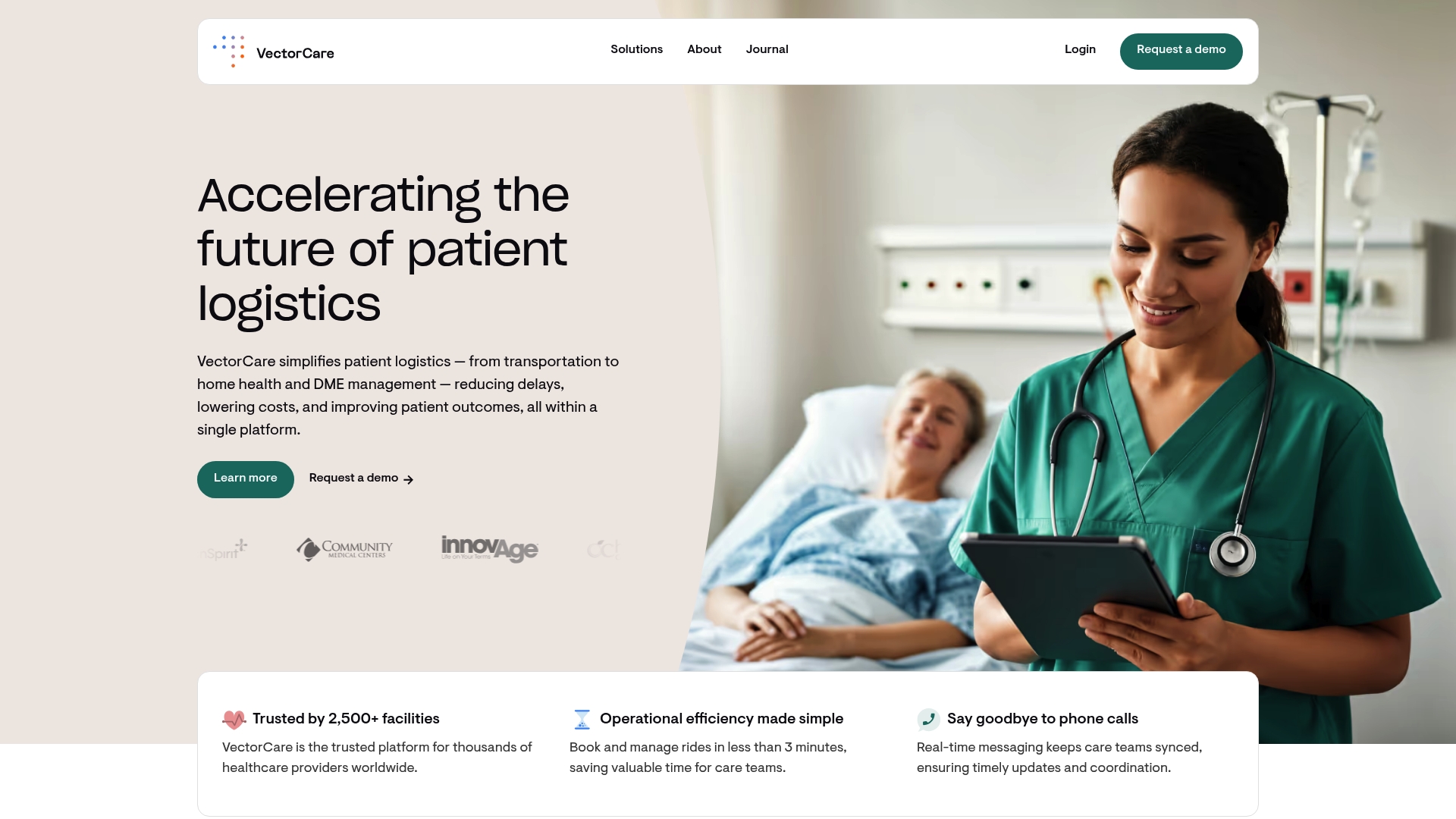
VectorCare offers a robust digital platform designed to directly address these issues by automating scheduling, optimizing vendor management, and enabling secure communication channels that empower hospitais and regional health agencies to work cohesively. By incorporating AI-driven dispatching and no-code workflow customization, VectorCare supports your integrated care management goals with better coordination across care teams and logistical services. This leads to fewer delays, lower costs, and improved patient satisfaction—a perfect complement to models like the Integrated Practice Unit and Hospital-at-Home Care.
Discover how VectorCare can transform your hospital logistics to fully support your integrated care initiatives by visiting VectorCare. Learn more about our solutions that drive efficiency in patient transport and home health services here. Ready to take the next step in modern care coordination? Explore our platform and start reducing administrative burdens while enhancing patient outcomes today.
Frequently Asked Questions
What is an Integrated Care Management Program?
An Integrated Care Management Program is a coordinated healthcare approach that emphasizes seamless communication and treatment strategies among various healthcare professionals to address a patient’s comprehensive needs.
How do Integrated Practice Units (IPUs) function in healthcare?
Integrated Practice Units (IPUs) consist of multidisciplinary teams that provide coordinated care for specific patient conditions throughout the entire treatment cycle, allowing for better management of comorbidities and personalized treatment strategies.
What role does technology play in care coordination?
Technology enhances care coordination by facilitating real-time data sharing, streamlining communication between medical professionals, and allowing automated documentation, ultimately improving patient outcomes and efficiency in healthcare delivery.
How does integrated care management improve patient outcomes?
Integrated care management improves patient outcomes by reducing medical errors, shortening hospital stays, and enhancing patient satisfaction through consistent interdisciplinary collaboration and data-driven approaches to care.