Improving Patient Outcomes Digitally: A Step-by-Step Guide

Hectic days in American hospitals often highlight how patient transportation delays can ripple across departments, affecting care and efficiency. The pressure to improve workflows is rising as digital solutions become more accessible and necessary for optimal outcomes. This guide helps logistics managers uncover hidden gaps, leverage visual mapping, and adopt intelligent automation, offering practical steps for transforming patient transportation with digital solutions and streamlined workflows.
Table of Contents
- Step 1: Assess Current Patient Logistics Processes
- Step 2: Integrate a Comprehensive Digital Platform
- Step 3: Automate Scheduling and Real-Time Communication
- Step 4: Optimize Vendor and Equipment Management
- Step 5: Monitor Data Insights to Continuously Improve Outcomes
Quick Summary
| Key Insight | Explanation |
|---|---|
| 1. Assess Current Patient Logistics Processes | Thoroughly mapping existing workflows reveals inefficiencies and highlights opportunities for improvement in patient care and operational costs. |
| 2. Integrate a Comprehensive Digital Platform | Implementing a digital system enhances real-time tracking, communication, and scheduling, leading to better resource allocation and operational efficiency. |
| 3. Automate Scheduling and Communication | Intelligent automation simplifies scheduling processes, significantly reducing administrative burdens and improving patient experience through proactive notifications. |
| 4. Optimize Vendor and Equipment Management | Establishing clear metrics and communication protocols in vendor management enhances equipment procurement and maintenance while maintaining high-quality patient care. |
| 5. Monitor Data Insights for Improvement | Developing a data monitoring framework allows for real-time analysis and adjustments, leading to enhanced patient outcomes and streamlined care delivery. |
Step 1: Assess Current Patient Logistics Processes
Understanding your existing patient logistics processes is the critical first step toward meaningful digital transformation. By thoroughly mapping out current workflows, healthcare organizations can identify bottlenecks, inefficiencies, and opportunities for strategic improvement.
To comprehensively assess your patient logistics, start by mapping patient flow processes. This involves gathering a cross-functional team of stakeholders from various departments - including administrators, transportation coordinators, clinical staff, and logistics managers. Work together to document each step of patient movement, from initial scheduling through discharge and follow-up care.
Your assessment should focus on several key dimensions:
- Patient scheduling efficiency
- Transportation coordination timelines
- Communication protocols between departments
- Current technological infrastructure
- Handoff procedures between care teams
Utilize visual mapping techniques to create a clear, comprehensive representation of your existing workflows. Document each process step, noting average time spent, potential delays, and communication gaps.
A systematic workflow assessment can reveal hidden inefficiencies that significantly impact patient care and operational costs.
Pay special attention to transition points where patients move between different care settings or departments. These handoff moments often represent the most significant risk for delays or communication breakdowns.
Pro tip: When mapping processes, involve frontline staff who directly experience these workflows daily, as they often have the most nuanced insights into existing challenges.
Step 2: Integrate a Comprehensive Digital Platform
Successfully integrating a comprehensive digital platform represents a transformative opportunity for healthcare organizations to enhance patient care and operational efficiency. Your goal is to implement a seamless, interconnected system that supports every aspect of patient logistics and clinical workflow.
Begin by evaluating health informatics integration strategies that align with your organization’s specific needs. This process involves selecting a platform capable of supporting multiple critical functions:
- Real-time patient tracking
- Comprehensive electronic health record management
- Secure communication channels
- Automated scheduling and dispatch
- Data analytics and reporting capabilities
Key considerations for successful digital platform integration include:
Here’s a summary of the practical benefits when integrating a digital platform in patient logistics:
| Benefit Area | Practical Impact | Example Outcome |
|---|---|---|
| Patient Tracking | Real-time visibility of movement | Faster treatment response |
| Communication | Immediate data access for staff | Reduced delays in care |
| Scheduling | Automated appointments and dispatch | Shorter wait times |
| Analytics | Actionable insights for operations | Improved resource allocation |
- Ensuring compatibility with existing technological infrastructure
- Maintaining robust data security and HIPAA compliance
- Supporting user-friendly interfaces for diverse staff skill levels
- Enabling seamless information exchange between departments
Effective digital platform integration requires a holistic approach that considers technological capabilities, organizational culture, and patient-centered design.
Implementation should prioritize user training and change management to ensure smooth adoption across your healthcare organization.

Pro tip: Conduct pilot testing with a small team before full-scale implementation to identify and address potential integration challenges and user experience concerns.
Step 3: Automate Scheduling and Real-Time Communication
Transforming patient logistics requires implementing intelligent automation that streamlines scheduling and communication processes across your healthcare organization. The goal is to create a responsive, efficient system that reduces administrative burden and enhances patient experience.
Artificial intelligence algorithms can dramatically optimize healthcare scheduling by dynamically managing complex scheduling requirements. Your automation strategy should focus on several key technological capabilities:
- Intelligent appointment matching
- Real-time availability tracking
- Automated patient reminders
- Dynamic resource allocation
- Seamless communication channels
Successful implementation requires careful consideration of both technological and human factors:
- Select scheduling software with robust integration capabilities
- Ensure HIPAA-compliant communication protocols
- Design intuitive user interfaces for staff and patients
- Implement comprehensive staff training programs
Effective scheduling automation transforms administrative tasks from time-consuming manual processes into streamlined, intelligent workflows.
Prioritize solutions that offer flexible communication options and intelligent routing to maximize efficiency and patient satisfaction.
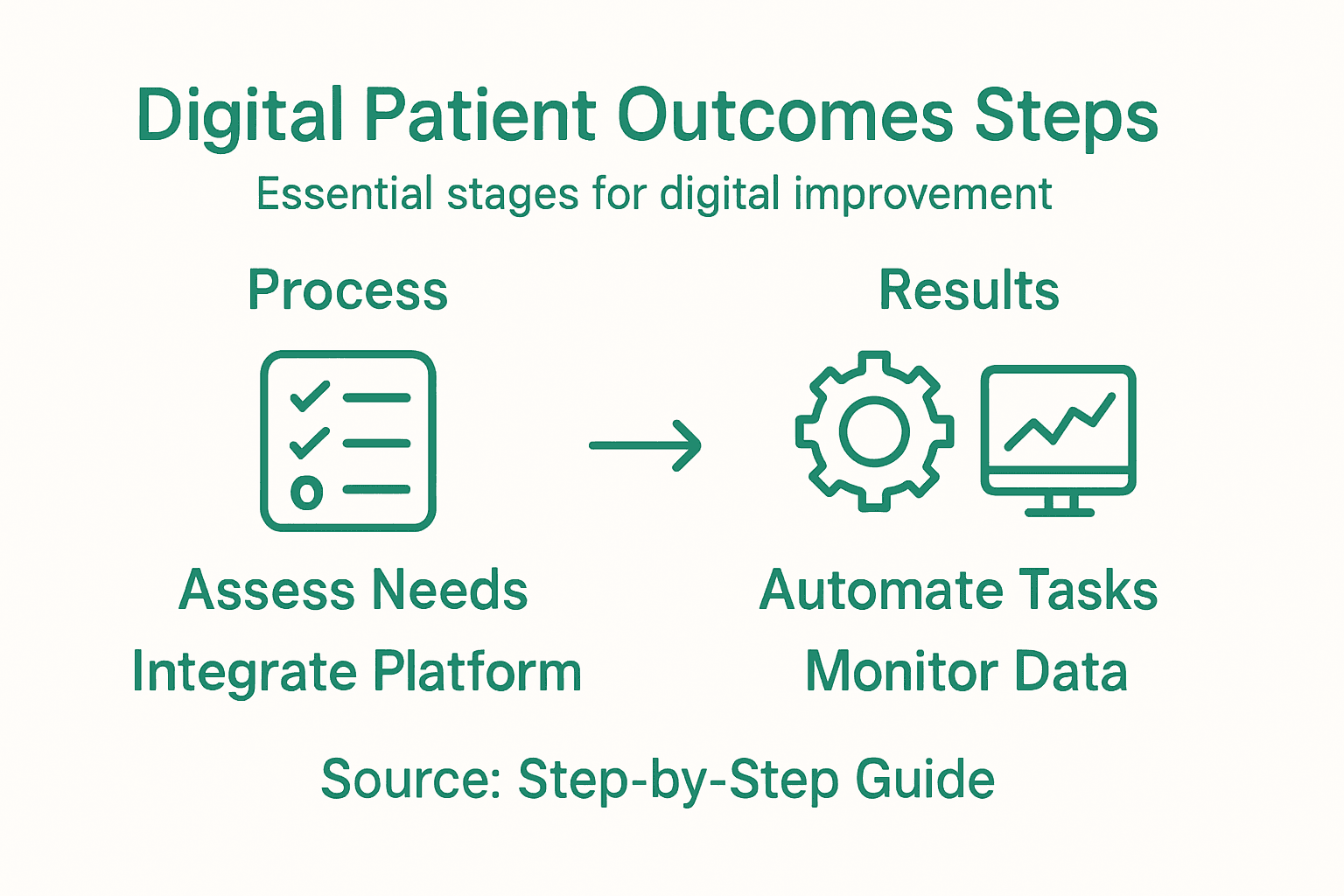
This table highlights key differences between manual and automated scheduling processes:
| Aspect | Manual Scheduling | Automated Scheduling |
|---|---|---|
| Efficiency | Prone to errors and delays | Optimizes workflows, reduces rework |
| Communication | Staff phone calls and emails | Real-time digital notifications |
| Patient Experience | Missed appointments common | Proactive reminders, fewer no-shows |
| Analytics | Limited performance tracking | Continuous monitoring and improvement |
Pro tip: Choose automation tools that provide comprehensive analytics to continuously monitor and improve scheduling performance and communication effectiveness.
Step 4: Optimize Vendor and Equipment Management
Optimizing vendor and equipment management is critical for maintaining high-quality patient care while controlling operational costs. Your strategy should create a comprehensive system that ensures reliable, efficient medical equipment procurement, maintenance, and tracking.
Capital equipment management requires strategic planning across multiple interconnected domains. Develop a robust approach that addresses key operational requirements:
- Centralized equipment tracking
- Predictive maintenance scheduling
- Performance monitoring systems
- Comprehensive vendor performance evaluation
- Streamlined procurement processes
Successful vendor management involves several critical steps:
- Establish clear performance metrics
- Develop transparent communication protocols
- Implement rigorous vendor selection criteria
- Create standardized contract negotiation frameworks
Effective equipment and vendor management transforms operational challenges into strategic opportunities for healthcare delivery.
Focus on building adaptive vendor relationships and proactive equipment strategies that support organizational goals and patient care quality.
Pro tip: Develop a comprehensive vendor scorecard that tracks not just cost, but also reliability, response times, and alignment with your healthcare organization’s mission.
Step 5: Monitor Data Insights to Continuously Improve Outcomes
Transforming patient care requires a systematic approach to collecting, analyzing, and acting on healthcare data insights. Your goal is to create a dynamic feedback loop that continuously refines patient logistics and care delivery strategies.
Harnessing health data can dramatically improve patient outcomes through advanced analytics and strategic interpretation. Develop a comprehensive data monitoring framework that encompasses multiple critical dimensions:
- Real-time performance tracking
- Predictive risk identification
- Patient flow optimization
- Operational efficiency metrics
- Clinical outcome analysis
Effective data insights monitoring involves several key strategic steps:
- Establish clear, measurable key performance indicators
- Implement robust data collection mechanisms
- Utilize advanced analytics platforms
- Create regular reporting and review processes
Continuous data insights transform raw information into actionable strategies that directly enhance patient care and organizational performance.
Focus on actionable intelligence and data-driven decision making to drive meaningful improvements across your healthcare ecosystem.
Pro tip: Develop a cross-functional data review team that includes clinical, operational, and technical experts to ensure comprehensive insights and collaborative interpretation.
Transform Patient Logistics and Boost Outcomes with VectorCare
The article highlights critical challenges in patient logistics such as scheduling inefficiencies, communication delays, and fragmented vendor management that can hinder timely care and increase operational costs. If your healthcare organization seeks to overcome these pain points by integrating automation, real-time updates, and intelligent data insights, VectorCare offers a comprehensive digital platform tailored to precisely those needs. Our system streamlines patient transportation, home health services, and equipment delivery through AI-driven dispatching and user-friendly no-code workflows, helping you reduce delays and improve care coordination.
Discover how VectorCare’s innovative tools can empower your team to manage scheduling optimally, maintain seamless vendor relationships, and unlock actionable data insights that continuously improve patient outcomes. Don’t let outdated logistics hold back your care delivery. Explore VectorCare’s platform today and start transforming your healthcare operations with solutions built to meet the digital demands outlined in the guide to improving patient outcomes. Visit our website now to learn more about how we can support your goals and reduce administrative burdens.
Frequently Asked Questions
How can I assess my current patient logistics processes?
To assess your current patient logistics processes, start by mapping out patient flow from scheduling to discharge. Gather a cross-functional team and document each step to identify bottlenecks and inefficiencies within the next few weeks.
What are the essential features of a comprehensive digital platform for patient logistics?
A comprehensive digital platform should include real-time patient tracking, electronic health record management, and automated scheduling. Focus on selecting a platform that integrates these capabilities to enhance efficiency and streamline workflows.
How can automation improve scheduling in patient logistics?
Automation can optimize scheduling by using intelligent algorithms to manage availability and send patient reminders. Implementing automated scheduling can reduce administrative workload by approximately 30% and enhance the patient experience significantly.
What steps should I take to optimize vendor and equipment management?
To optimize vendor and equipment management, establish clear performance metrics and develop transparent communication protocols. Create a centralized tracking system for your equipment to ensure efficient procurement and maintenance processes over time.
How can I monitor data insights to continuously improve patient outcomes?
You can monitor data insights by establishing key performance indicators and using advanced analytics tools. Set up regular reporting and review processes to refine your strategies continuously and enhance patient care through data-driven decision making.
What role does staff training play in digital transformation?
Staff training is crucial for successful digital transformation as it ensures users can effectively navigate new technologies. Develop a comprehensive training program to facilitate smooth adoption, aiming for full staff competency within the first 30 days of implementation.
Recommended
- Top Benefits of Digital Transformation in Healthcare Services
- Improving Patient Outcomes: Strategies for Healthcare Leaders 2025
- How Can Hospitals Improve Patient Satisfaction in 2025
- Digital Transformation in Healthcare: Trends, Benefits, and 2025 Outlook
- Études de cas | Raisee
- 7-Step Microneedling Checklist for Youthful Skin Results