Improving Patient Experience in Healthcare Today

Over eighty percent of American patients say their experience goes beyond just medical results. Every interaction shapes how people view and trust their care. As healthcare systems evolve, the focus on patient experience, smart technology, and reliable coordination becomes essential. Discover how modern approaches can reshape the American patient journey by improving satisfaction, building trust, and turning everyday visits into more positive outcomes.
Table of Contents
- Defining Patient Experience In Modern Healthcare
- Logistics And Coordination Across Care Journeys
- Technology Solutions Transforming Patient Engagement
- Compliance, Privacy, And Safety Considerations
- Common Barriers And Effective Solutions
Key Takeaways
| Point | Details |
|---|---|
| Patient Experience is Multifaceted | It encompasses interactions, perceptions, and emotional responses, shaping the overall patient journey through healthcare. |
| Effective Care Coordination is Essential | Seamlessly connecting care providers and systems mitigates fragmentation and enhances patient treatment continuity. |
| Technology Enhances Patient Engagement | Advanced tools facilitate personalized experiences and improve communication between patients and healthcare providers. |
| Compliance and Data Security are Paramount | Organizations must prioritize ethical data handling and patient privacy to build trust and ensure safety in healthcare. |
Defining Patient Experience in Modern Healthcare
Patient experience represents far more than a simple transaction between healthcare providers and patients. It encompasses the entire spectrum of interactions, perceptions, and emotional responses that shape a patient’s journey through the healthcare system. Holistic patient interactions have become a critical metric for understanding healthcare quality and organizational performance.
At its core, patient experience integrates multiple dimensions beyond clinical outcomes. These include communication quality, emotional support, staff responsiveness, physical comfort, and accessibility of care. Healthcare professionals now recognize that exceptional patient experience goes well beyond medical treatment - it involves creating an environment of trust, empathy, and personalized care that addresses both physical and psychological needs.
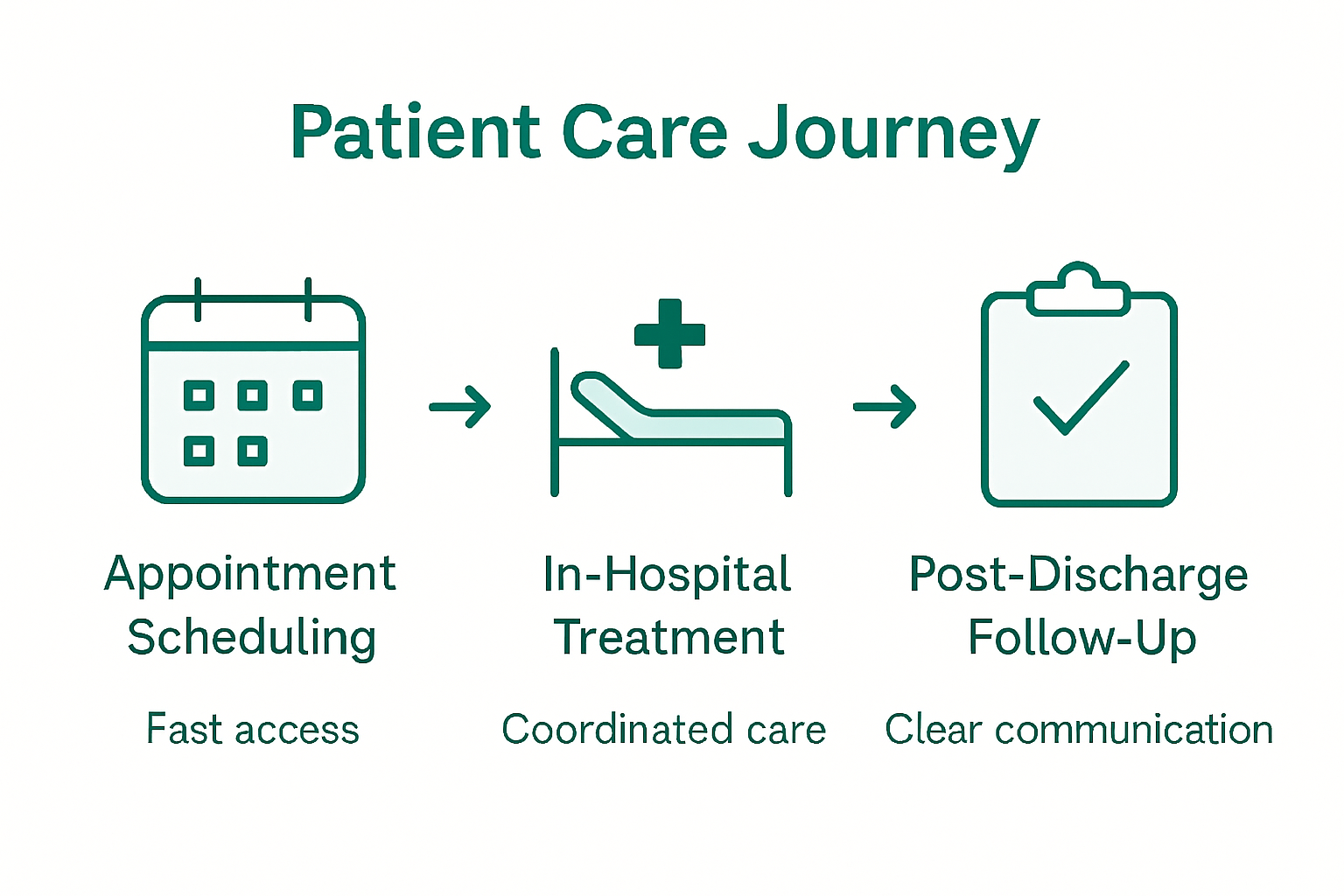
Research from leading healthcare organizations reveals that patient experience is fundamentally shaped by an organization’s culture and systemic approach to care delivery. This means every touchpoint matters - from initial scheduling to post-treatment follow-up. Key elements that significantly influence patient experience include:
- Clear and compassionate communication
- Reduced wait times and administrative friction
- Personalized care approaches
- Technological integration that simplifies patient interactions
- Consistent emotional and clinical support
Understanding patient experience as a comprehensive, interconnected journey allows healthcare providers to create more meaningful, patient-centered care strategies that improve both clinical outcomes and patient satisfaction.
Logistics and Coordination Across Care Journeys
Healthcare logistics represent a complex and critical infrastructure that directly impacts patient outcomes and system efficiency. Healthcare delivery networks face significant challenges in coordinating care across multiple providers, settings, and treatment stages. The fragmentation of care can lead to increased costs, reduced quality, and potential gaps in patient treatment continuity.
Care coordination has emerged as a pivotal strategy for addressing these systemic challenges. Modern healthcare requires a holistic approach that seamlessly connects different care providers, medical records, transportation services, and patient support systems. Optimizing caregiver allocation involves sophisticated logistics planning that considers factors like travel efficiency, patient needs, and continuity of care.
Key components of effective healthcare logistics include:
- Integrated communication systems between providers
- Real-time patient data sharing
- Efficient routing and transportation management
- Predictive resource allocation
- Comprehensive patient tracking mechanisms
Successful logistics and coordination strategies transform healthcare delivery from a fragmented process to a seamless, patient-centered experience. By implementing advanced technological solutions and collaborative frameworks, healthcare systems can significantly improve patient outcomes, reduce unnecessary costs, and create more responsive, adaptive care networks.
Technology Solutions Transforming Patient Engagement
Technology is rapidly reshaping the landscape of patient engagement, offering unprecedented opportunities for more personalized, responsive healthcare experiences. Computer perception technologies are emerging as powerful tools that can bridge communication gaps between patients and healthcare providers, creating more intuitive and adaptive interaction models.

Digital patient engagement goes beyond simple communication tools. Modern healthcare technologies are developing sophisticated frameworks that analyze patient experiences and feedback with remarkable depth and precision. Advanced analytical approaches now enable healthcare systems to gather nuanced insights from diverse data sources, including social media and patient-reported experiences, transforming how organizations understand and respond to patient needs.
Key technological innovations driving patient engagement include:
- Artificial intelligence powered communication platforms
- Personalized health monitoring applications
- Secure patient data visualization tools
- Predictive health risk assessment systems
- Integrated telehealth consultation technologies
These technological solutions are fundamentally redesigning patient interactions, creating more transparent, responsive, and patient-centered healthcare ecosystems. By leveraging data analytics, machine learning, and intuitive design principles, healthcare providers can develop more meaningful connections with patients, ultimately improving treatment outcomes and overall satisfaction.
Compliance, Privacy, and Safety Considerations
Healthcare organizations face increasingly complex challenges in maintaining robust compliance and privacy standards. Computer perception technologies introduce sophisticated considerations that require comprehensive roadmaps addressing ethical and regulatory requirements, balancing technological innovation with patient protection.
Patient data security represents a critical priority in modern healthcare systems. Organizations must navigate intricate regulatory landscapes while implementing advanced technologies that protect sensitive information. Ethical data handling practices have become paramount, especially when analyzing patient experiences across diverse digital platforms, requiring nuanced approaches to information management and privacy protection.
Key compliance and safety considerations include:
- Comprehensive data encryption protocols
- Rigorous access control mechanisms
- Regular privacy impact assessments
- Transparent patient consent frameworks
- Advanced cybersecurity infrastructure
Successful healthcare organizations recognize that compliance is not merely a regulatory requirement but a fundamental commitment to patient trust and safety. By developing proactive, holistic approaches to data protection and privacy, healthcare providers can leverage technological innovations while maintaining the highest standards of ethical practice and patient confidentiality.
Common Barriers and Effective Solutions
Healthcare systems consistently struggle with systemic challenges that compromise patient care and operational efficiency. Care fragmentation represents a critical barrier that prevents healthcare providers from delivering seamless, comprehensive treatment experiences, resulting in increased costs and reduced patient outcomes.
Operational inefficiencies create significant obstacles in modern healthcare delivery. Caregiver allocation strategies have emerged as a crucial area for transformation, with advanced decision support frameworks offering potential solutions to optimize resource deployment and improve overall care quality.
Key barriers and corresponding solutions include:
- Communication gaps between providers
- Solution: Integrated communication platforms
- Inefficient resource allocation
- Solution: Data-driven logistics management
- Fragmented patient care pathways
- Solution: Comprehensive care coordination frameworks
- Limited technological integration
- Solution: Interoperable healthcare systems
- Complex administrative processes
- Solution: Streamlined workflow automation
Successful healthcare organizations recognize that addressing these barriers requires a holistic, technology-enabled approach. By implementing strategic solutions that leverage data analytics, collaborative technologies, and patient-centered design, providers can transform systemic challenges into opportunities for enhanced care delivery and improved patient experiences.
Enhance Patient Experience Through Streamlined Healthcare Logistics
The challenges discussed in “Improving Patient Experience in Healthcare Today” highlight how fragmented care and inefficient coordination affect patient outcomes and organizational trust. Key pain points such as communication gaps, delayed transportation, and complex administrative processes are barriers that directly impact patient satisfaction and clinical success. Creating a seamless, patient-centered journey requires integrating advanced logistics solutions that prioritize real-time updates, AI-driven scheduling, and secure communication.
VectorCare offers a comprehensive digital platform designed to tackle these exact challenges. With features including optimized scheduling, vendor management, and automation, VectorCare empowers healthcare providers, payers, emergency services, and regional health agencies to reduce delays, lower operational costs, and enhance overall care coordination. This leads to improved emotional support, faster access to care, and an environment that builds trust at every touchpoint.
Ready to transform your healthcare delivery and elevate patient experience?
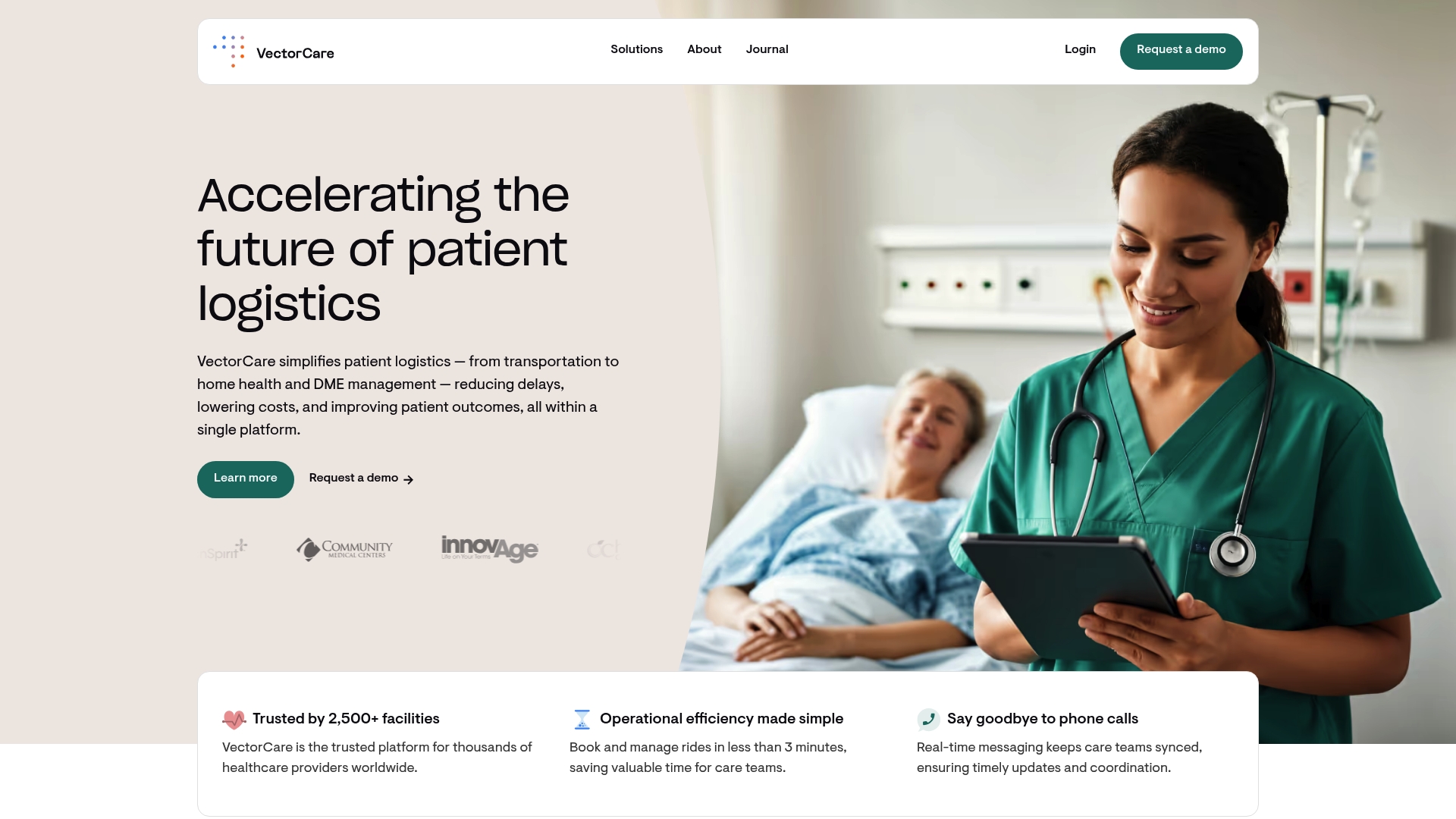
Discover how VectorCare can optimize your operations and create patient journeys that truly matter. Explore our platform today at VectorCare and take the first step toward a more efficient, compassionate healthcare system. Learn more about how we support integrated patient transportation and home health service management at VectorCare.
Frequently Asked Questions
What constitutes a positive patient experience in healthcare?
A positive patient experience includes clear communication, emotional support, responsiveness from staff, personalized care, and a comfortable physical environment, all contributing to the overall healthcare journey.
How does technology improve patient engagement?
Technology enhances patient engagement through various tools such as AI communication platforms, personalized health monitoring apps, telehealth services, and data visualization tools, which foster transparent and responsive interactions between patients and healthcare providers.
What are the key components of effective healthcare logistics?
Effective healthcare logistics entail integrated communication systems, real-time patient data sharing, efficient transportation management, and comprehensive patient tracking, all of which streamline care coordination and improve patient outcomes.
How can healthcare organizations ensure compliance and patient privacy?
Healthcare organizations can ensure compliance and patient privacy by implementing robust data encryption protocols, access control measures, regular privacy assessments, transparent patient consent processes, and advanced cybersecurity infrastructure.
Recommended
- Improving Patient Experience: Strategies for US Healthcare Providers 2025
- Improving Patient Experience: Strategies for US Healthcare Providers 2025
- How Can Hospitals Improve Patient Satisfaction in 2025
- Understanding Improving Customer Service in Healthcare
- Advanced Dental Technology: Complete Guide for 2025 - Vacaville Aesthetic Dentistry & Implants
- Healthcare SEO: 7 Strategies From Medical SEO Pros - Appture Digital ~ 855 Get Bizz