Healthcare Vendor Management Companies: Boosting Efficiency

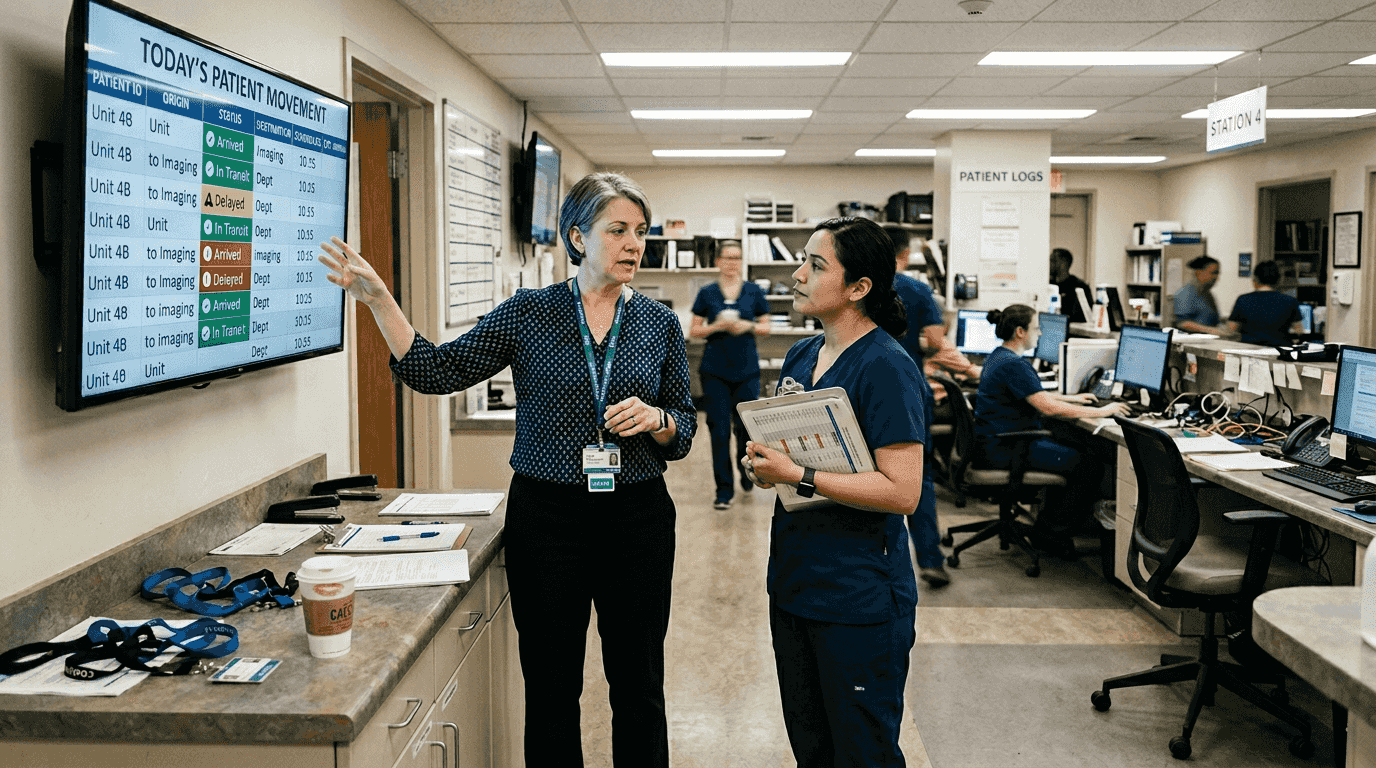
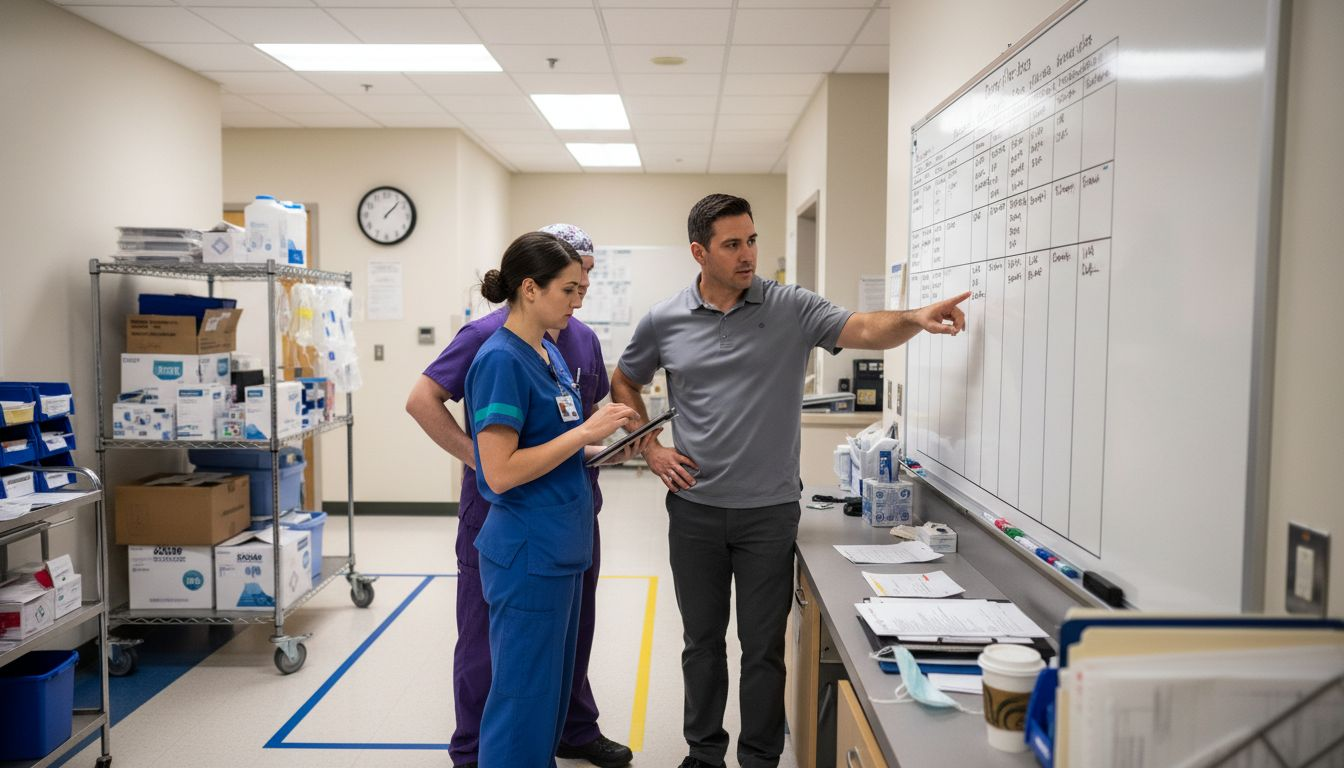
Nearly 90 percent of American hospitals face challenges coordinating vendors and patient logistics at scale. For operations managers, this directly impacts care quality and regulatory compliance. Better understanding healthcare vendor management companies can reveal practical solutions for improving supplier relationships, reducing operational costs, and supporting smoother care coordination across every department.
Table of Contents
- Defining Healthcare Vendor Management Companies
- Key Types and Technology Solutions Explained
- Essential Features and Core Functions for Hospitals
- Compliance, Security, and Regulatory Frameworks
- Operational Cost Savings and Efficiency Gains
- Evaluating Providers and Common Pitfalls to Avoid
Key Takeaways
| Point | Details |
|---|---|
| Healthcare Vendor Management Companies Enhance Efficiency | These companies optimize supplier relationships, ensuring compliance and operational efficiency in the healthcare sector. |
| Technological Integration Transforms Operations | Advanced technologies like AI and EHRs streamline vendor interactions and enhance data-driven decision making. |
| Comprehensive Evaluation Reduces Risks | Rigorous vendor assessment frameworks help mitigate integration risks and ensure alignment with healthcare objectives. |
| Dynamic Compliance and Security are Essential | Maintaining robust security and compliance strategies is crucial to protect patient data and operational integrity. |
Defining Healthcare Vendor Management Companies
Healthcare vendor management companies are specialized organizations that serve as critical intermediaries within the complex healthcare industry ecosystem. These companies focus on managing, coordinating, and optimizing relationships between healthcare providers and their various external suppliers, ensuring seamless operational efficiency and regulatory compliance.
At their core, vendor management companies perform multifaceted functions that go beyond simple procurement. They handle intricate tasks such as supplier selection, performance monitoring, contract negotiations, risk assessment, and maintaining comprehensive databases of medical equipment, pharmaceutical, and service providers. By implementing sophisticated tracking and evaluation systems, these companies help healthcare organizations streamline their supply chains, reduce operational costs, and maintain high standards of quality control.
The primary objective of healthcare vendor management companies is to create a structured approach to supplier interactions. This involves developing robust frameworks that evaluate vendor capabilities, ensure regulatory adherence, and minimize potential disruptions in medical service delivery. Their work encompasses managing relationships with diverse suppliers, from medical device manufacturers and pharmaceutical companies to specialized healthcare service providers, creating a comprehensive network that supports the healthcare ecosystem’s dynamic needs.
Pro tip: Implement a standardized vendor evaluation scorecard to consistently assess and track supplier performance across multiple metrics, enabling more informed decision making and continuous improvement.
Key Types and Technology Solutions Explained
Healthcare vendor management encompasses several critical technology solutions for healthcare delivery, representing a diverse ecosystem of technological innovations designed to streamline medical operations. These solutions span multiple categories, including pharmaceutical supply chain management, medical device integration, health information technology platforms, and advanced data analytics systems that transform how healthcare providers interact with their vendors.
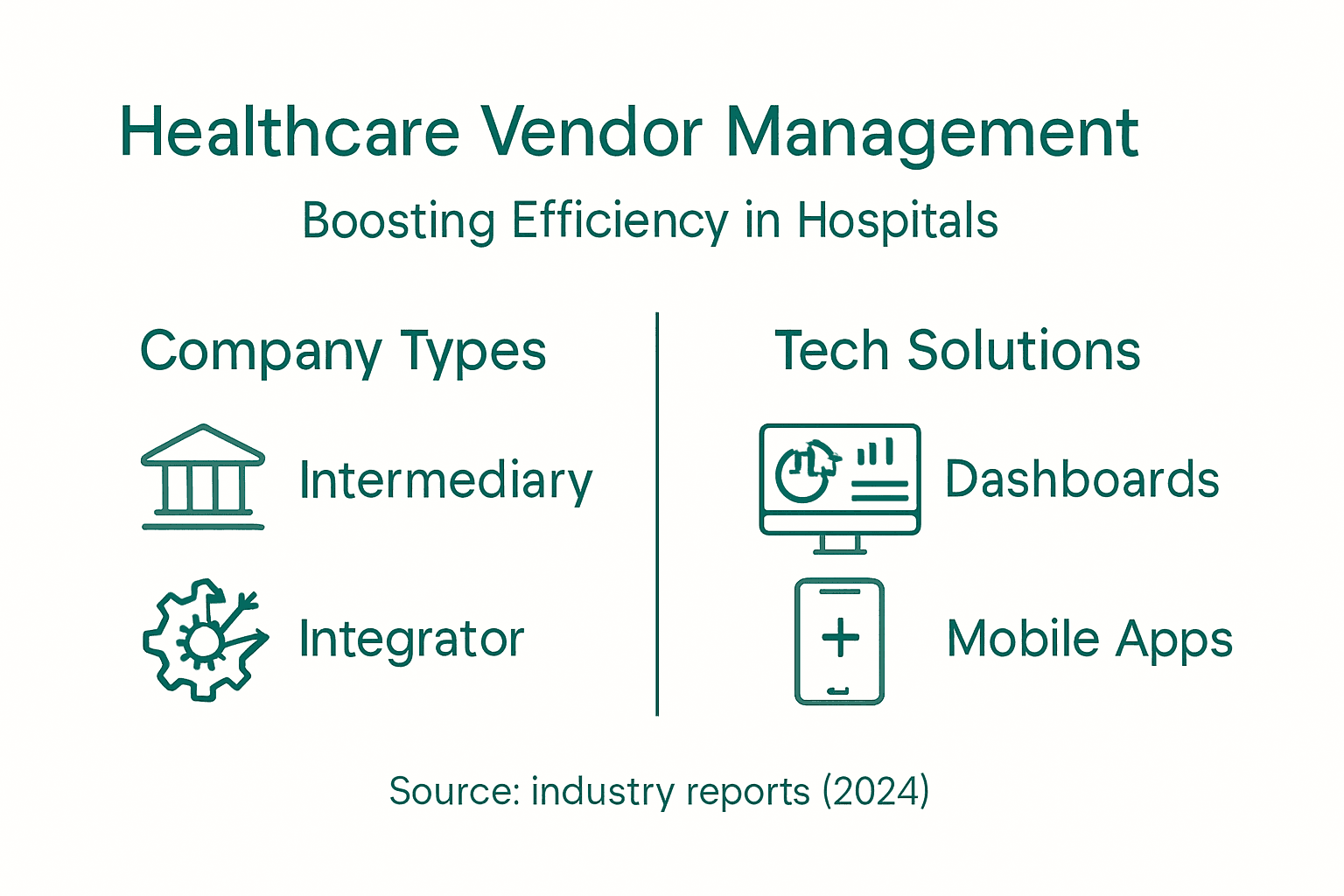
Technological Categories in healthcare vendor management include sophisticated digital platforms that address different operational needs. Electronic Health Records (EHRs) form the backbone of digital medical infrastructure, enabling seamless information exchange between providers and suppliers. Telemedicine platforms have emerged as crucial technology solutions, allowing remote consultations and real-time communication. Artificial Intelligence (AI) tools now play a transformative role, offering predictive analytics, automated inventory management, and intelligent vendor performance tracking mechanisms that help healthcare organizations make data-driven decisions.
The evolution of vendor management technologies has dramatically reshaped healthcare operational strategies. Mobile health applications, cloud-based procurement systems, and integrated supply chain management tools now enable healthcare organizations to monitor vendor relationships with unprecedented transparency and efficiency. These technologies not only reduce administrative burdens but also create more responsive, adaptable healthcare ecosystems that can quickly adjust to changing medical supply demands and regulatory requirements.
Here’s a summary of major technology solutions used in healthcare vendor management and their business impact:
| Technology Solution | Key Purpose | Business Impact |
|---|---|---|
| Electronic Health Records | Streamline provider-supplier data | Faster access, reduced errors |
| Telemedicine Platforms | Enable remote vendor interactions | Improved efficiency, flexibility |
| AI Analytics Tools | Automate performance tracking | Better decisions, cost savings |
| Mobile Health Applications | Track vendor relationships on-the-go | Real-time insights, convenience |
| Cloud-Based Procurement | Simplify vendor communications | Scalability, cost optimization |
Pro tip: Implement a comprehensive digital vendor management dashboard that consolidates performance metrics, compliance data, and real-time communication channels to enhance overall vendor relationship management.
Essential Features and Core Functions for Hospitals
Healthcare vendor management solutions for hospitals must address critical operational requirements through comprehensive quality management systems, designed to optimize clinical workflows and ensure patient safety. These sophisticated platforms integrate multiple functions that go beyond traditional procurement, encompassing complex tracking, evaluation, and strategic management of vendor relationships across different hospital departments.
Core Functions of vendor management systems include advanced capabilities that transform hospital operational efficiency. These critical features involve automated contract management, real-time performance analytics, and comprehensive risk assessment mechanisms. Hospitals require systems that can dynamically track vendor compliance, monitor supply chain resilience, and provide actionable insights into vendor performance. Key technological components include secure data integration platforms, automated compliance tracking tools, and intelligent analytics dashboards that enable hospital administrators to make rapid, informed decisions about vendor relationships and resource allocation.
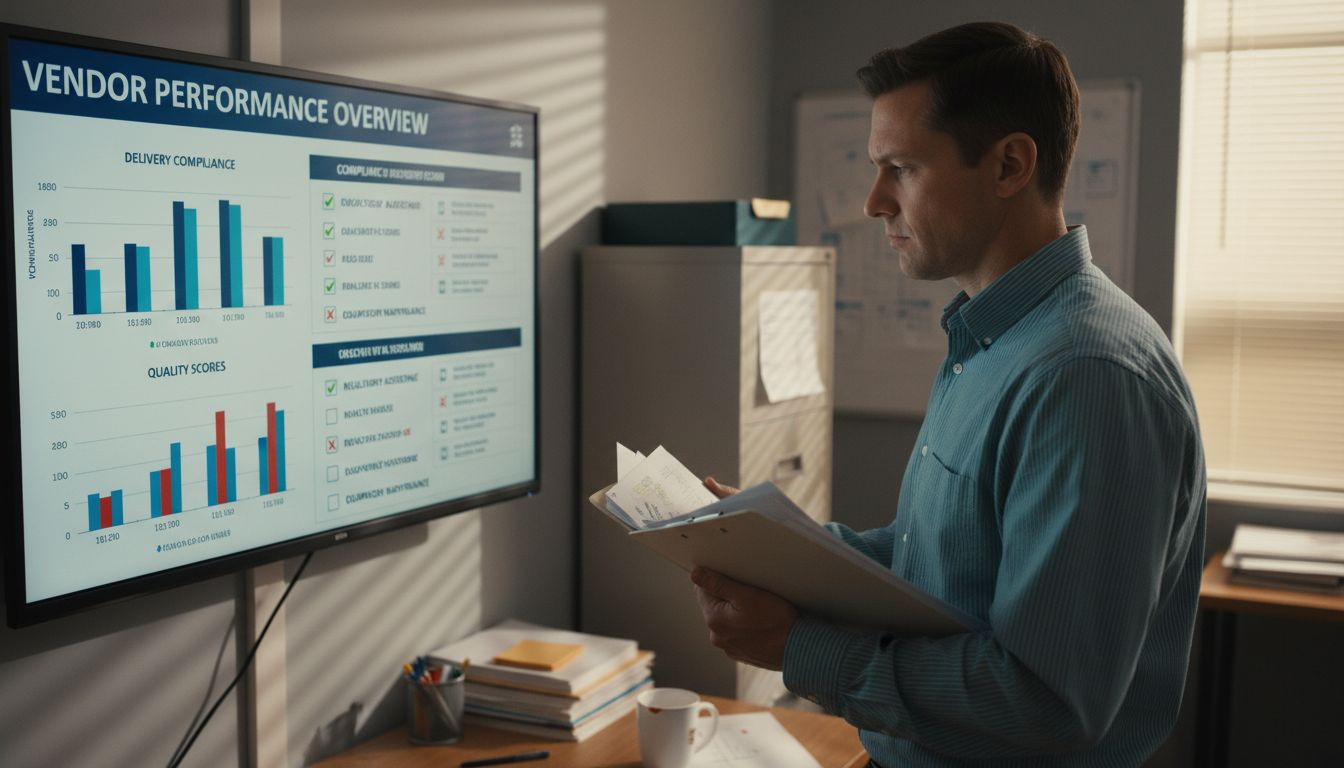
The most effective vendor management solutions for hospitals incorporate multidimensional approaches to operational excellence. These systems must seamlessly integrate with existing electronic health record (EHR) infrastructures, provide robust security protocols, and offer flexible communication channels between clinical teams and external vendors. Advanced platforms now leverage artificial intelligence and machine learning algorithms to predict potential supply chain disruptions, optimize inventory management, and proactively identify opportunities for cost reduction and operational improvement.
To help hospitals select the best vendor management system, compare these core functions and their operational benefits:
| Core Function | Operational Benefit | Value to Hospitals |
|---|---|---|
| Automated Contract Management | Reduces manual paperwork | Saves time and lowers risk |
| Compliance Tracking | Ensures regulatory adherence | Prevents fines and audits |
| Real-Time Analytics | Provides actionable insights | Quicker, accurate decisions |
| Integrated Communication | Connects teams and vendors | Fewer delays, better teamwork |
Pro tip: Develop a standardized vendor scorecard that objectively measures performance across multiple dimensions, including cost efficiency, delivery reliability, quality compliance, and strategic alignment with hospital goals.
Compliance, Security, and Regulatory Frameworks
Healthcare vendor management requires comprehensive approaches to maintaining regulatory compliance standards, addressing complex legal and technological challenges across multiple dimensions. Organizations must navigate intricate federal and state regulations that govern patient data protection, vendor interactions, and operational integrity. These frameworks encompass critical requirements including HIPAA privacy rules, anti-kickback statutes, False Claims Act provisions, and stringent cybersecurity protocols designed to safeguard patient information and prevent potential legal vulnerabilities.
Security Frameworks represent a crucial component of vendor management compliance strategies. Modern healthcare organizations must implement robust technological defenses that protect sensitive patient data and operational systems from increasingly sophisticated cyber threats. This involves developing segmented network architectures, implementing continuous monitoring tools, and creating comprehensive risk mitigation strategies that address potential vulnerabilities across vendor ecosystems. Advanced compliance platforms now integrate artificial intelligence and machine learning algorithms to proactively identify potential security risks, ensuring real-time threat detection and immediate response capabilities.
Regulatory adherence extends beyond technological solutions, requiring a holistic approach that combines technical infrastructure, organizational policies, and ongoing staff training. Healthcare vendor management companies must develop dynamic compliance programs that can rapidly adapt to evolving regulatory landscapes. This includes maintaining detailed audit trails, conducting regular vendor risk assessments, developing comprehensive incident response plans, and establishing clear communication protocols that ensure transparency and accountability throughout vendor relationships. The most effective organizations treat compliance not as a static checklist, but as a continuous, adaptive process of risk management and strategic governance.
Pro tip: Create a centralized compliance dashboard that provides real-time visibility into vendor performance, regulatory adherence, and potential risk factors, enabling proactive management and rapid strategic decision-making.
Operational Cost Savings and Efficiency Gains
Healthcare vendor management companies play a pivotal role in driving organizational efficiency through strategic cost management methodologies. By implementing sophisticated analytical frameworks, these organizations can systematically identify and eliminate unnecessary expenditures, optimize resource allocation, and create substantial financial improvements across healthcare systems. The most advanced approaches go beyond traditional cost-cutting, focusing on value-based strategies that simultaneously reduce expenses and enhance overall service quality.
Efficiency Strategies in vendor management involve comprehensive approaches that transform operational economics. These strategies include advanced contract negotiation techniques, data-driven vendor performance evaluations, and intelligent supply chain optimization. Sophisticated organizations leverage technology platforms that provide real-time insights into spending patterns, enabling predictive analytics that can forecast potential cost savings opportunities. By integrating machine learning algorithms and comprehensive data analysis, healthcare systems can identify inefficiencies with unprecedented precision, creating targeted interventions that yield measurable financial improvements.
The most effective cost reduction approaches recognize that true operational efficiency extends beyond simple expense reduction. Successful vendor management requires a holistic perspective that balances financial considerations with quality of care, patient outcomes, and long-term organizational sustainability. This means developing nuanced vendor relationships that create mutual value, implementing flexible procurement strategies, and continuously monitoring performance metrics that reflect both economic and clinical impact. Advanced healthcare organizations are now treating vendor management as a strategic function that directly contributes to overall institutional effectiveness, rather than a mere administrative task.
Pro tip: Develop a dynamic vendor scorecarding system that weights financial performance alongside quality metrics, enabling more comprehensive and strategic vendor relationship management.
Evaluating Providers and Common Pitfalls to Avoid
Healthcare vendor selection requires a comprehensive approach to assessing potential integration risks. Organizations must develop rigorous evaluation frameworks that go beyond surface-level metrics, conducting deep due diligence into potential vendors’ financial stability, technological capabilities, regulatory compliance, and long-term strategic alignment. This multidimensional assessment helps prevent costly mistakes and ensures that vendor partnerships contribute positively to overall healthcare delivery objectives.
Critical Evaluation Dimensions include analyzing potential vendors across multiple strategic domains. Financial health represents a foundational assessment criteria, requiring detailed examination of vendor stability, investment capabilities, and historical performance. Technological compatibility becomes equally crucial, demanding thorough analysis of integration potential, system interoperability, and scalability of proposed solutions. Regulatory compliance represents another essential dimension, necessitating comprehensive review of the vendor’s track record in meeting healthcare industry standards, data protection protocols, and adherence to complex legal frameworks.
Healthcare organizations must remain vigilant about common vendor management pitfalls that can compromise operational effectiveness. These include overreliance on a single vendor, insufficient performance monitoring, poor communication channels, and inadequate conflict resolution mechanisms. The most sophisticated healthcare systems implement dynamic vendor management strategies that create collaborative relationships, establish clear performance metrics, and maintain flexibility to adapt to changing technological and regulatory landscapes. By developing robust evaluation frameworks and maintaining continuous engagement, organizations can transform vendor relationships from transactional interactions into strategic partnerships that drive innovation and operational excellence.
Pro tip: Develop a standardized vendor scorecard that weights multiple performance dimensions, including financial stability, technological capability, compliance history, and cultural alignment, to enable more comprehensive and objective vendor evaluations.
Elevate Healthcare Vendor Management with VectorCare’s Seamless Solutions
The article clearly points out the challenges healthcare organizations face in managing complex vendor relationships while ensuring compliance, operational efficiency, and cost savings through advanced technology and analytics. If your goal is to overcome vendor management pitfalls like fragmented communication, inefficient tracking, and compliance risks VectorCare offers an integrated digital platform designed precisely to address these pain points. Our solution focuses on automating scheduling, real-time updates, and AI-driven dispatching that empower healthcare providers to streamline patient logistics and vendor coordination effortlessly.
With features such as secure communication channels, data insights, and compliance dashboards, VectorCare transforms vendor management into a strategic asset. Experience how your hospital or healthcare system can reduce delays, lower operational costs, and improve patient outcomes by harmonizing vendor interactions and supply chain oversight all on one user-friendly platform.
Discover how VectorCare can be the key driver of efficiency for your healthcare operations today.
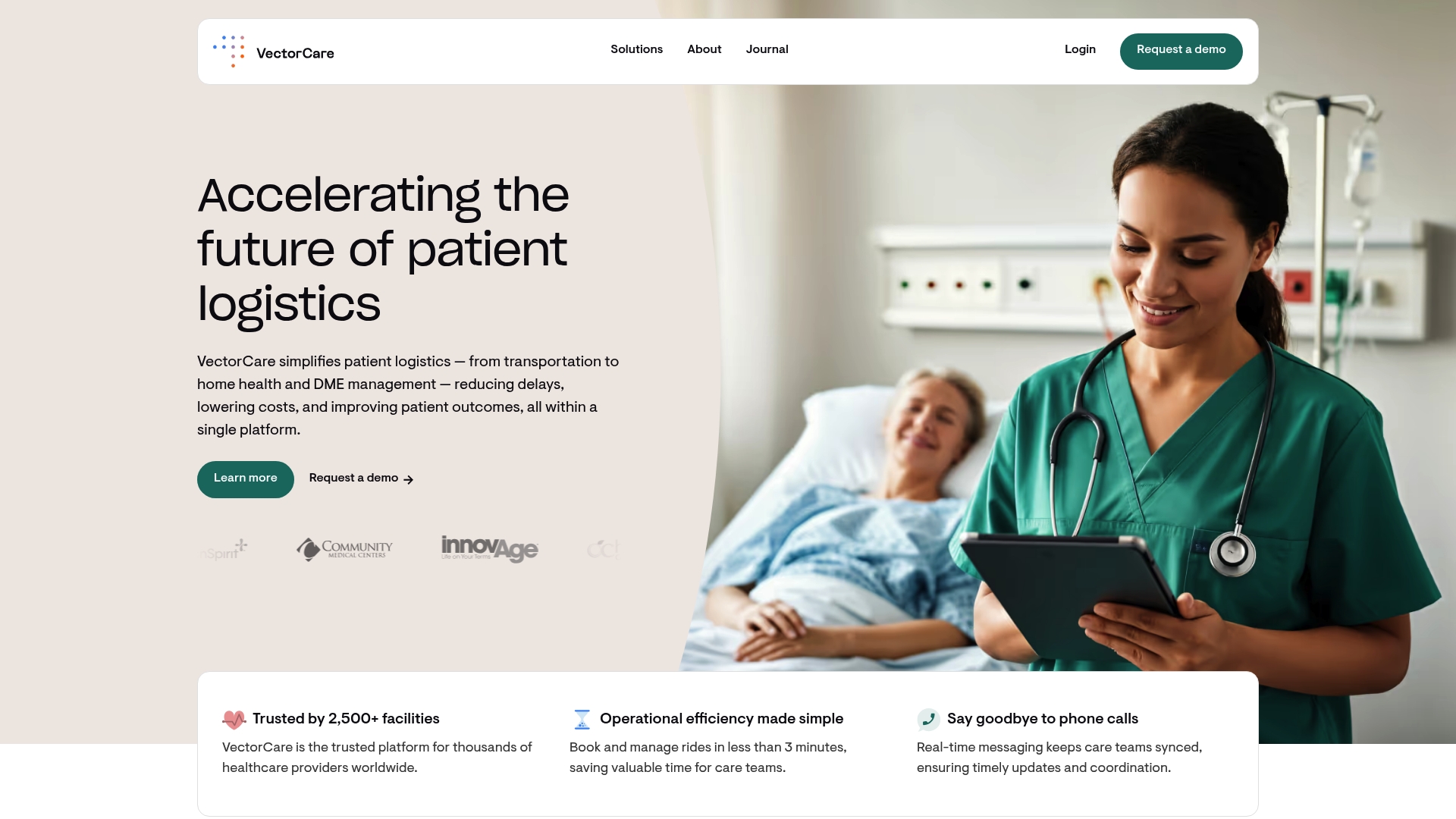
Take the first step in improving your vendor management strategy by exploring VectorCare’s comprehensive platform. Learn more about how our innovative tools support real-time vendor performance tracking and compliance at VectorCare. Start reducing administrative burdens and boosting operational excellence now by visiting https://vectorcare.com.
Frequently Asked Questions
What are healthcare vendor management companies?
Healthcare vendor management companies are specialized organizations that manage and optimize relationships between healthcare providers and their external suppliers. They handle tasks such as supplier selection, performance monitoring, contract negotiations, and risk assessment to ensure operational efficiency and regulatory compliance.
How do technology solutions enhance healthcare vendor management?
Technology solutions enhance healthcare vendor management by providing platforms for electronic health records, telemedicine, and AI analytics. These tools streamline operations, facilitate communication between providers and suppliers, and offer insights into vendor performance, thereby improving decision-making and efficiency.
What core functions should hospitals look for in a vendor management system?
Hospitals should look for vendor management systems that include automated contract management, compliance tracking, real-time performance analytics, and integrated communication channels. These features help in monitoring vendor relationships, ensuring regulatory adherence, and making informed resource allocation decisions.
How can healthcare organizations ensure compliance and security in vendor management?
Healthcare organizations can ensure compliance and security by implementing robust technological defenses, maintaining detailed audit trails, conducting regular vendor risk assessments, and establishing comprehensive incident response plans. This holistic approach helps protect patient data and ensures adherence to regulatory standards.