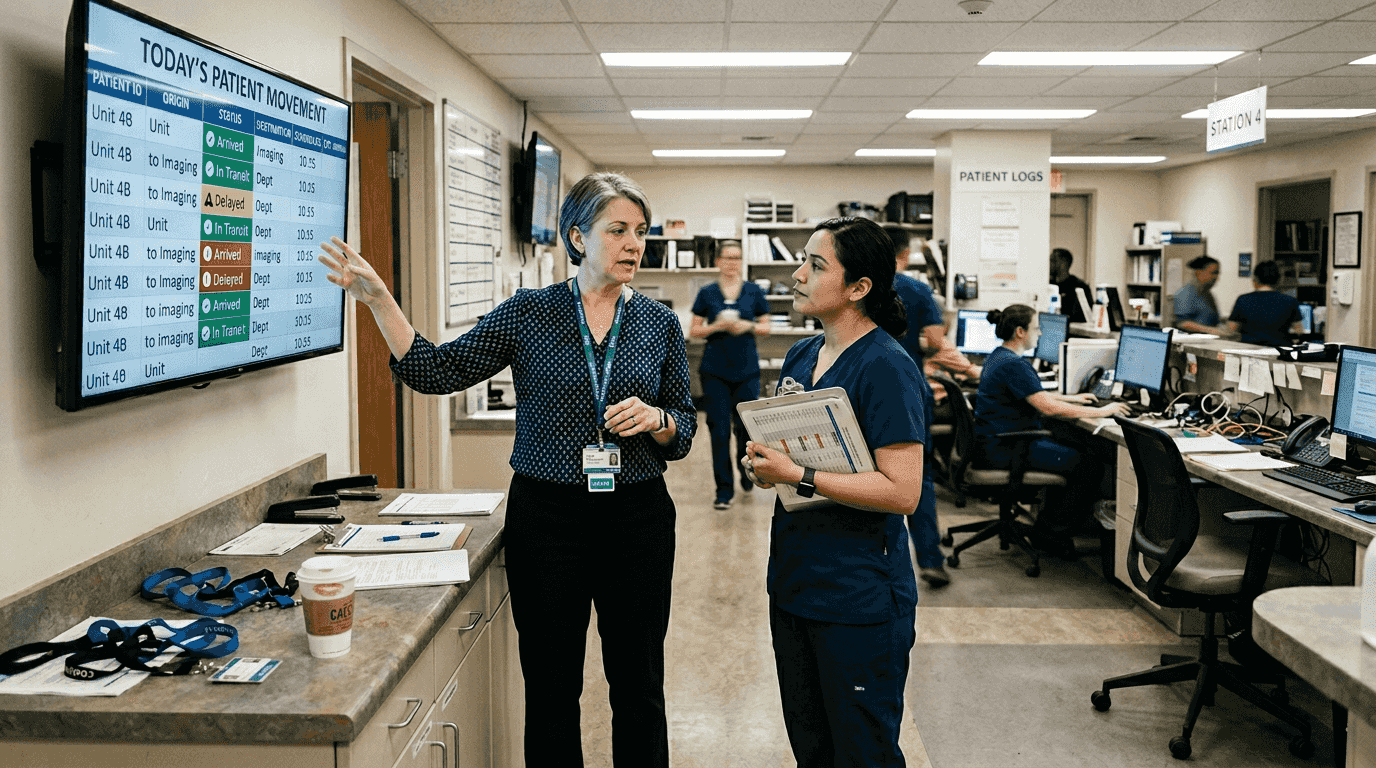
7 Healthcare Dispatch Best Practices for Better Coordination

Over 85% of American healthcare organizations now rely on digital tools to manage complex communications and operations. As patient needs grow and regulations tighten, clear and secure coordination has never mattered more. This guide spotlights practical strategies that help American medical teams improve efficiency, protect patient privacy, and deliver top-tier care through technology-backed solutions.
Table of Contents
- Streamline Communication With Secure Digital Tools
- Utilize Real-Time Updates For Greater Transparency
- Automate Dispatch Scheduling To Reduce Delays
- Optimize Vendor Management For Reliable Service
- Leverage Data Insights For Continuous Improvement
- Ensure Compliance With Healthcare Regulations
- Integrate Seamless Workflows For All Stakeholders
Quick Summary
| Takeaway | Explanation |
|---|---|
| 1. Implement Secure Digital Tools | Utilize encrypted platforms to enhance communication while maintaining patient confidentiality. |
| 2. Utilize Real-Time Updates | Adopt tracking systems for immediate insights into patient logistics and resources. |
| 3. Automate Dispatch Scheduling | Use intelligent algorithms to streamline scheduling and reduce patient waiting times. |
| 4. Optimize Vendor Management | Establish strategic vendor relationships to ensure high service quality and reliability. |
| 5. Leverage Data Insights | Analyze data systematically for continuous improvement in healthcare operations. |
1. Streamline Communication With Secure Digital Tools
Healthcare communication demands precision, speed, and absolute confidentiality. Implementing secure digital communication tools is no longer optional but a critical strategy for modern medical teams to enhance coordination and patient care.
Secure digital platforms transform how healthcare professionals exchange critical information. By utilizing advanced secure messaging systems, medical teams can rapidly share patient details, treatment plans, and urgent updates while maintaining stringent privacy standards. These tools go beyond traditional communication methods by providing encrypted channels that protect sensitive medical data from unauthorized access.
Implementing such digital tools requires strategic planning. Healthcare organizations should prioritize platforms that integrate seamlessly with existing electronic health record systems, offer end to end encryption, and provide comprehensive audit trails. The goal is creating a communication ecosystem that supports real time collaboration without compromising patient privacy.
Research demonstrates significant benefits of these secure communication technologies. A study in an urban academic hospital revealed that digital messaging tools can dramatically improve team efficiency, reduce communication delays, and create more coordinated patient care workflows. These systems enable instant communication across departments, specialists, and care teams without risking information breaches.
When selecting secure digital communication tools, healthcare leaders should evaluate key features like multi factor authentication, compliance with HIPAA regulations, and robust user access controls. The right platform transforms communication from a potential vulnerability into a strategic asset for patient care.
Pro Tip: Always conduct thorough staff training when introducing new secure communication technologies to ensure complete understanding and proper usage of digital platforms.
2. Utilize Real-Time Updates for Greater Transparency
Transparency in healthcare dispatch is no longer a luxury but a fundamental requirement for effective patient care. Real-time updates provide critical visibility into complex medical logistics, enabling healthcare teams to make informed decisions quickly and accurately.
Advanced tracking systems transform how medical organizations manage patient movements and resources. These digital platforms offer instantaneous insights into patient transport status, staff locations, and critical equipment availability. By implementing real-time tracking technology, healthcare providers can dramatically reduce communication gaps and improve overall operational efficiency.
The power of real-time updates extends beyond simple location tracking. These systems create a comprehensive digital ecosystem where every movement and interaction can be monitored, documented, and analyzed. Medical teams gain unprecedented transparency into workflows, allowing them to identify bottlenecks, optimize resource allocation, and enhance patient care protocols.
Implementing real-time update technologies requires strategic integration with existing healthcare information systems. Organizations should seek platforms that offer seamless data synchronization, robust security protocols, and intuitive user interfaces. The goal is creating a transparent communication environment that supports rapid decision making without overwhelming medical professionals with unnecessary information.
Research demonstrates significant benefits of these technologies. IoT based tracking systems have shown remarkable improvements in resource management, compliance monitoring, and operational efficiency across various healthcare domains, from patient transport to medical waste management.
Pro Tip: Select real-time update platforms that offer customizable alert systems, allowing medical teams to receive only the most critical information relevant to their specific roles.
3. Automate Dispatch Scheduling to Reduce Delays
In the complex world of healthcare logistics, manual scheduling creates unnecessary friction and potential patient care delays. Automated dispatch scheduling emerges as a critical solution for healthcare organizations seeking to optimize resource allocation and improve operational efficiency.
Data-driven dispatch systems revolutionize how healthcare teams manage patient transport and resource coordination. By implementing intelligent algorithms that automatically match available resources with urgent needs, medical organizations can dramatically reduce waiting times and streamline patient care workflows.
The core advantage of automated scheduling lies in its ability to process complex logistics faster than human coordinators. These systems analyze multiple variables simultaneously including staff availability, vehicle location, patient priority, and geographic constraints. This comprehensive approach ensures that the right resources are deployed at the right moment, minimizing unnecessary delays and maximizing healthcare efficiency.
Implementing automated dispatch scheduling requires strategic technology integration. Healthcare leaders should seek platforms that offer robust machine learning capabilities, real-time tracking, and seamless integration with existing electronic health record systems. The goal is creating a dynamic scheduling ecosystem that adapts quickly to changing medical demands.
Research demonstrates significant potential for these technologies. Advanced scheduling algorithms can reduce patient transport wait times by up to 40%, improve resource utilization, and create more predictable and reliable medical logistics networks. By removing human error and manual processing bottlenecks, automated systems transform how healthcare organizations manage complex coordination challenges.
Pro Tip: Start with a pilot program when introducing automated scheduling, selecting a specific department or service line to test and refine the technology before full organizational implementation.
4. Optimize Vendor Management for Reliable Service
Effective vendor management represents a critical foundation for healthcare organizations seeking consistent and high quality service delivery. Strategic vendor relationships can transform operational efficiency and patient care outcomes.
Digital tracking systems have revolutionized how healthcare organizations evaluate and manage external service providers. By implementing comprehensive vendor management platforms, medical teams can establish transparent performance metrics, monitor service quality in real time, and ensure rigorous compliance with industry standards.
Successful vendor optimization requires a multifaceted approach. Healthcare leaders must develop robust evaluation frameworks that assess vendor performance across multiple dimensions including reliability, response time, cost effectiveness, and regulatory compliance. This holistic assessment enables organizations to make data driven decisions about maintaining, improving, or replacing vendor partnerships.
The technological landscape now offers sophisticated vendor management tools that provide unprecedented insights. These platforms enable healthcare organizations to track vendor performance through automated reporting, predictive analytics, and comprehensive performance dashboards. By leveraging these technologies, medical teams can proactively identify potential service gaps and address them before they impact patient care.
Research demonstrates that organizations with mature vendor management strategies can reduce operational costs by up to 25% while simultaneously improving service quality and reliability. The key is moving beyond transactional relationships to create collaborative partnerships that align with organizational goals and patient care standards.
Pro Tip: Develop a standardized vendor scorecard that includes both quantitative performance metrics and qualitative assessments to create a comprehensive evaluation approach.
5. Leverage Data Insights for Continuous Improvement
Healthcare organizations are increasingly recognizing data as a strategic asset for transforming operational performance. Systematic data analysis provides a powerful mechanism for identifying inefficiencies, predicting challenges, and implementing targeted improvements across medical logistics.
Real-time tracking systems now offer healthcare teams unprecedented opportunities to convert raw operational data into actionable intelligence. By implementing sophisticated analytics platforms, medical leaders can uncover hidden patterns, bottlenecks, and potential optimization strategies that were previously invisible.
Effective data leverage requires a comprehensive approach that extends beyond simple performance measurement. Healthcare organizations must develop robust data collection frameworks that capture granular details about dispatch processes, resource utilization, response times, and patient outcomes. This holistic perspective allows for nuanced understanding of complex operational dynamics.
Advanced analytics technologies enable predictive modeling that can anticipate potential service disruptions before they occur. Machine learning algorithms can process multiple data streams simultaneously, identifying subtle correlations and recommending proactive interventions. These insights empower healthcare teams to shift from reactive problem solving to strategic, anticipatory management.
Research demonstrates that organizations implementing data driven continuous improvement strategies can reduce operational inefficiencies by up to 35% while simultaneously enhancing service quality. The key is creating a culture of ongoing learning and adaptation powered by rigorous, transparent data analysis.
Pro Tip: Establish a cross functional data review team that meets regularly to interpret insights, challenge assumptions, and develop targeted improvement strategies based on comprehensive analytics.
6. Ensure Compliance With Healthcare Regulations
Healthcare compliance represents a critical foundation for protecting patient rights, maintaining organizational integrity, and avoiding potentially devastating legal and financial consequences. Regulatory adherence is not simply a checkbox exercise but a comprehensive strategy for delivering safe and ethical medical services.
Digital communication systems have transformed how healthcare organizations approach regulatory compliance. Modern technological platforms enable medical teams to implement robust safeguards that protect patient information while facilitating seamless, secure communication across complex healthcare networks.
Effective compliance management requires a multifaceted approach that combines technological solutions, comprehensive staff training, and continuous monitoring. Healthcare organizations must develop adaptive systems that can quickly respond to evolving regulatory landscapes, including complex frameworks like HIPAA, HITECH, and emerging state specific privacy regulations.
Technology plays a pivotal role in streamlining compliance processes. Advanced digital platforms can automatically track documentation, flag potential regulatory risks, and ensure that every interaction meets stringent privacy and security standards. These intelligent systems reduce human error and create a transparent, auditable record of organizational practices.
Research indicates that organizations with sophisticated compliance management strategies can reduce regulatory risk by up to 60% while simultaneously improving overall operational efficiency. The key is creating a culture of continuous learning and proactive risk management that views compliance as a strategic advantage rather than a burdensome requirement.
Pro Tip: Implement regular compliance training modules that are adaptive and scenario based, ensuring that staff understand not just the rules but the underlying principles of patient privacy and ethical care.
7. Integrate Seamless Workflows for All Stakeholders
Healthcare coordination demands more than isolated communication channels. Integrated workflows represent the critical infrastructure that enables seamless collaboration across diverse medical teams, departments, and external service providers.
Real-time tracking systems have revolutionized how healthcare organizations synchronize complex operational processes. By creating interconnected digital platforms that allow instant information exchange, medical teams can eliminate communication barriers and ensure every stakeholder has access to precise, current information.
Successful workflow integration requires comprehensive technological solutions that transcend traditional departmental boundaries. Modern healthcare organizations must implement platforms capable of aggregating data from multiple sources emergency services, transportation providers, medical facilities, and administrative teams while maintaining robust security and compliance standards.
Advanced workflow integration technologies enable unprecedented levels of coordination. Intelligent systems can automatically route critical information, trigger necessary notifications, and create comprehensive audit trails that document every step of patient care and resource management. This approach transforms fragmented processes into streamlined, responsive ecosystems.
Research demonstrates that organizations implementing fully integrated workflows can reduce operational delays by up to 45% and significantly improve patient outcomes. The key is developing flexible digital infrastructures that adapt to evolving healthcare challenges while maintaining simplicity and user friendliness.
Pro Tip: Conduct regular cross functional workflow mapping sessions that include representatives from all stakeholder groups to identify potential integration opportunities and communication gaps.
Below is a comprehensive table summarizing the strategies and technologies discussed throughout the article for improving healthcare communication and logistics.
| Strategy | Implementation | Expected Results |
|---|---|---|
| Streamline Communication | Use secure digital communication tools, ensure end-to-end encryption, integrate with existing health record systems | Enhanced coordination and patient care, improved privacy |
| Real-Time Updates | Implement advanced tracking systems, ensure seamless data synchronization | Reduced communication gaps, improved operational efficiency |
| Automated Dispatch Scheduling | Use data-driven dispatch systems, integrate algorithms for scheduling | Reduced wait times, improved resource utilization |
| Vendor Management | Develop evaluation frameworks, use digital tracking systems | Reduced operational costs, improved service quality |
| Leverage Data Insights | Implement analytics platforms, use predictive modeling | Reduced operational inefficiencies, enhanced service quality |
| Compliance Management | Use digital communication systems, conduct continuous monitoring | Reduced regulatory risk, improved operational efficiency |
| Integrated Workflows | Implement interconnected platforms, conduct workflow mapping | Reduced operational delays, improved patient outcomes |
Elevate Your Healthcare Dispatch With VectorCare’s Integrated Platform
The article highlights critical challenges like fragmented communication, manual scheduling delays, and the need for real-time updates to enhance healthcare coordination. If you are striving to reduce operational friction, ensure compliance, and improve patient outcomes through automation and transparent workflows, VectorCare offers the comprehensive digital solutions you need. Our platform addresses key pain points such as secure communication, automated dispatch scheduling, and vendor management that align perfectly with these best practices.
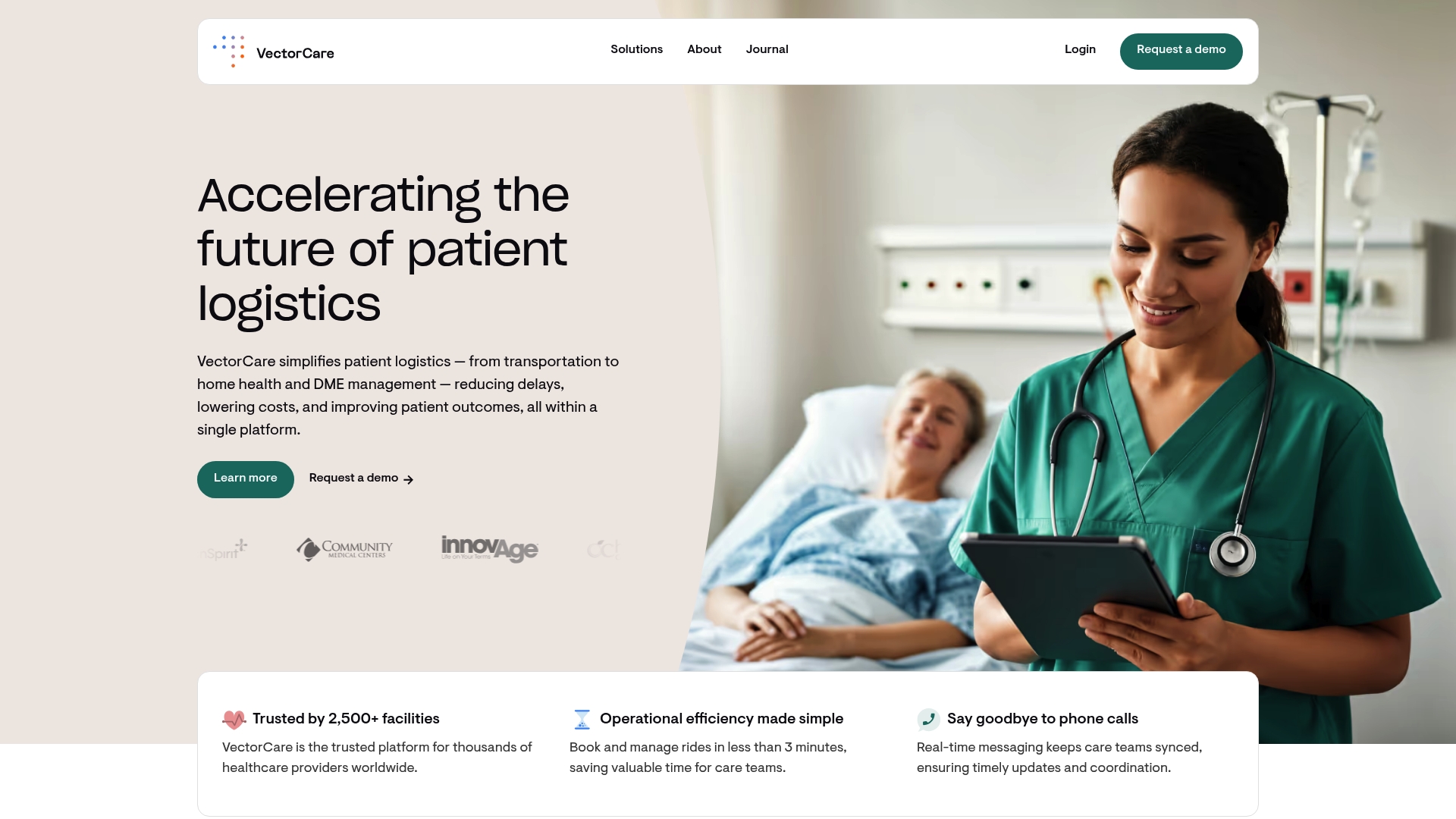
Discover how VectorCare’s user-friendly tools enable real-time tracking, AI-driven resource allocation, and data insights to transform your patient logistics into a seamless and compliant process. Don’t let communication gaps and manual errors delay care any longer. Visit VectorCare today to learn how we empower healthcare providers, payers, and emergency services to achieve faster coordination and better patient outcomes through end-to-end digital integration.
Frequently Asked Questions
What are secure digital communication tools in healthcare?
Secure digital communication tools are platforms that healthcare teams use to exchange critical information, ensuring privacy and security. Implement these tools to enhance coordination and share patient details quickly while maintaining stringent privacy standards.
How can real-time updates improve healthcare coordination?
Real-time updates provide immediate visibility into patient transport and resource status, reducing communication gaps. Integrate tracking systems to allow your healthcare teams to make informed decisions quickly, which can significantly enhance operational efficiency.
What are the benefits of automating dispatch scheduling in healthcare?
Automating dispatch scheduling helps eliminate manual errors and reduces patient transport wait times. Implement data-driven dispatch systems to streamline resource allocation, potentially reducing delays by up to 40% and optimizing patient care workflows.
Why is vendor management important in healthcare?
Vendor management is crucial for ensuring high-quality service delivery and operational efficiency. Develop a standardized evaluation framework to assess vendor performance, which can help you make data-driven decisions to improve service quality and reliability.
How can data insights lead to continuous improvement in healthcare operations?
Data insights allow healthcare organizations to identify inefficiencies and make targeted improvements. Establish a robust data analysis framework that captures key performance metrics, enabling your team to reduce operational inefficiencies by up to 35% over time.
What steps should be taken to ensure regulatory compliance in healthcare?
Ensuring regulatory compliance involves developing adaptive systems that respond to evolving regulations and implementing robust staff training. Conduct regular compliance training to keep your team informed and reduce regulatory risks significantly.
Recommended
- 5 Reasons to Improve Healthcare Dispatching | VectorCare
- Emergency Services Coordination: Complete U.S. Guide
- 7 Best Healthcare Scheduling Software for Smooth Operations
- 7 Essential Steps for NEMT Transportation Companies Success
- Top Workshop Organization Tips for Diesel Injection Technicians 2025 – My WordPress