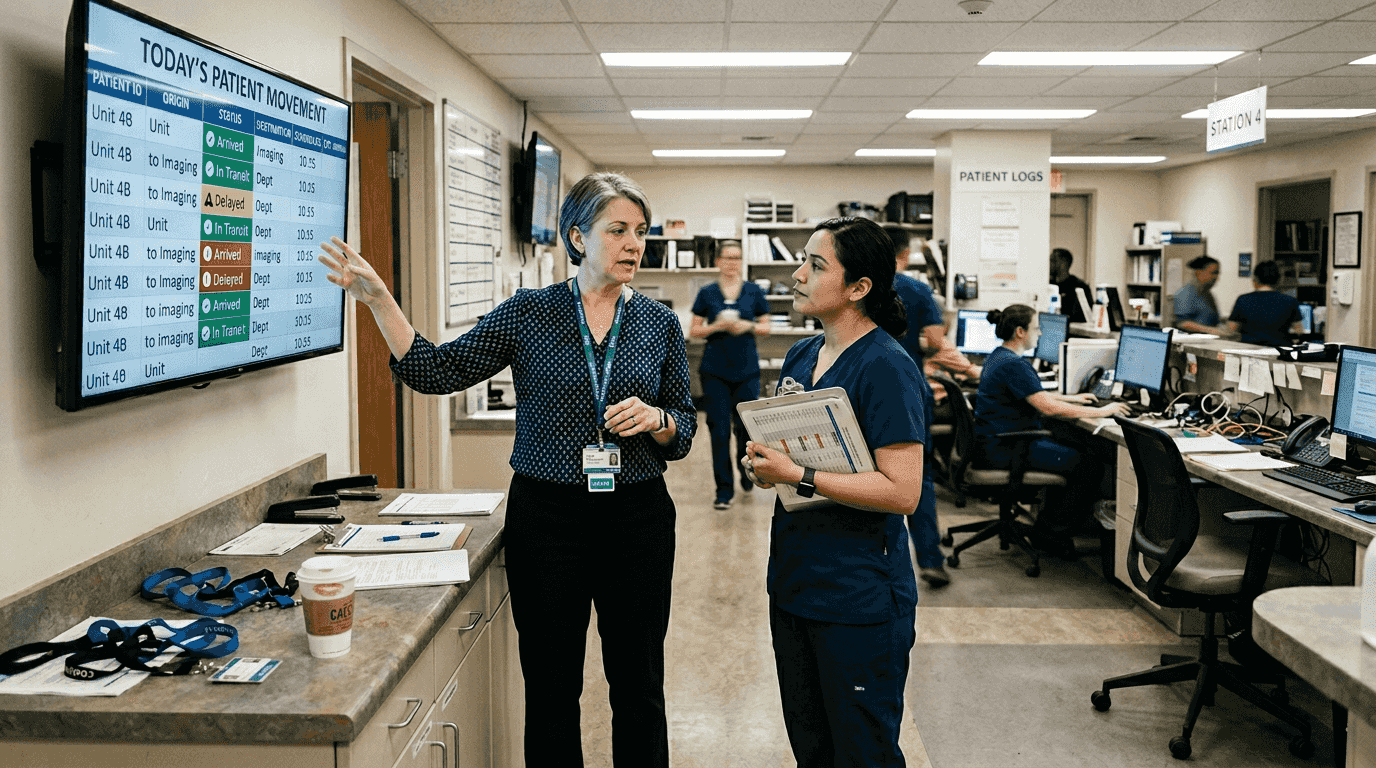
Better Patient Experience: Transforming Healthcare Logistics

Over ninety percent of American patients say that how they are treated during care is just as important as the actual medical treatment. In a rapidly changing healthcare environment, delivering an exceptional patient experience goes far beyond clinical outcomes. This article explores what truly defines a better patient experience in modern American healthcare, offering clear insights into proven strategies that elevate care and foster genuine trust.
Table of Contents
- Defining Better Patient Experience In Healthcare
- Innovative Logistics Solutions And Technologies
- Integrating Care Teams For Seamless Coordination
- Reducing Delays And Operational Costs Effectively
- Ensuring Compliance, Privacy, And Scalability
Key Takeaways
| Point | Details |
|---|---|
| Patient Experience Importance | A positive patient experience is essential for quality care, focusing on communication, accessibility, and empathy. |
| Innovative Logistics Integration | Advanced technologies like AI and blockchain enhance logistics, improving operational efficiency and patient care. |
| Care Team Coordination | Integrating care teams through shared platforms and communication fosters seamless patient management and enhanced outcomes. |
| Proactive Compliance Strategies | Utilizing technology for real-time monitoring ensures adherence to regulations while maintaining patient privacy and scalability. |
Defining Better Patient Experience in Healthcare
Healthcare is fundamentally about human connection. More than medical procedures, it represents a holistic journey where patients seek not just treatment, but understanding, respect, and compassionate care. Patient experience encompasses the entire spectrum of interactions between individuals and the healthcare system, extending far beyond clinical outcomes.
At its core, patient experience represents a multidimensional framework involving communication, accessibility, emotional support, and clinical excellence. Healthcare providers must recognize that patient experience is a critical performance indicator reflecting the quality of care delivery. This means evaluating interactions through multiple lenses: timeliness of appointments, clarity of information, staff empathy, technological integration, and overall comfort during medical encounters.
Key Components of Exceptional Patient Experience include:
- Transparent communication from healthcare providers
- Reduced wait times and efficient scheduling
- Personalized care approaches
- Accessible health information
- Respectful and empathetic interactions
- Seamless technological support
Successful patient experience strategies require a systemic approach that prioritizes human dignity alongside medical expertise. Healthcare organizations must develop comprehensive frameworks that train staff, implement patient feedback mechanisms, and continuously adapt to evolving patient expectations.
Pro Tip for Patient Experience Improvement: Regularly conduct patient satisfaction surveys and create actionable improvement plans based on collected feedback, ensuring that patient perspectives directly inform service enhancements.
The following table summarizes major patient experience enhancement strategies and their business benefits:
| Enhancement Strategy | Description | Potential Business Benefit |
|---|---|---|
| Staff Empathy Training | Teaching staff emotional intelligence | Increased patient loyalty |
| Digital Health Portals | Online access to health records | Higher patient engagement rates |
| Flexible Scheduling | Offering after-hours visits | Reduced missed appointment costs |
| Feedback Integration | Acting on survey results | Improved care quality perception |
Innovative Logistics Solutions and Technologies
Healthcare logistics is undergoing a profound technological transformation, driven by advanced digital solutions that promise unprecedented efficiency and patient-centered care. AI-powered technologies are revolutionizing supply chain management by implementing predictive analytics, smart routing, and automated quality control mechanisms that dramatically improve operational workflows.
Emerging Technologies in healthcare logistics are creating new paradigms for patient transport, medical equipment management, and supply chain optimization. Blockchain technology offers a secure and transparent system for tracking medical supplies, ensuring unprecedented levels of accountability and traceability throughout complex healthcare networks.
Key innovative logistics solutions include:
- Real-time tracking and geolocation technologies
- Predictive demand forecasting algorithms
- Automated inventory management systems
- Integrated communication platforms
- Machine learning-driven route optimization
- Secure digital documentation workflows
Successful implementation of these technologies requires a holistic approach that integrates advanced software solutions with human expertise. Healthcare organizations must invest in training, infrastructure, and adaptive technological frameworks that can evolve with changing patient needs and emerging medical technologies.
Pro Tip for Technology Integration: Conduct comprehensive technology assessments and pilot programs before full-scale implementation, allowing your organization to test, learn, and refine innovative logistics solutions with minimal operational disruption.
Here’s a comparison of how emerging technologies impact different aspects of healthcare logistics:
| Logistics Aspect | Traditional Approach | Technology-Driven Approach |
|---|---|---|
| Inventory Control | Manual tracking, prone to errors | Automated systems, accurate real-time data |
| Communication | Isolated phone calls | Integrated digital platforms |
| Supply Chain Visibility | Limited, slow updates | Real-time tracking, blockchain transparency |
| Route Scheduling | Static, fixed routes | Dynamic, AI-driven optimization |
Integrating Care Teams for Seamless Coordination
Effective healthcare delivery demands more than individual medical expertise. Building trusting relationships and communication among care teams represents the critical foundation for comprehensive patient care, transforming fragmented interactions into cohesive, patient-centered experiences.

Care Team Integration involves creating interconnected workflows that enable seamless information sharing, collaborative decision-making, and synchronized patient management. Improving patient experiences requires reducing friction between healthcare providers by establishing clear communication protocols, shared technological platforms, and mutual accountability for patient outcomes.
Key strategies for care team coordination include:
- Implementing unified electronic health record systems
- Establishing standardized communication protocols
- Creating interdisciplinary care planning meetings
- Developing shared performance metrics
- Encouraging cross-functional training
- Utilizing collaborative digital communication tools
Successful integration demands a cultural shift that prioritizes transparency, mutual respect, and patient-centered collaboration. Healthcare organizations must invest in training, technological infrastructure, and organizational frameworks that support seamless information exchange and collective patient care responsibility.
Pro Tip for Care Team Coordination: Develop regular interdisciplinary case review sessions where team members from different specialties discuss complex patient cases, fostering mutual understanding and collaborative problem-solving approaches.
Reducing Delays and Operational Costs Effectively
Emerging technologies are revolutionizing healthcare logistics by introducing sophisticated solutions that dramatically reduce operational inefficiencies. These innovative approaches leverage advanced data analytics, automation, and intelligent routing to minimize delays, optimize resource allocation, and significantly decrease unnecessary expenditures across complex healthcare delivery systems.
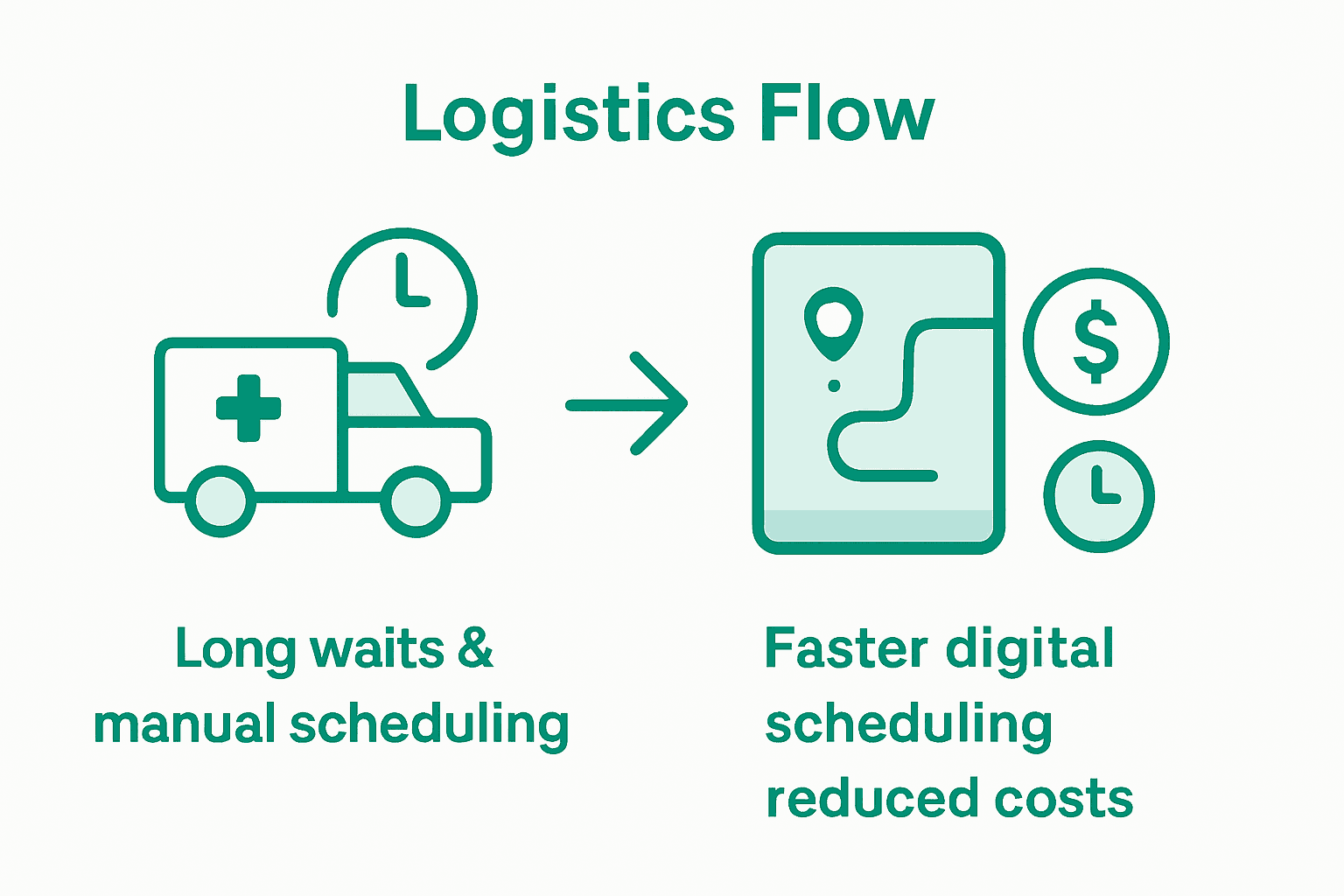
Operational Cost Reduction requires a multifaceted strategy that goes beyond traditional management approaches. By integrating smart technologies like Internet of Things (IoT), artificial intelligence, and real-time tracking systems, healthcare organizations can create dynamic, responsive logistics networks that adapt quickly to changing patient needs and operational challenges.
Key strategies for reducing delays and operational costs include:
- Implementing predictive analytics for demand forecasting
- Utilizing automated scheduling and routing algorithms
- Developing integrated communication platforms
- Adopting real-time tracking and visibility technologies
- Creating data-driven performance optimization models
- Streamlining inventory and supply chain management
Successful cost reduction demands a comprehensive approach that balances technological innovation with human expertise. Healthcare organizations must invest in training, infrastructure, and adaptive frameworks that enable continuous improvement and operational agility.
Pro Tip for Cost Management: Conduct regular comprehensive audits of your logistics workflows, identifying bottlenecks and implementing incremental improvements that compound operational efficiency over time.
Ensuring Compliance, Privacy, and Scalability
Blockchain technology offers unprecedented security and transparency for healthcare logistics, creating robust frameworks that simultaneously address complex regulatory requirements, patient privacy concerns, and organizational scalability challenges. These advanced technological solutions transform traditional compliance management from a reactive administrative burden into a proactive, integrated strategic advantage.
Compliance Frameworks must evolve beyond traditional checklist approaches, incorporating sophisticated technologies that enable real-time monitoring, automatic documentation, and adaptive regulatory responsiveness. Healthcare organizations need comprehensive strategies that integrate cutting-edge technological solutions with rigorous privacy protection protocols, ensuring patient data remains secure while maintaining operational flexibility.
Key considerations for compliance and scalability include:
- Implementing end-to-end encryption protocols
- Developing granular access control mechanisms
- Creating audit-ready documentation systems
- Establishing continuous monitoring frameworks
- Designing adaptable technological infrastructures
- Ensuring interoperability across different healthcare platforms
Successful implementation requires a holistic approach that balances technological innovation, regulatory adherence, and patient-centered care. Healthcare organizations must invest in robust training programs, develop agile technological frameworks, and cultivate a culture of continuous improvement and regulatory awareness.
Pro Tip for Compliance Strategy: Conduct regular comprehensive risk assessments and maintain a dynamic compliance roadmap that anticipates regulatory changes and technological advancements, ensuring your organization remains proactive rather than reactive.
Elevate Patient Experience by Transforming Healthcare Logistics Today
The article highlights the critical challenges healthcare organizations face in delivering exceptional patient experiences while managing complex logistics. Common obstacles include delayed scheduling, inefficient communication, and operational costs that strain both providers and patients. With patient experience deeply tied to factors like transparency, real-time updates, and personalized care coordination, healthcare systems need solutions that bridge fragmented workflows and enable seamless care team integration.
VectorCare’s comprehensive digital platform is designed specifically for these challenges. Our AI-driven dispatching and scheduling optimization tackle delays and reduce administrative burdens. Real-time tracking and secure communication enhance collaboration among providers, payers, and emergency services. By automating logistics processes and providing actionable data insights, VectorCare empowers healthcare organizations to improve patient outcomes while lowering costs. Explore how our platform offers flexible, scalable solutions that prioritize compliance and operational agility at VectorCare.
Ready to reduce delays and elevate your patient care?
Discover how VectorCare can transform your healthcare logistics and deliver better patient experiences. Visit VectorCare’s digital platform now to learn how automation and real-time insights can empower your organization to achieve coordinated, efficient, and compassionate care directly aligned with the goals discussed in this article.
Frequently Asked Questions
What are the key components of an exceptional patient experience in healthcare?
The key components include transparent communication from healthcare providers, reduced wait times, personalized care approaches, accessible health information, respectful interactions, and seamless technological support.
How can healthcare organizations improve their patient experience strategies?
Healthcare organizations can improve patient experience by regularly conducting patient satisfaction surveys, training staff in empathy, implementing digital health portals, offering flexible scheduling, and integrating patient feedback into service enhancements.
What emerging technologies are transforming healthcare logistics?
Emerging technologies like AI, blockchain, real-time tracking systems, and automated inventory management are revolutionizing healthcare logistics. These technologies enhance operational efficiency, improve patient transport, and optimize supply chain management.
What strategies can be employed to reduce delays and operational costs in healthcare?
Strategies to reduce delays and operational costs include implementing predictive analytics for demand forecasting, utilizing automated scheduling and routing, integrating communication platforms, and streamlining inventory management.