6 Ways Telemedicine Reduce Healthcare Costs for Hospitals
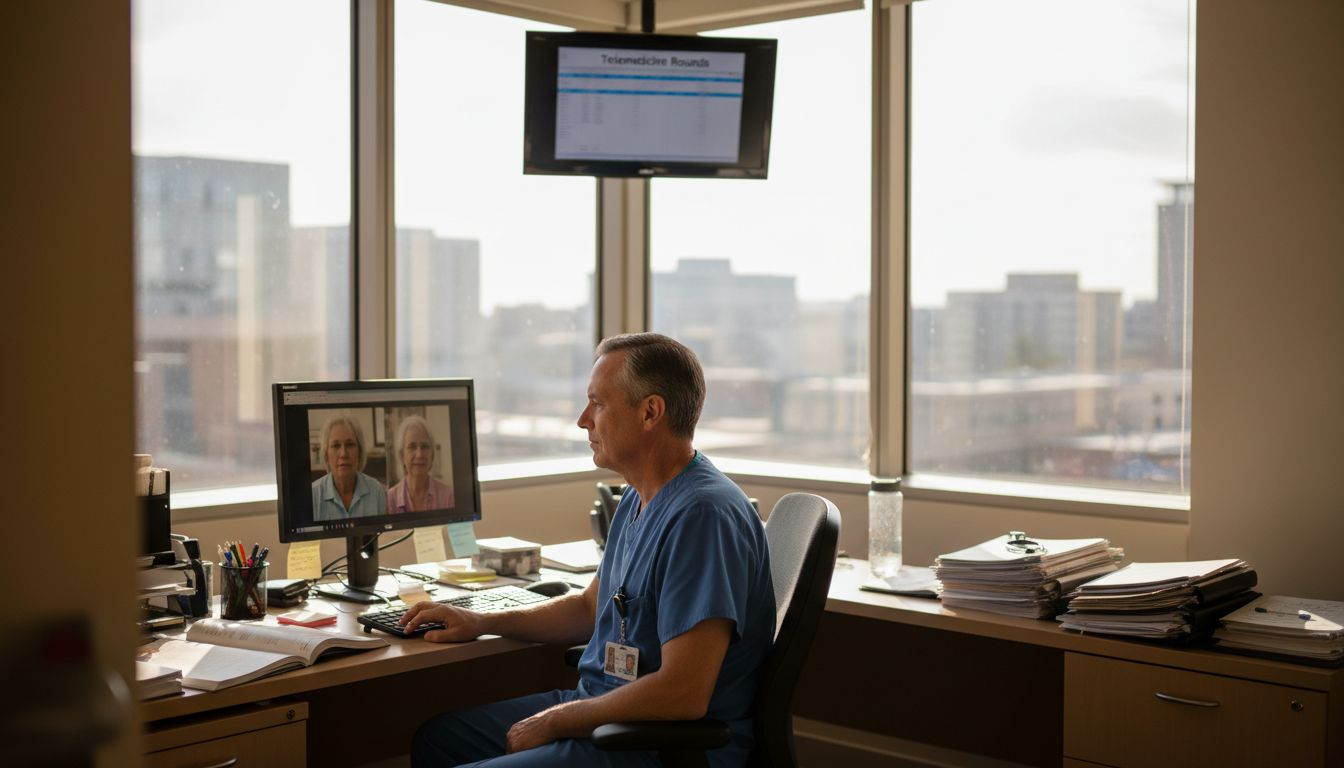
Finding ways to reduce hospital operating costs can feel overwhelming when expenses climb in every department. Each extra test, no-show visit, or unnecessary patient trip adds up quickly, straining your resources and staff time. The pressure to deliver efficient care without sacrificing quality is higher than ever.
The upside is that telemedicine offers concrete, cost-saving solutions many hospitals overlook. By simply changing how patients and providers connect, you can cut expenses tied to administration, specialist referrals, and even patient transport, all while making care more accessible.
Get ready to uncover actionable strategies that will help your hospital trim waste, simplify workflows, and deliver better care for less. These approaches are proven to save real money and can transform how your teams work each day.
Table of Contents
- Cutting Administrative Costs With Virtual Consults
- Reducing Unnecessary ER Visits For Savings
- Optimizing Specialist Access To Lower Expenses
- Enhancing Care Coordination To Streamline Workflows
- Minimizing Patient Transport And Related Costs
- Improving Chronic Disease Management Remotely
Quick Summary
| Key Insight | Explanation |
|---|---|
| 1. Virtual Consults Cut Administrative Costs | Using virtual consultations reduces costs by eliminating in-person overhead and streamlining scheduling and operations. |
| 2. Preventing Unnecessary ER Visits Saves Money | Telemedicine helps intercept non-emergency visits, saving hospitals $400-$1,200 per visit and improving patient access to care. |
| 3. Remote Specialist Access Reduces Wait Times | Virtual consultations improve access to specialists, decreasing wait times and unnecessary referrals, leading to better patient outcomes. |
| 4. Enhanced Care Coordination Lowers Expenses | Integrated telemedicine platforms enhance communication across departments, reducing duplicate tests and administrative overhead significantly. |
| 5. Remote Chronic Disease Management Decreases Hospitalizations | Monitoring chronic conditions remotely prevents costly hospital admissions by allowing early intervention and frequent monitoring of patients. |
1. Cutting Administrative Costs with Virtual Consults
Virtual consultations eliminate the overhead expenses tied to in-person office visits. Your hospital saves money on facility maintenance, utilities, and staff coordination while patients receive faster care from home.
Administrative burden drops significantly when you implement virtual consults. Staff no longer manage complex scheduling for physical spaces, coordinate patient transportation, or process lengthy check-in procedures.
How Virtual Consults Reduce Administrative Waste
When patients visit virtually, your administrative team handles fewer tasks:
- Eliminate appointment no-shows by 20-30% through easier rescheduling options
- Reduce front desk staff requirements for check-in and verification
- Lower supply costs for medical records handling and storage
- Decrease facility wear and tear from high patient traffic
- Minimize phone call volume with automated reminder systems
Telehealth reduces administrative burdens by improving scheduling efficiency and lowering no-show rates, which directly cuts operating costs across your facility.
Your billing department benefits too. Virtual consults streamline the revenue cycle because documentation is standardized and electronic. Claims process faster when patient information flows directly into your EHR without manual data entry steps.
Virtual consultations transform administrative workflows—what once required three staff members coordinating across departments now happens with one or two clicks.
Consider the practical savings in your scheduling department alone. One mid-sized hospital eliminated three full-time scheduler positions after switching 40% of consults to virtual format. Those staff members now handle complex referrals and patient logistics instead of repetitive appointment booking.
Patient retention improves because virtual visits reduce friction. People complete follow-up appointments when they don’t require time off work or childcare arrangements. Higher completion rates mean steadier revenue and more efficient use of physician time.
Pro tip: Start by converting routine follow-up appointments to virtual format first—they generate the fastest administrative savings since these visits require minimal specialized equipment and patients already know your providers.
2. Reducing Unnecessary ER Visits for Savings
Emergency rooms are expensive. When patients use them for non-emergencies, your hospital absorbs significant costs while potentially delaying care for truly critical cases. Telemedicine intercepts these unnecessary visits before they happen.
Many ER visits occur because patients lack accessible care options. A patient with a minor infection, medication question, or minor wound chooses the ER because it feels safer or faster than waiting for an appointment. Virtual consultations provide an immediate alternative.
Why ER Visits Cost More Than Virtual Care
Your emergency department carries overhead that virtual care avoids completely:
- Staffing 24/7 with specialized physicians, nurses, and technicians
- Maintaining diagnostic equipment and laboratory capabilities
- Handling complex triage and coordination workflows
- Managing facility costs for a high-acuity setting
- Processing discharge paperwork and follow-up coordination
A single unnecessary ER visit costs your hospital between $400 and $1,200 in direct expenses. A virtual consultation costs $50 to $150. The savings multiply when you prevent dozens of these visits monthly.
Telemedicine creates a safety valve for minor urgent care needs. When patients can access a clinician within minutes through video, they choose that option instead of driving to the ER at midnight with a fever or rash.
Virtual urgent care through telemedicine reduces ER overcrowding while cutting costs—patients receive faster answers, and your hospital avoids expensive emergency department utilization.
Your clinicians benefit from this shift too. Providers can handle routine urgent cases during scheduled virtual windows, leaving ER physicians focused on actual emergencies. This improved focus creates better outcomes and staff satisfaction.
When considering broader operational cost reduction strategies, telemedicine integration addresses one of the largest controllable expenses in hospital operations.
Implement virtual urgent care by staffing 2-3 clinicians during peak hours (evenings and weekends). Route common concerns like infections, minor injuries, and medication questions to this virtual team rather than the ER.
Pro tip: Track which conditions get routed to your virtual urgent care clinic, then analyze your ER data to identify patterns—this reveals exactly which visits you’re preventing and quantifies your savings month by month.
3. Optimizing Specialist Access to Lower Expenses
Waiting months for a specialist appointment frustrates patients and drains your finances. Telemedicine collapses these wait times while reducing unnecessary referrals that inflate costs. Your primary care team gains instant access to specialist input, improving decisions and patient outcomes.
Specialist consultations traditionally require patients to travel, take time off work, and wait weeks for appointments. Each delay risks complications, readmissions, and patient dissatisfaction. Virtual specialist consultations eliminate these friction points entirely.
How Telemedicine Specialist Access Saves Money
When your primary care physicians consult specialists remotely, several cost reductions happen simultaneously:
- Reduce unnecessary specialist referrals by 15-30% through quick remote consultations
- Lower patient travel costs and lost productivity from time off work
- Decrease no-show rates since virtual appointments require minimal patient effort
- Avoid costly delays that lead to emergency interventions or hospitalizations
- Improve diagnostic accuracy through faster specialist input on complex cases
Teleconsultation reduces wait times and lowers costs by improving specialist access, which optimizes care pathways and reduces expenses tied to specialist visits and associated delays.
Your primary care teams make better treatment decisions when they can consult cardiology, orthopedics, or dermatology within hours instead of weeks. This means fewer trial-and-error treatments, faster patient improvement, and reduced downstream costs.
Remote specialist consultations transform referral patterns—your primary care team makes smarter decisions faster, preventing expensive procedures and hospitalizations before they happen.
Patients also benefit from faster answers. Someone with joint pain gets orthopedic input the same week instead of waiting two months. This speed keeps patients working, satisfied, and engaged in their care.
Implement specialist telemedicine by identifying your highest-volume referral specialties first. Cardiology, psychiatry, and orthopedics work particularly well for remote consultations. Schedule dedicated virtual clinic hours when specialists review cases submitted by primary care.
Track your referral patterns before implementation, then measure changes in referral volume, wait times, and patient satisfaction. You’ll quickly see which conditions benefit most from remote specialist input.
Pro tip: Create a simple asynchronous consultation system where primary care providers submit patient summaries and imaging to specialists, who respond within 24 hours—this eliminates scheduling delays and lets providers handle routine cases without formal referrals.
4. Enhancing Care Coordination to Streamline Workflows
Fragmented communication between departments wastes time and money. Patients get scheduled for duplicate tests, providers duplicate efforts, and administrative staff chase missing information. Telemedicine platforms unify these scattered workflows into seamless coordination.
When your care team uses telemedicine systems, everyone accesses the same patient information simultaneously. A cardiologist sees what orthopedics documented. A nurse knows exactly when the next specialist appointment occurs. This transparency eliminates the repetition that inflates costs.
How Better Coordination Reduces Operational Waste
Improved care coordination through telemedicine cuts expenses across multiple departments:
- Eliminate duplicate diagnostic tests and imaging ordered by different providers
- Reduce administrative time spent coordinating between departments and specialists
- Decrease patient readmissions caused by poor communication and missed follow-ups
- Lower pharmacy costs by preventing drug interactions through better medication visibility
- Improve staff efficiency by reducing time spent tracking down patient information
Telemedicine integration improves care coordination by streamlining clinical workflows, reducing service duplication, and enhancing provider communication, which collectively lowers administrative overhead and improves care delivery.
Your scheduling department experiences immediate relief when all providers access the same calendar system. No more double-booking because cardiology didn’t know about the orthopedic appointment. No more confused phone calls asking about competing appointments.
Better care coordination eliminates the chaos of fragmented systems—your team works as one unit instead of isolated silos, and costs drop as a result.
Lab results flow directly to all relevant providers simultaneously. A patient with diabetes sees their results posted for endocrinology, their primary care physician, and their cardiologist within minutes. Each provider adjusts treatment immediately rather than waiting for manual notification.
Implement unified coordination by selecting a telemedicine platform that integrates with your existing EHR system. Your IT team handles one integration instead of managing dozens of separate systems talking to each other imperfectly.
Start with your highest-traffic care pathways. If you manage many heart failure patients, implement coordination specifically for that population first. Track readmission rates and ED visits before and after implementation to quantify savings.
Pro tip: Assign a care coordinator to audit communication patterns for one week, documenting every instance of duplicate testing or delayed information sharing—this baseline data helps you measure exactly how much your new coordinated system improves efficiency.
5. Minimizing Patient Transport and Related Costs
Patient transportation represents a massive hidden cost in hospital operations. Ambulances, mileage reimbursement, staff time, and facility parking all add up quickly. Telemedicine eliminates entire categories of unnecessary travel by bringing care directly to patients.
Every patient who doesn’t travel saves your hospital money. No ambulance dispatch. No parking validation. No staff member wasting two hours driving when they could see other patients. Virtual consultations replace many of these journeys entirely.
The Real Cost of Patient Transport
Your hospital absorbs significant expenses every time a patient travels to a facility:
- Ambulance dispatch and fuel costs for non-emergency transport
- Staff time spent coordinating transportation logistics
- Parking expenses and facility maintenance related to patient vehicles
- Lost productivity when patients miss work for appointments
- Environmental costs and carbon footprint from unnecessary trips
Telemedicine reduces transportation expenses by eliminating unnecessary patient travel to healthcare facilities, thereby minimizing transport costs and environmental impact simultaneously.
Consider a hospital serving a rural area. Patients drive 45 minutes for follow-up appointments that last 10 minutes. Virtual visits eliminate that 90-minute round trip while your clinician sees three more patients that same day. Everyone benefits from the efficiency.
Virtual consultations transform patient logistics—patients stay home while hospitals eliminate transportation overhead, fuel expenses, and staff coordination time.
Hospital-at-home telemedicine programs demonstrate the potential. Research shows these programs generate significant savings in travel-related costs for both patients and providers while reducing demands on facility resources.
Your scheduling becomes more flexible too. A patient can take a virtual appointment during lunch break instead of requesting a full afternoon off work. Higher completion rates and patient satisfaction follow naturally.
Implement virtual visits for post-operative follow-ups, chronic disease management, and routine monitoring first. These visits require minimal specialized equipment and generate maximum transportation savings.
Calculate your current non-emergency transport volume and multiply by average cost per trip. That baseline number shows your potential savings. Even modest conversion to virtual visits yields impressive cost reductions.
Pro tip: Track which appointment types generate the most transportation requests and focus your telemedicine rollout there first—patients with mobility limitations or those traveling long distances show the highest satisfaction when offered virtual alternatives.
6. Improving Chronic Disease Management Remotely
Chronic diseases consume enormous resources when managed through repeated office visits and emergency interventions. Telemedicine transforms chronic disease management by catching problems early through remote monitoring, preventing costly complications before they develop.
Patients with diabetes, heart disease, and COPD require frequent monitoring. Traditional care means office visits every month or more. Remote management lets your clinicians monitor these patients continuously from home, adjusting treatment before emergencies occur.
How Remote Chronic Disease Management Saves Money
Your hospital reduces costs across multiple areas when managing chronic conditions remotely:
- Prevent hospital readmissions by 25-40% through early intervention on deteriorating patients
- Eliminate unnecessary office visits while increasing monitoring frequency
- Reduce emergency department visits from patients experiencing preventable disease progression
- Lower medication costs through better adherence when patients receive frequent check-ins
- Decrease staff time spent on phone calls and chart reviews
A heart failure patient monitored daily through telemedicine catches fluid accumulation before it requires hospitalization. Your clinician adjusts diuretics remotely. The patient never needs an ER visit or inpatient admission.
Remote patient monitoring benefits in healthcare include improved patient satisfaction while reducing hospitalizations through continuous oversight of chronic disease progression.
Your nursing staff handles remote monitoring through structured protocols. A nurse checks vital signs submitted automatically from home devices each morning. They contact patients whose readings fall outside normal ranges, preventing cascade failures.
Remote chronic disease management prevents crises before they happen—your team catches problems early when intervention costs dollars instead of waiting until they cost thousands.
Patient engagement improves dramatically with remote management. When people see their clinician responding to data they submit, they take treatment more seriously. Better adherence means better outcomes and lower costs.
Implement remote monitoring starting with your highest-cost chronic disease population. Heart failure patients generate the most readmissions and ER visits. Diabetes patients require the most medication adjustments. Focus there first.
Equip patients with simple devices that connect to your system. Blood pressure monitors, pulse oximeters, and weight scales transmit data automatically. Patients need minimal technology literacy to participate.
Set clear protocols for your clinical team. If blood pressure reads above 160, contact patient. If weight increases more than 3 pounds in two days, escalate to physician. Structured responses prevent both under-treatment and unnecessary interventions.
Pro tip: Start with 20-30 highest-risk patients and run the program for 90 days, tracking hospital admissions, ER visits, and office visit reductions—this pilot data justifies expansion to your entire chronic disease population.
Below is a comprehensive table summarizing the cost-saving strategies and benefits of telemedicine discussed throughout the article.
| Topic | Description | Benefits |
|---|---|---|
| Cutting Administrative Costs | Virtual consultations reduce overhead expenses like facility maintenance and complex scheduling of physical spaces. | Reduced administrative workload, decreased supply costs, and fewer appointment no-shows. |
| Reducing Unnecessary ER Visits | Telemedicine provides an alternative for minor urgent needs, preventing costly ER usage. | Substantial cost savings per case, improved ER efficiency, and better patient accessibility. |
| Optimizing Specialist Access | Enables instant remote consultations with specialists, reducing delays in care. | Lower referral rates, quicker diagnostics, better patient outcomes. |
| Enhancing Care Coordination | Telemedicine unifies patient information across departments. | Decreased duplicate services, streamlined workflows, and improved patient care quality. |
| Minimizing Patient Transport | Reduces non-emergency transportation needs via virtual visits. | Lower transport expenses, increased efficiency, and environmental benefits. |
| Improving Chronic Disease Management | Continuous remote monitoring prevents complications and ER visits. | Reduced readmissions, increased patient engagement, and improved adherence to treatments. |
Boost Cost Savings and Efficiency with VectorCare’s Patient Logistics Platform
The article highlights how telemedicine cuts healthcare costs by reducing administrative burdens, unnecessary ER visits, complex specialist referrals, fragmented care coordination, and costly patient transportation. If your hospital faces challenges in managing these areas efficiently, VectorCare offers a seamless solution built to optimize patient logistics and streamline workflows. By automating scheduling, coordinating transportation, and integrating care pathways, VectorCare helps you eliminate delays, reduce operational expenses, and enhance patient outcomes — all critical elements discussed in reducing healthcare costs through telemedicine.
Ready to transform your hospital’s telemedicine initiatives into measurable cost savings? Explore how our comprehensive digital platform supports efficient patient transportation management, automated vendor coordination, and improved care communication. Visit VectorCare now and take the next step toward smarter, more cost-effective healthcare logistics.
Frequently Asked Questions
How can telemedicine help reduce administrative costs for hospitals?
Telemedicine can significantly lower administrative costs by streamlining scheduling, reducing no-show rates, and minimizing the need for front desk staff. To start, convert routine follow-up appointments to virtual visits, which can generate administrative savings within 30-60 days.
What specific savings can virtual consultations provide to healthcare facilities?
Virtual consultations can save hospitals substantial amounts by eliminating overhead costs associated with in-person visits, such as maintenance and utilities. Hospitals may experience a reduction in costs by up to 20-30% when shifting to telemedicine formats.
How does telemedicine prevent unnecessary emergency room visits?
Telemedicine effectively reduces unnecessary emergency room visits by providing patients with immediate access to care for minor issues, thus preventing unnecessary costs. Implement virtual urgent care options during peak hours to leverage direct access for patients, which can decrease ER visits by a significant margin.
What are the financial benefits of optimizing specialist access through telemedicine?
Optimizing specialist access through telemedicine can lower costs by reducing unnecessary referrals and minimizing patient wait times. Enhance care delivery by establishing remote consultations for high-volume specialties, which can decrease referral rates by 15-30%.
In what ways does telemedicine improve chronic disease management and reduce costs for hospitals?
Telemedicine improves chronic disease management by enabling continuous monitoring and early interventions, which helps prevent costly hospitalizations. Implement remote monitoring protocols for high-risk chronic patients, targeting a 25-40% reduction in readmissions within the initial pilot phase.
How can hospitals minimize patient transport costs with telemedicine?
Hospitals can minimize patient transport costs by leveraging telemedicine for routine follow-ups and chronic disease management, thus reducing the need for physical travel. Focus on transitioning these appointments to virtual formats first, which can save hospitals substantial money by decreasing transport needs significantly.