What Is Non-Emergency Medical Transportation?
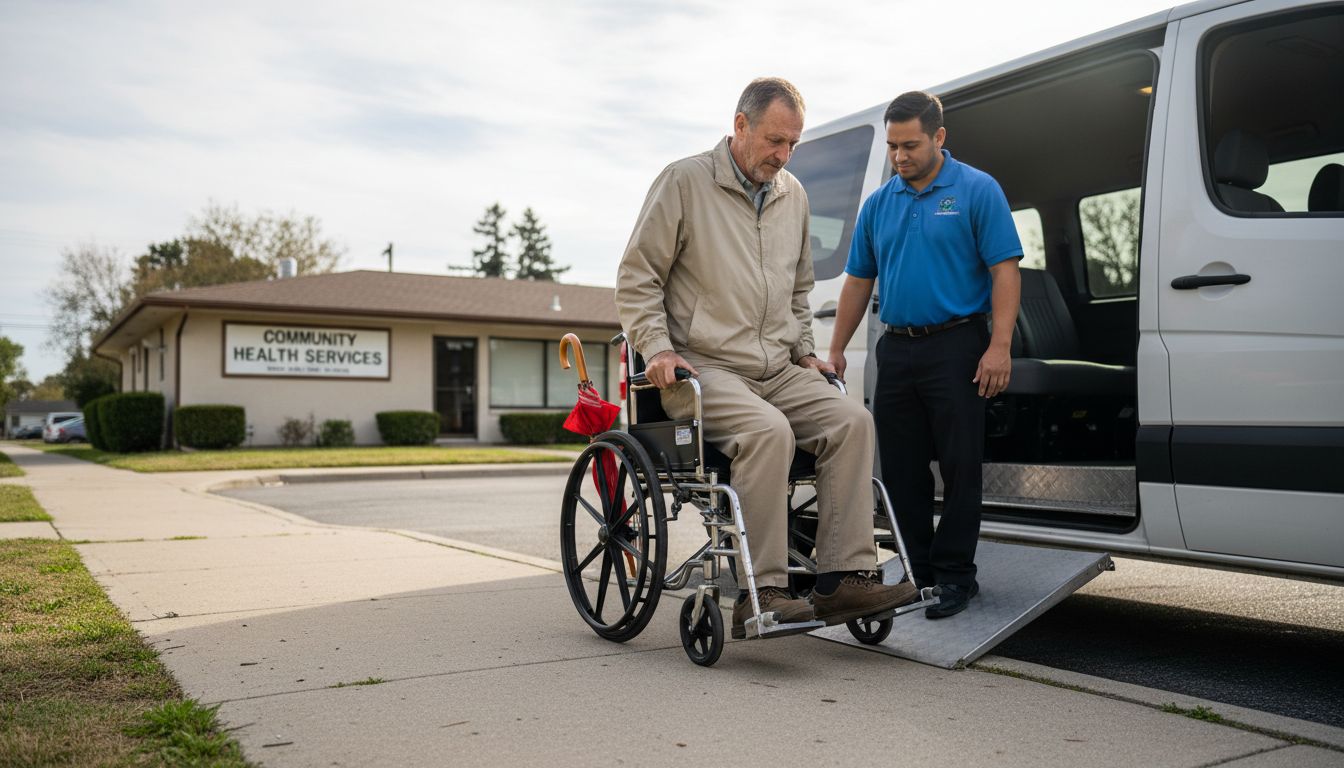
Every year, millions of American patients miss critical medical appointments simply because they lack safe or reliable transportation. For those without a car or dealing with disabilities, this gap in access can have serious consequences. Non-Emergency Medical Transportation addresses a challenge that touches families across the United States by providing affordable rides to essential healthcare. Discover how this service breaks down barriers and supports the well-being of vulnerable populations in American communities.
Table of Contents
- Defining Non-Emergency Medical Transportation
- Major Types of NEMT Services Available
- How NEMT Works For Patients And Providers
- Insurance, Medicaid, And NEMT Eligibility
- Compliance, Safety, And Cost Considerations
Key Takeaways
| Point | Details |
|---|---|
| Importance of NEMT | Non-Emergency Medical Transportation (NEMT) ensures critical healthcare access for individuals unable to independently travel to medical appointments. |
| Diverse Transportation Modes | NEMT services include various transportation options like taxis, public transit, and specialized medical vehicles to meet patient needs. |
| Eligibility Criteria | Medicaid covers NEMT services for eligible individuals based on specific transportation needs, such as lack of personal vehicles or physical limitations. |
| Compliance and Safety | NEMT providers must adhere to stringent safety regulations and maintain high standards to ensure patient safety and service efficiency. |
Defining Non-Emergency Medical Transportation
Non-Emergency Medical Transportation (NEMT) represents a critical healthcare service designed to help patients who cannot independently transport themselves to medical appointments. This specialized transportation system provides mobility solutions for individuals who lack personal transportation resources or face physical challenges traveling independently.
According to the Centers for Medicare and Medicaid Services, NEMT encompasses various transportation modes that support patient healthcare access. These transportation options include cars, taxis, vans, public transit systems, and specialized medical vehicles tailored to meet diverse patient needs. The primary goal is ensuring patients can reliably reach medical facilities for necessary treatments, preventive care, and ongoing health management.
Non-Emergency Medical Transportation serves multiple patient populations, including:
- Elderly individuals with limited mobility
- Patients with chronic medical conditions
- Individuals with disabilities
- Low-income patients without personal transportation
- Patients requiring specialized medical transport equipment
The Medicaid program specifically defines NEMT as a required benefit that covers transportation to and from medical appointments for enrollees who lack alternative transportation options. This comprehensive service ensures vulnerable populations can access essential healthcare services, ultimately supporting broader public health objectives by removing transportation barriers that might otherwise prevent patients from receiving critical medical care.
Major Types of NEMT Services Available
Non-Emergency Medical Transportation (NEMT) services encompass a diverse range of transportation solutions designed to meet the unique mobility needs of patients. The Centers for Medicare and Medicaid Services outline multiple transportation modes that healthcare systems can leverage to support patient access to medical care.
The primary types of NEMT services include:
- Taxi Services: Door-to-door transportation for individual patients with flexible scheduling
- Public Transit: Affordable transportation option for patients with basic mobility needs
- Specialized Medical Vehicles: Wheelchair-accessible vans and vehicles equipped for patients with complex medical requirements
- Volunteer Driver Programs: Community-based transportation support for patients in rural or underserved areas
- Personal Vehicle Reimbursement: Compensation for patients or family members using personal vehicles for medical appointments
Each transportation mode serves a specific patient population, ensuring comprehensive coverage across different medical transportation needs. Factors like patient mobility, geographic location, medical condition, and financial resources determine the most appropriate NEMT service type.
These diverse transportation options help eliminate barriers to healthcare access, particularly for vulnerable populations such as elderly patients, individuals with disabilities, and those with limited financial resources. By providing multiple transportation solutions, NEMT services ensure that patients can reliably reach medical appointments, receive necessary treatments, and maintain consistent healthcare engagement.
How NEMT Works for Patients and Providers
Non-Emergency Medical Transportation (NEMT) operates through a structured process that involves coordination between patients, healthcare providers, and transportation services. Medicaid beneficiaries must carefully arrange transportation in advance, providing critical details such as appointment dates, specific times, and precise pick-up and drop-off locations.
The typical NEMT workflow involves several key steps:
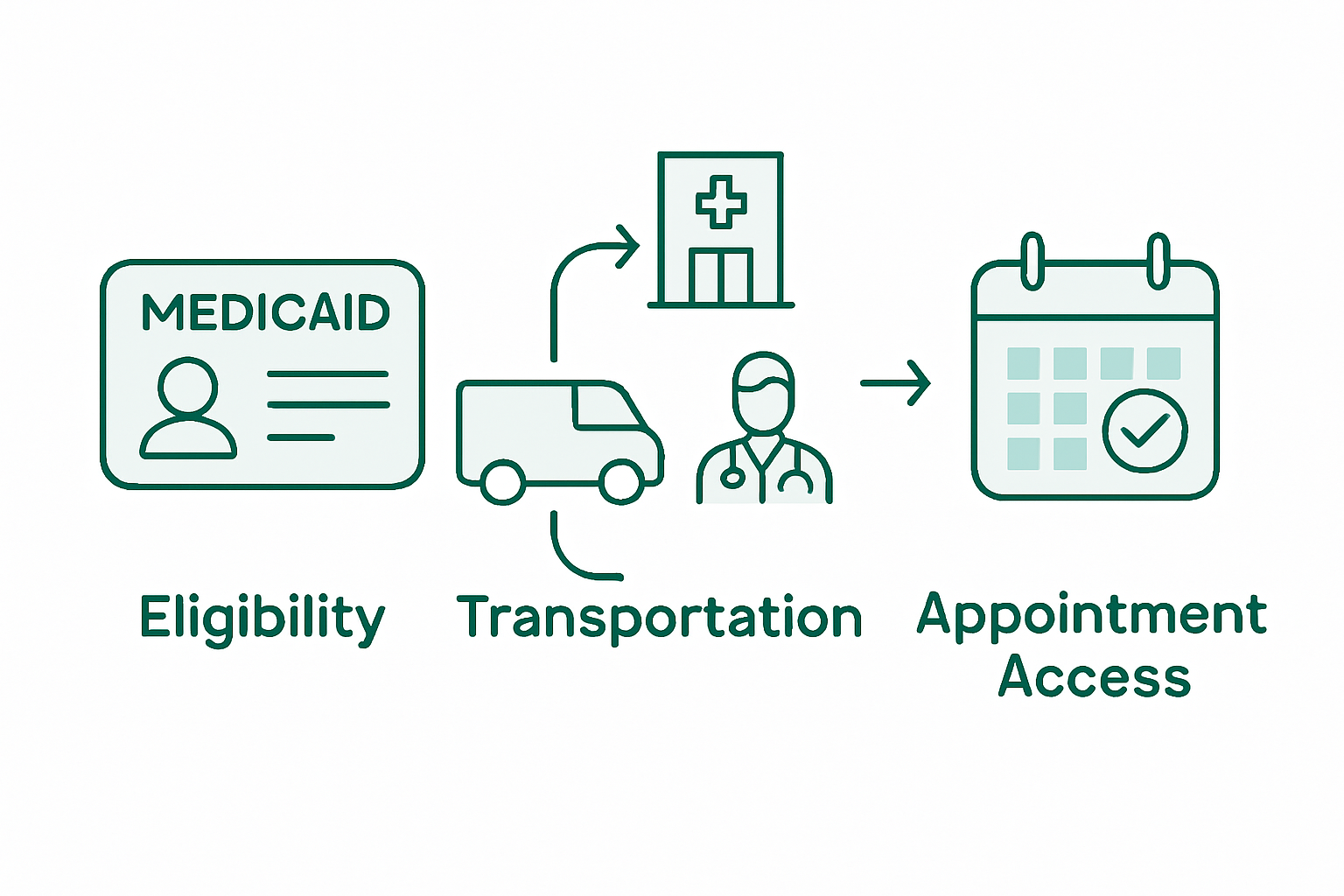
- Patient Eligibility Verification: Determining if the patient qualifies for NEMT services
- Transportation Request: Patient or healthcare provider submits transportation request
- Service Matching: Appropriate transportation mode is selected based on patient needs
- Scheduling and Confirmation: Transportation is arranged and patient is notified
- Transportation Delivery: Patient is transported to and from medical appointment
- Billing and Reimbursement: Transportation provider is compensated for services
For healthcare providers, NEMT management requires careful attention to state-specific regulations and patient-specific requirements. Providers must ensure that transportation services meet medical necessity criteria, accommodate patient mobility limitations, and maintain comprehensive documentation of transportation arrangements.
Patients benefit from NEMT by gaining reliable access to medical care, reducing missed appointments, and overcoming transportation barriers. The system prioritizes patient safety, comfort, and timely medical service delivery, creating a critical support mechanism for individuals with limited transportation options or complex medical needs.

Insurance, Medicaid, and NEMT Eligibility
Non-Emergency Medical Transportation (NEMT) eligibility varies across different insurance programs, with Medicaid providing the most comprehensive coverage for transportation services. Medicaid beneficiaries must demonstrate specific unmet transportation needs to qualify for these critical healthcare support services.
Key eligibility criteria for NEMT typically include:
- Lack of a valid driver’s license
- No working personal vehicle available
- Physical or cognitive limitations preventing independent travel
- Medical conditions requiring specialized transportation
- Low-income status
- Residency in specific geographic regions
- Enrollment in Medicaid or certain state healthcare programs
Insurance coverage for NEMT extends beyond traditional Medicaid, with some private insurance plans and Medicare Advantage programs offering limited transportation benefits. Each insurance provider establishes unique qualification standards, often requiring pre-authorization, medical documentation, and proof of transportation necessity.
Patients seeking NEMT services should carefully review their specific insurance plan details, consult with healthcare providers, and contact their insurance representatives to understand precise eligibility requirements. The goal of these transportation services remains consistent: ensuring vulnerable populations can access necessary medical care regardless of personal transportation limitations.
Compliance, Safety, and Cost Considerations
Non-Emergency Medical Transportation (NEMT) services operate within a complex regulatory landscape that demands stringent adherence to safety standards and compliance requirements. NEMT providers must carefully navigate state-specific rules and implement robust measures to prevent potential fraud and ensure patient safety.
Key compliance and safety considerations for NEMT providers include:
- Driver Qualifications
- Valid commercial driver’s license
- Clean driving record
- Background check clearance
- Annual health screenings
- Vehicle Safety Standards
- Regular maintenance inspections
- Wheelchair accessibility compliance
- Proper medical equipment storage
- Clean and sanitized interiors
- Operational Protocols
- Patient confidentiality maintenance
- Accurate record-keeping
- Real-time GPS tracking
- Emergency response protocols
Cost considerations in NEMT are multifaceted, involving expenses for transportation providers, insurance companies, and healthcare systems. The average NEMT trip can range from $25 to $75, with complex medical transportation potentially costing significantly more. Medicaid and other insurance programs typically cover these expenses, recognizing that investing in transportation can reduce overall healthcare costs by preventing missed appointments and supporting preventive care.
Ultimately, successful NEMT services balance regulatory compliance, patient safety, and cost-effectiveness. Providers must continuously evolve their strategies to meet changing healthcare regulations, technological advancements, and patient transportation needs while maintaining high standards of service and accountability.
Streamline Non-Emergency Medical Transportation with VectorCare
Non-Emergency Medical Transportation is essential for ensuring vulnerable patients reach their medical appointments safely and on time. Yet coordinating diverse services like wheelchair-accessible vans, volunteer driver programs, and scheduling requires precision and care. Challenges such as verifying patient eligibility, managing multiple vendors, and ensuring compliance with safety standards create operational hurdles that can delay care and increase costs.
VectorCare offers a powerful solution designed to tackle these exact pain points. Our integrated platform automates scheduling optimization and vendor management, supports real-time updates, and uses AI-driven dispatching to improve patient logistics. By centralizing communication and providing actionable data insights, VectorCare helps healthcare providers and payers reduce administrative burdens and prevent missed appointments — helping patients get the care they need without transportation gaps.
Ready to improve your NEMT operations with proven technology that enhances safety, compliance, and cost control? Explore how VectorCare’s platform can transform your patient transportation management by visiting VectorCare today. Discover tailored features designed specifically to support comprehensive healthcare logistics and deliver better outcomes.
Frequently Asked Questions
What is Non-Emergency Medical Transportation (NEMT)?
Non-Emergency Medical Transportation (NEMT) is a healthcare service that provides transportation for patients who cannot get to medical appointments independently due to various reasons, such as not having a vehicle or facing physical limitations.
Who is eligible for NEMT services?
Eligibility for NEMT typically includes individuals who lack a valid driver’s license, do not have access to a personal vehicle, have physical or cognitive limitations, or are enrolled in Medicaid or specific healthcare programs.
What types of transportation modes are available under NEMT?
NEMT encompasses several transportation options, including taxi services, public transit, specialized medical vehicles, volunteer driver programs, and personal vehicle reimbursement.
How do NEMT services work for patients?
NEMT services involve a structured process where patients or healthcare providers submit a transportation request, followed by eligibility verification, service matching, scheduling, and finally, the transportation of patients to and from their medical appointments.