Patient Satisfaction and Health Outcomes: Impact on U.S. Hospitals

Nearly 80 percent of American hospital administrators report that patient satisfaction and health outcomes are now driving key operational decisions. In a fast-paced healthcare setting, finding the right balance between efficient logistics and quality care can make all the difference for American hospitals. This resource sheds light on how smart operational strategies and well-integrated logistics are linked to higher satisfaction rates and measurable health improvements.
Table of Contents
- Defining Patient Satisfaction And Health Outcomes
- Types And Measurement Of Patient Satisfaction
- Logistics And Operations Shaping Health Outcomes
- Technology Integration For Better Patient Experiences
- Common Risks And Compliance Challenges
Key Takeaways
| Point | Details |
|---|---|
| Patient Satisfaction is Critical | Patient satisfaction significantly impacts care quality and clinical outcomes, with involved patients more likely to adhere to medical recommendations. |
| Effective Measurement Techniques Are Essential | A combination of quantitative and qualitative feedback mechanisms is vital for capturing comprehensive patient experiences. |
| Healthcare Logistics Influence Outcomes | Strategic operations and advanced analytics enhance treatment effectiveness and personalize patient care experiences. |
| Technology Enhances Patient Engagement | The integration of digital tools improves accessibility and fosters proactive patient involvement in managing health. |
Defining Patient Satisfaction And Health Outcomes
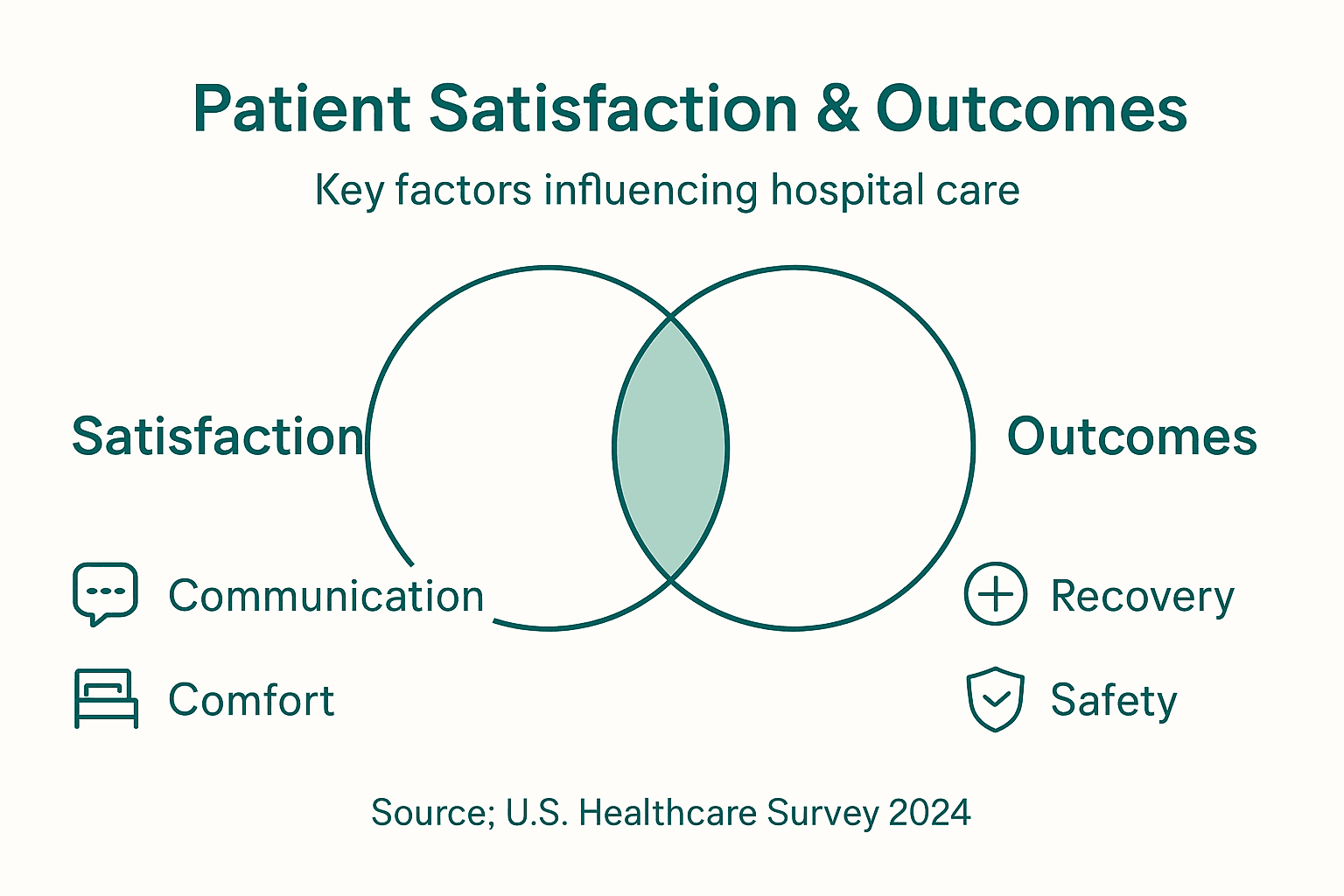
Patient satisfaction and health outcomes represent complex, interconnected dimensions of healthcare quality that go far beyond simple medical treatment measurements. At its core, patient satisfaction encompasses a patient’s personal experience, emotional response, and perception of care received, while health outcomes focus on measurable changes in a patient’s medical status and overall wellbeing.
The Donabedian model provides a comprehensive framework for understanding these critical healthcare dimensions. This model breaks down healthcare quality into three essential categories: structure, process, and outcomes. Structure represents the healthcare environment, including facilities, staffing, and available resources. Process involves all interactions during medical care delivery, such as diagnosis, treatment protocols, and patient education. Outcomes ultimately measure the effects of healthcare interventions on patient health status, behavior, knowledge, and quality of life.
The Donabedian model categorizes healthcare quality. This summary highlights its main components:
| Category | Description | Real-World Example |
|---|---|---|
| Structure | Healthcare facilities, staff, and resources | Hospital infrastructure |
| Process | Interactions and procedures during care | Patient education sessions |
| Outcomes | Results of healthcare interventions | Lower infection rates |
Modern healthcare increasingly recognizes that patient satisfaction is not merely a subjective feeling but a critical indicator of care quality. Research demonstrates that patients who feel respected, heard, and actively involved in their treatment are more likely to adhere to medical recommendations, experience better clinical results, and report higher overall satisfaction. Hospitals now utilize sophisticated measurement tools to capture nuanced patient experiences, tracking metrics that range from communication quality to treatment effectiveness.
Pro tip: Implement systematic patient feedback mechanisms that capture both quantitative metrics and qualitative insights to continuously improve healthcare delivery and patient experience.
Types And Measurement Of Patient Satisfaction
Patient satisfaction measurement is a nuanced process that encompasses multiple dimensions of healthcare interaction. At its core, satisfaction assessment goes beyond simple numerical ratings, diving deep into the qualitative and quantitative experiences patients encounter during medical treatment. Healthcare providers recognize that understanding patient perspectives requires sophisticated, multifaceted evaluation techniques.
Patient experience measurement involves capturing comprehensive insights across several critical domains. These domains include communication quality, cultural responsiveness, access to care, shared decision-making, and overall treatment effectiveness. Modern healthcare systems utilize structured survey instruments, in-depth interviews, and advanced analytics to transform patient feedback into actionable intelligence that drives continuous improvement.
The measurement process typically involves several key methodological approaches. Standardized questionnaires designed with validated research techniques assess patients’ perceptions across multiple touchpoints. These instruments capture both objective events and subjective emotional responses, creating a holistic view of patient interactions. Statistical analysis helps healthcare administrators identify patterns, trends, and areas requiring immediate attention or systemic enhancement.
Technological innovations have dramatically transformed patient satisfaction assessment. Electronic health records, real-time feedback platforms, and machine learning algorithms now enable more precise, immediate, and contextually rich data collection. Hospitals can now track patient sentiments with unprecedented granularity, allowing for rapid, targeted interventions that meaningfully improve care delivery.
Here is a comparison of traditional vs. technology-enabled patient satisfaction measurement methods:
| Attribute | Traditional Methods | Technology-Enabled Methods |
|---|---|---|
| Data Collection Speed | Slow, periodic | Real-time, continuous |
| Depth of Insights | Limited, mostly quantitative | Rich, qualitative and quantitative |
| Personalization | Generic questionnaires | Tailored, dynamic feedback |
| Analytical Capability | Manual, basic statistics | Advanced analytics, machine learning |
Pro tip: Implement a comprehensive feedback system that combines quantitative metrics with qualitative narratives to gain deeper insights into patient experience and satisfaction.
Logistics And Operations Shaping Health Outcomes
Healthcare logistics represent a critical infrastructure that directly influences patient health outcomes, transforming how medical services are delivered and experienced. These operational systems go far beyond simple transportation, encompassing complex networks of coordination, communication, and strategic resource management that can dramatically impact treatment effectiveness and patient recovery.

Healthcare operations research reveals that strategic logistics interventions can significantly improve patient care by addressing critical inefficiencies in healthcare delivery. Advanced analytics and workflow optimization techniques enable hospitals to create more responsive, patient-centered care models that reduce treatment delays, minimize medical errors, and enhance overall treatment continuity.
The intersection of technology and operational efficiency has revolutionized healthcare logistics. Sophisticated tracking systems, real-time communication platforms, and predictive analytics now allow healthcare providers to anticipate patient needs, streamline service delivery, and create more personalized treatment pathways. These technological innovations help hospitals manage complex patient journeys, from initial diagnosis through comprehensive rehabilitation, ensuring that each stage of care is precisely coordinated and individually tailored.
Modern healthcare logistics also recognize the broader context of patient health, incorporating social determinants and holistic care strategies. By integrating data from multiple sources and developing comprehensive care coordination models, hospitals can address systemic challenges that traditionally impede effective treatment. This approach transforms logistics from a purely administrative function into a strategic tool for improving patient outcomes and reducing overall healthcare system inefficiencies.
Pro tip: Invest in integrated digital platforms that provide end-to-end visibility and real-time coordination across different healthcare service providers and treatment stages.
Technology Integration For Better Patient Experiences
Technology has become a transformative force in healthcare, fundamentally reshaping how patients interact with medical systems and receive care. Digital innovations are creating more personalized, efficient, and responsive healthcare experiences that prioritize patient comfort, accessibility, and engagement throughout their medical journey.
Digital information ecosystems are revolutionizing patient care by breaking down traditional communication barriers between healthcare providers. Advanced technological platforms enable seamless information sharing, real-time communication, and more comprehensive patient tracking, allowing medical professionals to develop more nuanced, individualized treatment strategies that respond dynamically to patient needs.
Artificial intelligence and machine learning are emerging as powerful tools for enhancing patient experiences. These technologies can predict patient risks, streamline administrative processes, and provide more accurate diagnostic insights. By analyzing complex healthcare data, AI systems help reduce medical errors, optimize treatment protocols, and create more personalized care pathways that consider individual patient characteristics, medical histories, and potential future health challenges.
The integration of digital technologies also addresses critical healthcare accessibility challenges. Patient portals, telehealth platforms, and mobile health applications are expanding healthcare reach, particularly for patients in remote or underserved regions. These technological solutions provide unprecedented access to medical information, enable remote consultations, and empower patients to take more active roles in managing their personal health and wellness.
Pro tip: Prioritize interoperable technologies that can seamlessly integrate across different healthcare platforms and provide comprehensive, patient-centered digital experiences.
Common Risks And Compliance Challenges
Healthcare organizations face increasingly complex regulatory landscapes that demand sophisticated risk management strategies. These challenges extend far beyond traditional administrative compliance, requiring comprehensive approaches that integrate legal, technological, and ethical considerations to protect patient welfare and organizational integrity.
Healthcare compliance involves multiple regulatory frameworks designed to prevent fraud, ensure patient safety, and maintain ethical standards. Critical regulations like HIPAA, HITECH, and the Anti-Kickback Statute create intricate compliance requirements that hospitals must navigate carefully. Each regulation carries significant financial and legal consequences for non-compliance, making comprehensive risk management an essential strategic priority.
Cybersecurity represents a particularly critical compliance challenge in modern healthcare settings. Electronic health records, interconnected medical systems, and increasing digital patient interactions create complex vulnerabilities that sophisticated cybercriminals can potentially exploit. Hospitals must develop robust security protocols that protect sensitive patient data while maintaining seamless information flow necessary for effective treatment and care coordination.
Effective risk management demands a proactive, holistic approach that integrates technological solutions, staff training, and continuous organizational learning. This requires developing adaptive compliance strategies that can respond quickly to evolving regulatory requirements, technological innovations, and emerging healthcare delivery models. Successful organizations view compliance not as a bureaucratic burden but as a strategic opportunity to enhance patient trust, organizational resilience, and overall healthcare quality.
Pro tip: Implement a comprehensive compliance management system that provides real-time regulatory updates, automated monitoring, and integrated staff training modules.
Elevate Patient Satisfaction and Health Outcomes with Smarter Healthcare Logistics
The article highlights that improving patient satisfaction and health outcomes relies heavily on seamless coordination, effective communication, and operational efficiency within healthcare delivery. Patients benefit when healthcare providers reduce delays, optimize scheduling, and ensure real-time updates throughout the care journey. VectorCare understands these critical challenges and offers a comprehensive digital platform designed to transform patient logistics across transportation, home health services, and durable medical equipment management. By embracing VectorCare’s AI-driven dispatching and integrated tools, healthcare organizations can lower operational costs and boost patient engagement, directly addressing the pain points of care fragmentation and process inefficiencies.
Ready to revolutionize how your healthcare facility manages patient care coordination and logistics? Explore how VectorCare’s platform supports hospitals, payers, and emergency services with user-friendly no-code workflows and actionable data insights. Take the first step toward delivering better patient experiences and measurable health outcomes by visiting VectorCare today. Learn more about our solutions that streamline operations at VectorCare and find out how your team can benefit from automation and real-time communication now.
Frequently Asked Questions
What is the definition of patient satisfaction?
Patient satisfaction encompasses a patient’s experience, emotional response, and perception of the care received during medical treatment.
How are health outcomes measured in healthcare?
Health outcomes are measured by assessing the effects of healthcare interventions on a patient’s medical status, behavior, knowledge, and quality of life.
What role does technology play in improving patient satisfaction?
Technology enhances patient satisfaction by providing real-time communication, personalized care pathways, and improving access to healthcare services through digital platforms.
How can hospitals improve their patient satisfaction scores?
Hospitals can improve patient satisfaction scores by implementing systematic feedback mechanisms, enhancing communication, and optimizing logistics and operational processes to better meet patient needs.