Non Medical Wheelchair Transportation: Streamlining Patient Mobility
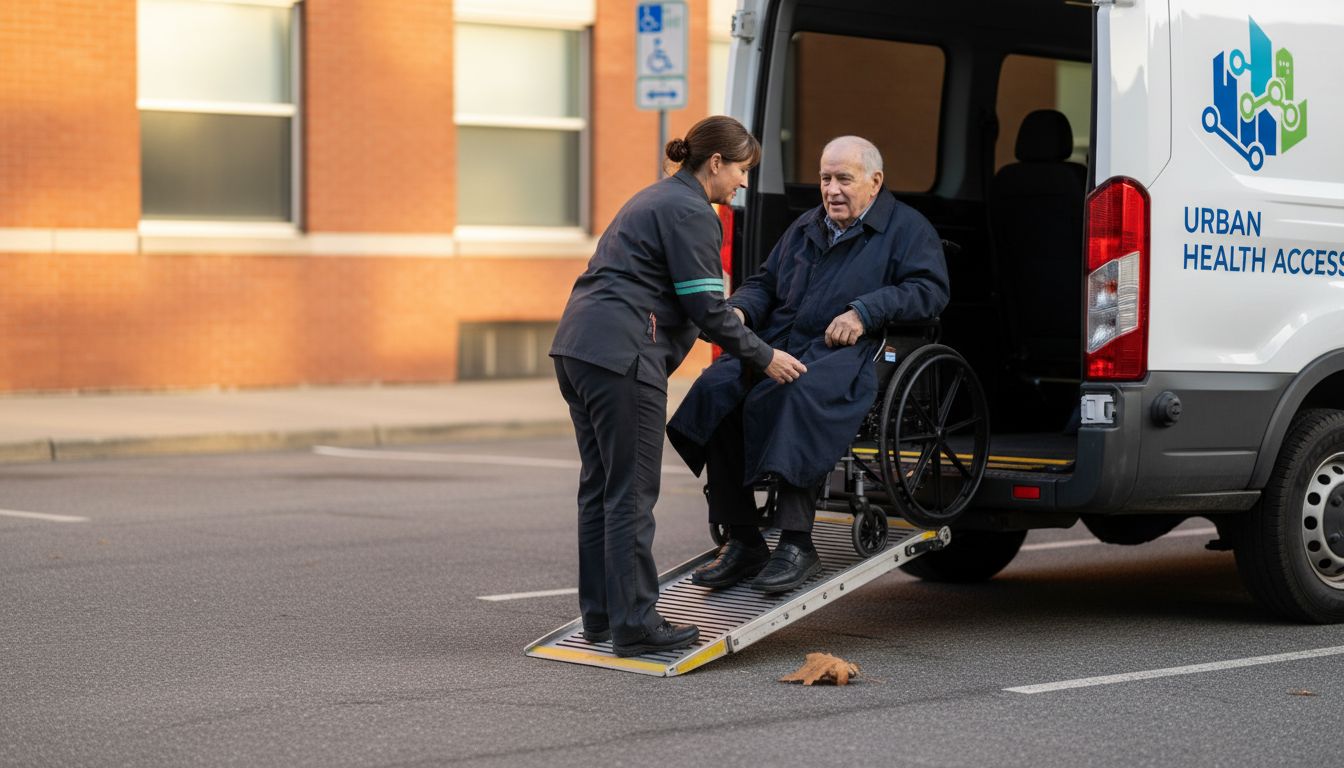
More than 3 million American adults rely on a wheelchair every year, yet finding reliable non-medical transportation remains a frustrating challenge for many families. Everyday trips to the doctor, social gatherings, or shopping become overwhelming obstacles without the right support. This article unpacks how dedicated non-emergency wheelchair transportation services bridge the gap, offering safety, independence, and peace of mind well beyond standard medical transit.
Table of Contents
- Defining Non Medical Wheelchair Transportation
- Types of Services and Key Distinctions
- Scheduling, Coordination, and Logistics Solutions
- Regulations and ADA Compliance Requirements
- Cost Structures and Provider Responsibilities
Key Takeaways
| Point | Details |
|---|---|
| Non-Medical Wheelchair Transportation | Provides specialized services for individuals with mobility challenges, focusing on routine, scheduled transport rather than emergency medical needs. |
| Types of Services | Encompasses various vehicle types and models, including wheelchair-accessible vans and specialized transport vehicles. |
| Logistics and Coordination | Effective NEMT logistics rely on centralized dispatch, digital scheduling, and real-time vehicle tracking to optimize patient mobility. |
| Regulatory Compliance | Adheres to ADA requirements to ensure accessibility, staff training, and non-discrimination in transportation services. |
Defining Non Medical Wheelchair Transportation
Non Medical Wheelchair Transportation represents a specialized mobility service designed to help individuals with mobility challenges move safely and comfortably outside traditional medical transit systems. Unlike emergency medical transportation, these services focus on providing routine, scheduled transportation for individuals who require wheelchair assistance but do not need immediate medical intervention.
Typically, non-emergency wheelchair transportation encompasses a range of vehicle types and service models tailored to diverse patient needs. These services may include:
- Wheelchair-accessible vans
- Modified passenger vehicles
- Specialized transport vehicles with lift mechanisms
- Trained drivers experienced in assisting mobility-impaired passengers
The primary objective of non-medical wheelchair transportation is to ensure individuals with mobility limitations can maintain independence, attend personal appointments, social events, and perform daily activities. Understanding non-medical transportation requires recognizing that these services bridge critical mobility gaps for seniors, disabled individuals, and patients recovering from medical procedures.
Under Medicaid guidelines, non-emergency medical transportation serves as a mandatory benefit designed to help enrollees without alternative transportation access necessary services. This framework ensures that mobility-challenged individuals can receive consistent, reliable transportation support that promotes community engagement and personal autonomy.
Types of Services and Key Distinctions
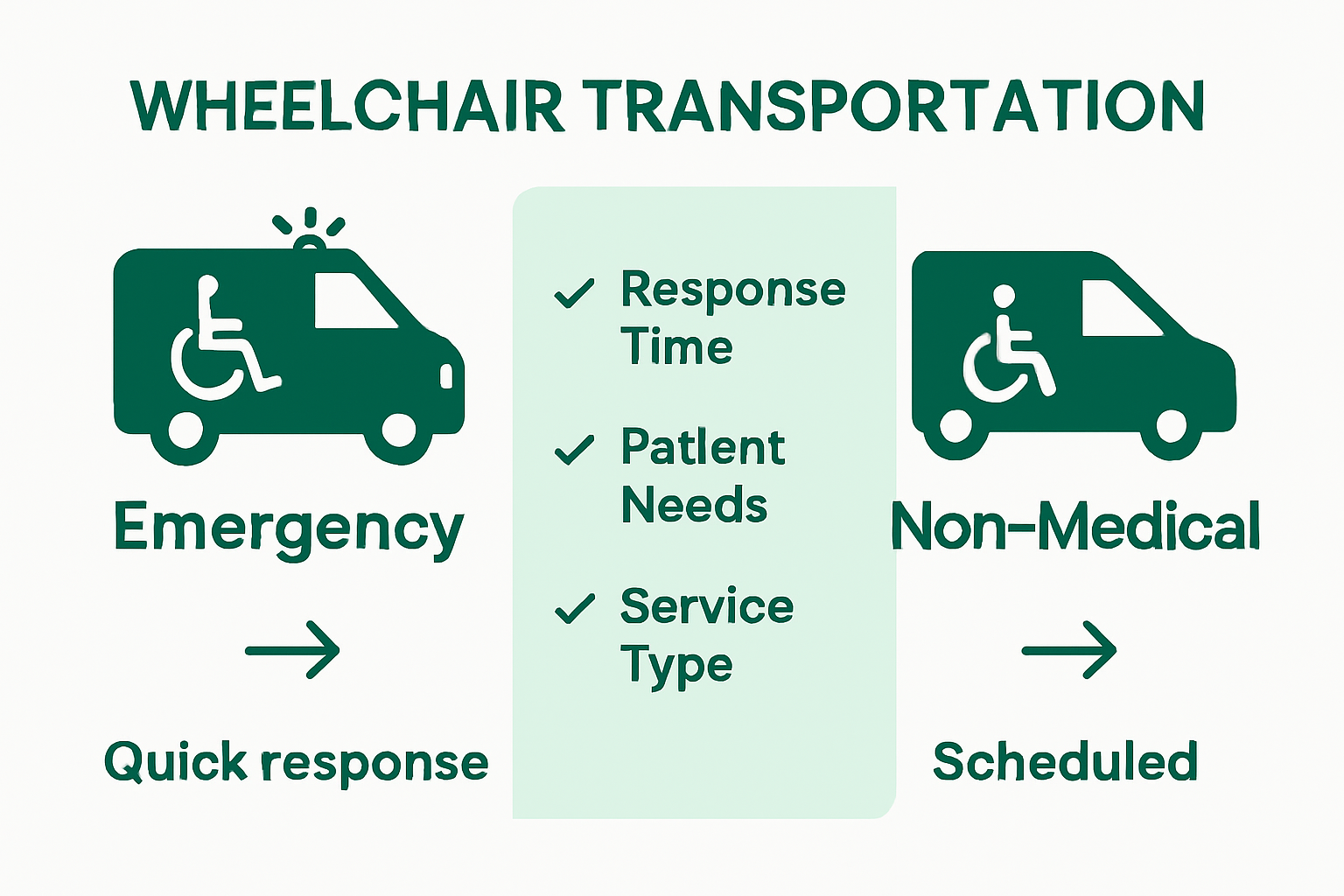
Non-Emergency Medical Transportation (NEMT) encompasses a diverse array of specialized transportation services designed to meet the unique mobility needs of patients who do not require urgent medical intervention. These services are critically distinguished from emergency medical transportation by their focus on scheduled, planned transportation for routine healthcare access.
Non-emergency medical transportation services typically include multiple transportation modes tailored to individual patient requirements:
- Wheelchair-Accessible Vans: Equipped with specialized lift mechanisms and secure wheelchair restraints
- Paratransit Vehicles: Modified passenger vehicles designed for mobility-challenged individuals
- Sedan and SUV Services: For patients requiring minimal mobility assistance
- Public Transit Accommodations: Specialized transit options with wheelchair accessibility
The key distinction between emergency and non-emergency transportation lies in the urgency and medical complexity of the service. While emergency transportation responds to immediate, life-threatening situations, NEMT services focus on enabling consistent healthcare access for individuals who lack independent transportation options. These services are particularly crucial for seniors, disabled individuals, and patients with chronic conditions who require regular medical appointments.
Understanding the nuanced spectrum of transportation services helps healthcare providers, patients, and insurance administrators effectively coordinate mobility support. By recognizing the specific needs of each patient, NEMT services can provide personalized, dignified transportation solutions that promote healthcare engagement and individual independence.
Scheduling, Coordination, and Logistics Solutions
Non-Emergency Medical Transportation (NEMT) logistics represent a complex ecosystem of strategic planning and technological coordination designed to optimize patient mobility and healthcare access. Effective scheduling systems require intricate management of multiple interconnected components to ensure reliable, efficient transportation for patients with diverse mobility needs.
The core logistics infrastructure for NEMT typically involves several critical elements:
- Centralized Dispatch Centers: Coordinate real-time transportation requests
- Digital Scheduling Platforms: Enable precise route optimization
- Patient Profile Management: Track individual mobility requirements
- Vehicle Fleet Tracking: Monitor transportation assets in real time
- Compliance Verification Systems: Ensure regulatory and safety standards
Transportation brokers play a pivotal role in managing these complex logistics networks. These specialized intermediaries develop sophisticated algorithms and communication protocols that match patient needs with appropriate transportation resources, simultaneously controlling operational costs and preventing potential service disruptions.

Modern NEMT logistics solutions leverage advanced technologies like geospatial mapping, predictive analytics, and integrated communication platforms to create a seamless transportation experience. By combining real-time data processing with patient-specific customization, these systems can dramatically reduce wait times, minimize transportation gaps, and provide more dignified, reliable mobility support for individuals with specialized transportation requirements.
Regulations and ADA Compliance Requirements
Non-Medical Wheelchair Transportation operates within a complex regulatory framework designed to protect the rights and dignity of individuals with mobility challenges. ADA regulations mandate comprehensive accessibility standards that transportation providers must meticulously implement across their entire service infrastructure.
Key regulatory compliance requirements include:
- Vehicle Accessibility: Mandatory wheelchair-compatible modifications
- Staff Training: Comprehensive disability awareness and assistance protocols
- Equipment Standards: Specialized lift mechanisms and securing systems
- Non-Discrimination Policies: Ensuring equal transportation access
- Passenger Support: Individualized assistance protocols
Federal and state regulations establish rigorous guidelines that transportation providers must navigate. These requirements extend beyond physical accommodations, encompassing communication protocols, staff training, and systematic approaches to ensuring dignified, comprehensive mobility support for individuals with diverse physical capabilities.
Compliance is not merely a legal obligation but a fundamental commitment to inclusive transportation. By adhering to ADA standards, non-medical wheelchair transportation services create an environment that respects individual autonomy, promotes independence, and ensures that mobility challenges do not become barriers to essential healthcare access, personal appointments, or community engagement.
Cost Structures and Provider Responsibilities
Non-Medical Wheelchair Transportation represents a complex financial ecosystem where cost management intersects with critical service delivery responsibilities. State-level transportation models demonstrate significant variations in how providers structure and manage transportation services, balancing economic efficiency with patient mobility needs.
Key financial and operational responsibilities include:
- Cost Allocation: Precise budgeting for vehicle maintenance
- Pricing Strategies: Developing competitive yet sustainable service rates
- Operational Efficiency: Minimizing unnecessary transportation expenses
- Compliance Management: Adhering to state and federal regulatory requirements
- Technology Investment: Implementing cost-effective logistics platforms
NEMT expenditures represent a nuanced segment of healthcare spending, typically constituting a small but critical fraction of overall Medicaid budgets. Providers must strategically navigate complex reimbursement frameworks, implementing innovative technologies and operational models that simultaneously reduce costs and enhance service quality.
Successful non-medical wheelchair transportation providers recognize that financial sustainability is intrinsically linked to patient outcomes. By developing adaptive cost structures that prioritize both economic prudence and comprehensive patient support, these organizations create value that extends far beyond traditional transportation services, ultimately contributing to more accessible and efficient healthcare mobility solutions.
Enhance Non Medical Wheelchair Transportation with Smarter Patient Mobility Solutions
The challenge of coordinating non medical wheelchair transportation involves managing complex scheduling, ensuring ADA compliance, and controlling operational costs while maintaining patient dignity and independence. This article highlights key pain points like inefficient logistics, regulatory requirements, and the need for reliable, real-time communication to support diverse patient mobility needs. VectorCare’s integrated platform directly addresses these critical issues by offering automated scheduling optimization, AI-driven dispatching, and secure communication tools designed specifically for healthcare logistics.
Experience the power of a solution that streamlines patient transportation management by reducing delays and minimizing administrative burden. With VectorCare, you gain a scalable and compliant system tailored to support your unique patient profiles and regulatory demands. Discover how our robust platform can transform your non medical wheelchair transportation services into efficient, patient-focused operations.
See the difference intelligent coordination can make.
Take the first step to improve your patient transportation logistics today by exploring VectorCare’s comprehensive digital platform. Learn more about how our features for scheduling optimization and real-time updates will revolutionize your workflow and enhance patient care. Visit VectorCare now and empower your organization with modern, seamless mobility management solutions.
Frequently Asked Questions
What is non-medical wheelchair transportation?
Non-medical wheelchair transportation provides specialized mobility services for individuals with mobility challenges who require assistance getting to appointments or events without needing immediate medical intervention.
What types of vehicles are used for non-emergency medical transportation?
Vehicles commonly used include wheelchair-accessible vans, modified passenger vehicles, paratransit vehicles, and specialized transport vehicles equipped with lift mechanisms.
How is non-emergency medical transportation scheduled and coordinated?
Transportation is typically coordinated through centralized dispatch centers using digital scheduling platforms that optimize routes, track patient profiles, and monitor vehicle fleets to ensure timely service.
What regulations govern non-medical wheelchair transportation services?
Non-medical wheelchair transportation services must comply with ADA regulations, which mandate accessibility standards, staff training, vehicle modifications, and non-discrimination policies to support individuals with mobility challenges.
Recommended
- Non Emergency Wheelchair Transportation Guide
- How Technology is Transforming Patient Logistics for SNFs | VectorCare
- 7 Ways to Lower NEMT costs for Medicare Advantage plans | VectorCare
- Maximizing Efficiencies Through Better Patient Logistics | VectorCare
- Massage Therapy for Mobility: Enhance Movement and Flexibility - Verdure Registered Massage Therapy
- Essential House Moving Checklist for Seniors in 2025 | Schott Removals