Non Emergency Medical Transportation Long Distance – Improving Patient Access
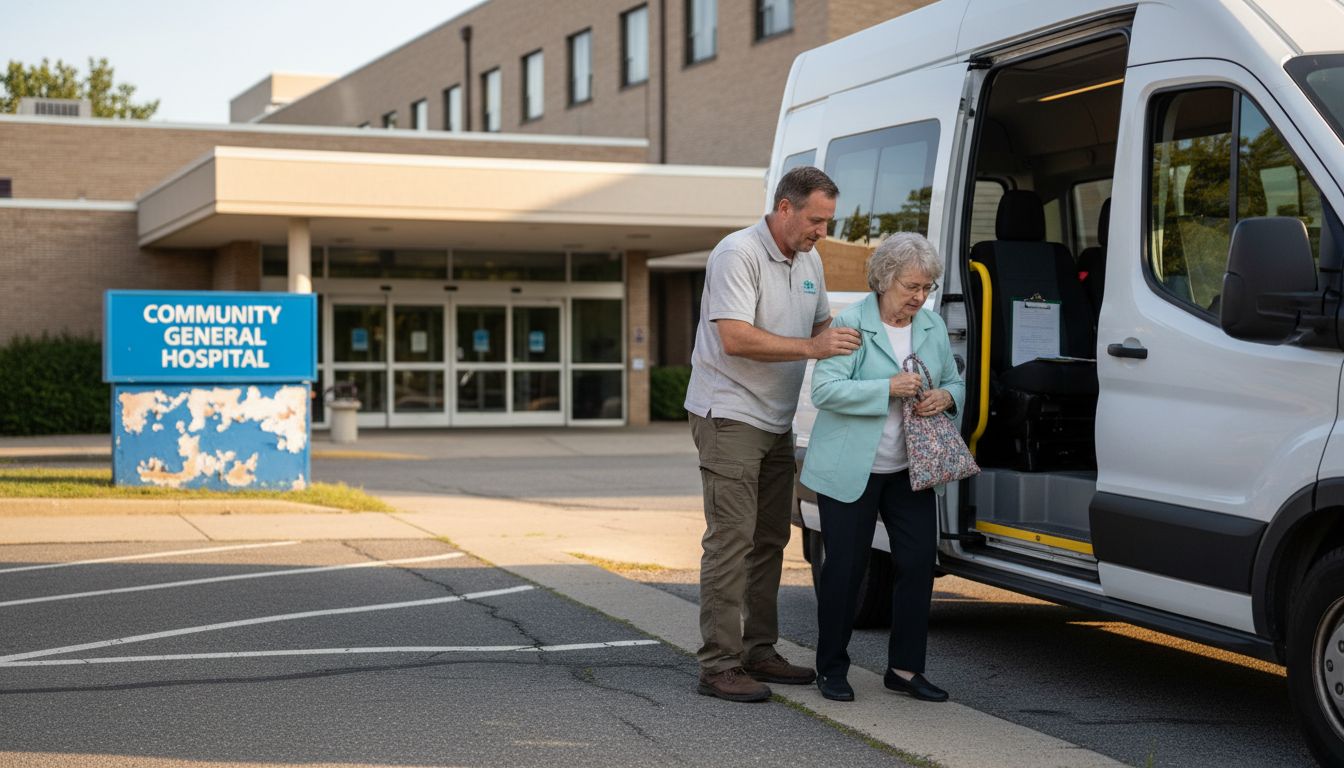
Every year, millions of American patients rely on specialized transport to reach vital healthcare not found in their hometowns. For those facing chronic conditions or needing advanced treatment far from home, access to non-emergency medical transportation often means the difference between consistent care and missed opportunities. With over 60 percent of rural American communities experiencing transportation barriers, understanding the role of long-distance NEMT reveals how it connects vulnerable populations to life-changing medical services.
Table of Contents
- Defining Long-Distance Non Emergency Medical Transportation
- Types of Services and Patient Eligibility
- Key Technology and Scheduling Innovations
- Compliance, Safety, and Legal Requirements
- Cost Structures and Reimbursement Insights
Key Takeaways
| Point | Details |
|---|---|
| Importance of NEMT | Non-emergency medical transportation (NEMT) is essential for helping patients access necessary medical services when traditional transportation is unavailable. |
| Diverse Transportation Options | Various transportation modes, including wheelchair-accessible vans and modified buses, cater to different patient needs, ensuring equitable access to healthcare. |
| Technology Integration | Advancements in digital scheduling and AI have improved efficiency in NEMT services, enabling real-time tracking and optimized routing for better patient experiences. |
| Regulatory Compliance | NEMT providers must adhere to strict safety protocols and state regulations to protect patient safety and achieve equitable healthcare access. |
Defining Long-Distance Non Emergency Medical Transportation
Non-emergency medical transportation (NEMT) represents a crucial healthcare service designed to support patients who require medical assistance but do not need immediate emergency intervention. Medicaid defines NEMT as a specialized transportation benefit enabling patients to access necessary medical services when traditional transportation options are unavailable.
Long-distance NEMT specifically addresses transportation needs for patients requiring medical care beyond their local geographic area. This service becomes essential for individuals with chronic conditions, specialized treatment requirements, or those seeking medical expertise not available in their immediate community. Common destinations for NEMT services include physician offices, diagnostic centers, residential care facilities, dialysis centers, and hospitals, with transportation modes ranging from taxis and buses to specialized medical vans.
The core purpose of long-distance NEMT extends far beyond simple transportation. It represents a critical healthcare access solution for vulnerable populations who might otherwise be unable to receive necessary medical treatment. These services accommodate patients with mobility challenges, financial constraints, or limited personal transportation resources, ensuring equitable healthcare access across diverse geographic regions.
Pro Tip: Research Local NEMT Providers: Before scheduling long-distance medical transportation, contact multiple local NEMT providers to compare service quality, pricing, and specific accommodation options for your unique medical needs.
Types of Services and Patient Eligibility
Non-Emergency Medical Transportation (NEMT) services offer diverse transportation options designed to meet the unique needs of patients with limited mobility or transportation access. State Medicaid programs mandate comprehensive transportation services to ensure patients can reach critical medical appointments, regardless of their personal transportation constraints.
Transportation modes in long-distance NEMT are extensive and include specialized vehicles tailored to different patient requirements. These services typically encompass wheelchair-accessible vans, sedans with mobility assistance, stretcher-equipped vehicles for patients requiring horizontal transport, and modified buses capable of accommodating multiple passengers with varying medical needs. NEMT services include taxis, buses, vans, and personal vehicle reimbursement to provide maximum flexibility for patients.
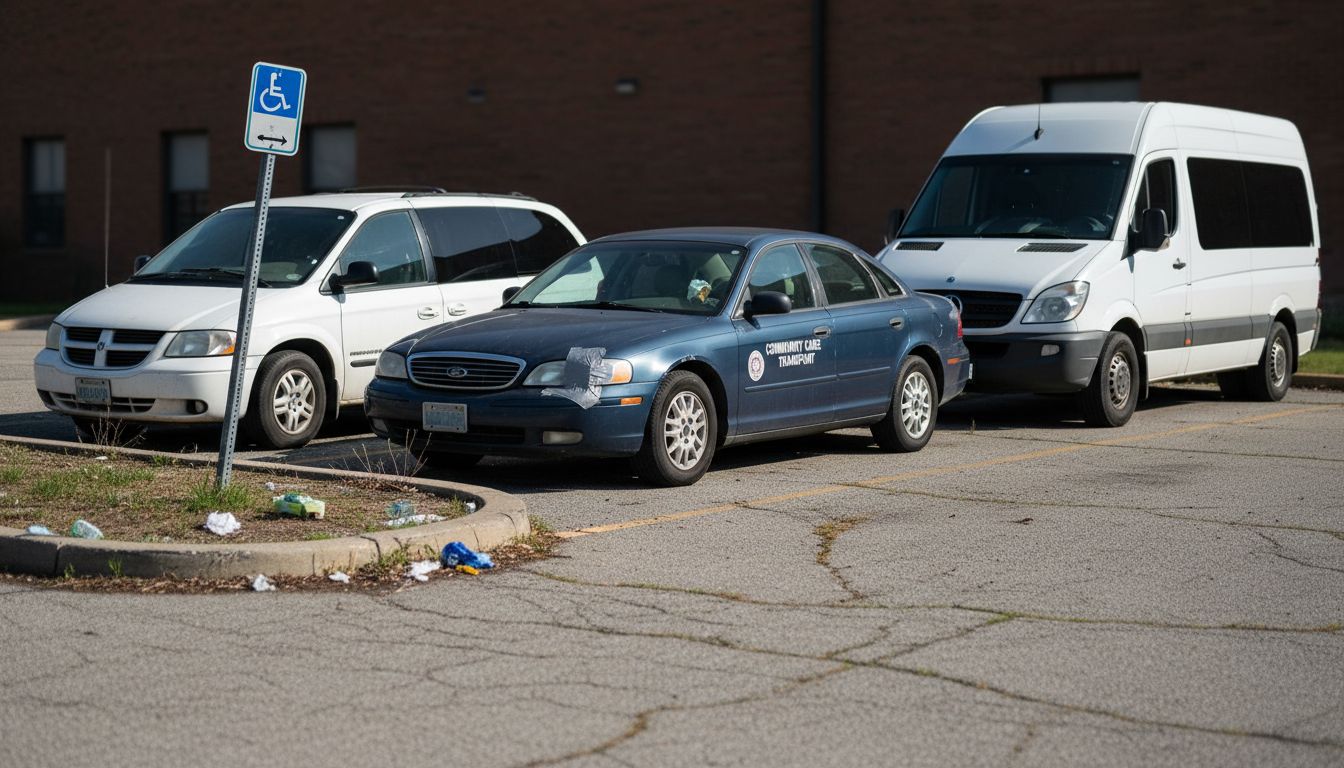
Here’s a summary of vehicle types and their primary patient applications in long-distance NEMT:
| Vehicle Type | Patient Profile | Key Advantages |
|---|---|---|
| Wheelchair-accessible van | Patients with limited mobility | Easy boarding, stable seating |
| Stretcher-equipped vehicle | Non-ambulatory or bedbound patients | Continuous support, safety |
| Sedan with mobility aid | Ambulatory patients needing assistance | Comfort with basic help |
| Modified bus | Groups with mixed needs | Multiple accommodations |
Patient eligibility for NEMT services primarily centers on demonstrating a genuine transportation barrier preventing access to medical care. Typical qualifying factors include income level, medical condition severity, lack of personal transportation, mobility limitations, and specific healthcare treatment requirements. Most programs prioritize Medicaid recipients, individuals with chronic conditions, seniors, people with disabilities, and patients requiring specialized medical treatments unavailable in their immediate geographic region.
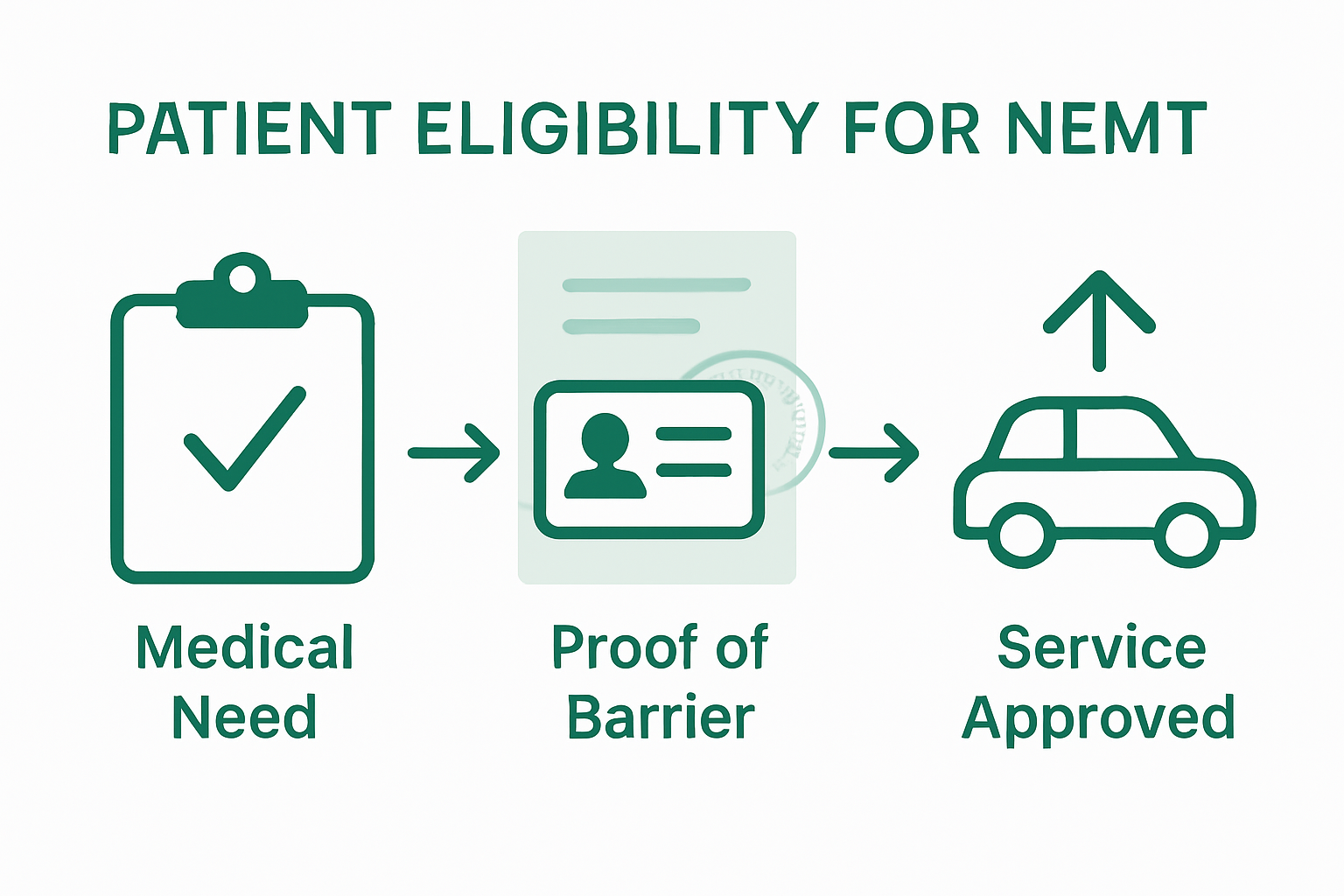
Pro Tip: Documentation Preparation: Gather all necessary medical documentation, proof of income, and transportation need verification before applying for NEMT services to streamline the eligibility assessment process.
Key Technology and Scheduling Innovations
Non-Emergency Medical Transportation (NEMT) technology has undergone a remarkable transformation, leveraging advanced computational methods to optimize patient transportation logistics. Innovative mixed integer programming approaches now enable transportation departments to minimize user waiting times and reduce operational costs, dramatically improving the efficiency of long-distance medical transportation services.
Digital scheduling platforms have revolutionized NEMT service delivery by introducing real-time tracking, automated route optimization, and intelligent resource allocation. These technological innovations integrate sophisticated algorithms that consider multiple variables such as patient medical requirements, vehicle availability, geographical constraints, and individual mobility needs. Advanced dispatch systems now utilize machine learning techniques to predict transportation demand, dynamically adjust vehicle assignments, and ensure the most appropriate transportation solution for each patient.
The following table contrasts traditional and technology-driven scheduling in NEMT services:
| Scheduling Approach | Main Features | Efficiency Impact |
|---|---|---|
| Manual (Traditional) | Phone bookings, paper logs | Prone to errors, slower |
| Digital (Technology-based) | Real-time tracking, route optimization | Faster response, cost savings |
| AI/ML Enhanced | Predictive demand, adaptive routing | Optimal resource use |
Patient-Centered Technology represents the next frontier in NEMT innovations. Emerging ambulance allocation models support multiple care pathways by aligning transportation resources with individual patient needs, creating more personalized and responsive medical transportation networks. These systems go beyond traditional scheduling by incorporating predictive analytics, real-time health data integration, and adaptive routing strategies that prioritize patient comfort and medical safety.
Pro Tip: Technology Readiness Check: Regularly assess your NEMT technology infrastructure, ensuring your scheduling platforms can integrate emerging AI and machine learning capabilities to stay ahead of evolving patient transportation needs.
Compliance, Safety, and Legal Requirements
Non-Emergency Medical Transportation (NEMT) operates within a complex regulatory framework designed to protect patient safety and ensure equitable healthcare access. Federal Medicaid regulations mandate that states provide comprehensive transportation services, establishing clear guidelines for service delivery, eligibility criteria, and operational standards that transportation providers must consistently meet.
Safety Protocols represent a critical component of NEMT legal requirements. Transportation providers must adhere to rigorous standards including driver background checks, vehicle maintenance regulations, medical equipment certification, patient handling procedures, and comprehensive insurance coverage. These requirements extend beyond traditional transportation regulations, incorporating specialized medical transportation guidelines that prioritize patient vulnerability, mobility limitations, and potential healthcare complications during transit.
State-level legal mandates require detailed implementation of NEMT service models, ensuring that transportation services align with broader healthcare accessibility goals. Compliance involves multiple layers of regulatory oversight, including documentation verification, patient privacy protection, accessibility standards, and continuous performance monitoring. These frameworks protect both patients and transportation providers by establishing clear expectations, liability parameters, and quality assurance mechanisms that maintain the highest standards of medical transportation service delivery.
Pro Tip: Compliance Audit Preparation: Develop a comprehensive internal audit checklist that systematically reviews all regulatory requirements, driver qualifications, vehicle standards, and patient safety protocols at least quarterly to proactively identify and address potential compliance gaps.
Cost Structures and Reimbursement Insights
Non-Emergency Medical Transportation (NEMT) financing represents a complex ecosystem of funding mechanisms designed to ensure accessible healthcare transportation for vulnerable populations. States utilize sophisticated delivery models, including third-party broker systems, to manage and control transportation service costs, creating dynamic frameworks that balance operational efficiency with patient care requirements.
Reimbursement strategies in NEMT services encompass multiple payment structures, including per-mile rates, flat-fee transportation allowances, and performance-based compensation models. These approaches vary significantly across different state Medicaid programs, reflecting regional healthcare infrastructure, population demographics, and budgetary constraints. Sophisticated pricing mechanisms often incorporate factors such as vehicle type, patient mobility requirements, distance traveled, and specialized medical equipment needed during transportation.
Medicaid-funded NEMT services implement comprehensive cost control strategies that go beyond simple transportation reimbursement. Advanced models include predictive cost analysis, route optimization algorithms, and data-driven performance metrics that help healthcare systems minimize unnecessary expenses while maintaining high-quality patient transportation services. These innovative approaches enable state agencies to create more transparent, accountable, and financially sustainable non-emergency medical transportation networks.
Pro Tip: Cost Optimization Strategy: Develop a comprehensive benchmarking system that regularly compares your NEMT service costs against regional and national standards, identifying potential efficiency improvements and cost-saving opportunities.
Elevate Long-Distance Non-Emergency Medical Transportation with Smarter Technology
The challenge of coordinating long-distance non-emergency medical transportation demands solutions that reduce patient delays, optimize scheduling, and ensure safety compliance. This article highlights the critical need for reliable transportation services that overcome geographical barriers while accommodating diverse patient mobility needs. Complexities like manual scheduling errors and regulatory demands are common pain points that strain providers and payers alike.
VectorCare’s digital platform is purpose-built to address these issues by offering AI-driven dispatching, real-time tracking, and automated route optimization. Transform your long-distance NEMT operations with tools designed to minimize user waiting times and lower operational costs. Our platform supports seamless coordination among healthcare providers, payers, and transportation vendors, ensuring every patient reaches their medical appointments without compromise.
Experience enhanced patient access and superior logistical control by exploring VectorCare’s integrated healthcare logistics solutions.
Ready to improve patient outcomes and operational efficiency in your non-emergency medical transportation services? Visit VectorCare today and discover how our compliant, scalable platform empowers your team to streamline scheduling, vendor management, and patient communication all in one place.
Frequently Asked Questions
What is long-distance non-emergency medical transportation (NEMT)?
Long-distance non-emergency medical transportation (NEMT) is a specialized transport service that helps patients access medical care beyond their local area, especially for those with chronic conditions or specific healthcare needs that are not met in their immediate community.
Who is eligible for long-distance NEMT services?
Eligibility for long-distance NEMT services typically involves demonstrating a transportation barrier to accessing medical care. Common qualifiers include income level, mobility limitations, chronic health conditions, and lack of personal transportation. Many programs prioritize Medicaid recipients and individuals needing specialized care.
What types of vehicles are used in long-distance NEMT?
Long-distance NEMT services utilize various vehicles tailored to patient needs, including wheelchair-accessible vans, stretcher-equipped vehicles, sedans with mobility assistance, and modified buses. Each type of vehicle offers different accommodations to ensure patient comfort and safety during transport.
How does technology improve long-distance NEMT services?
Technology enhances long-distance NEMT services through digital scheduling platforms that enable real-time tracking and automated route optimization. These innovations improve scheduling efficiency, reduce wait times, and allow for predictive demands, ensuring that the right resources are available to meet patient needs.