Non Ambulatory Transportation: Powering Patient Access
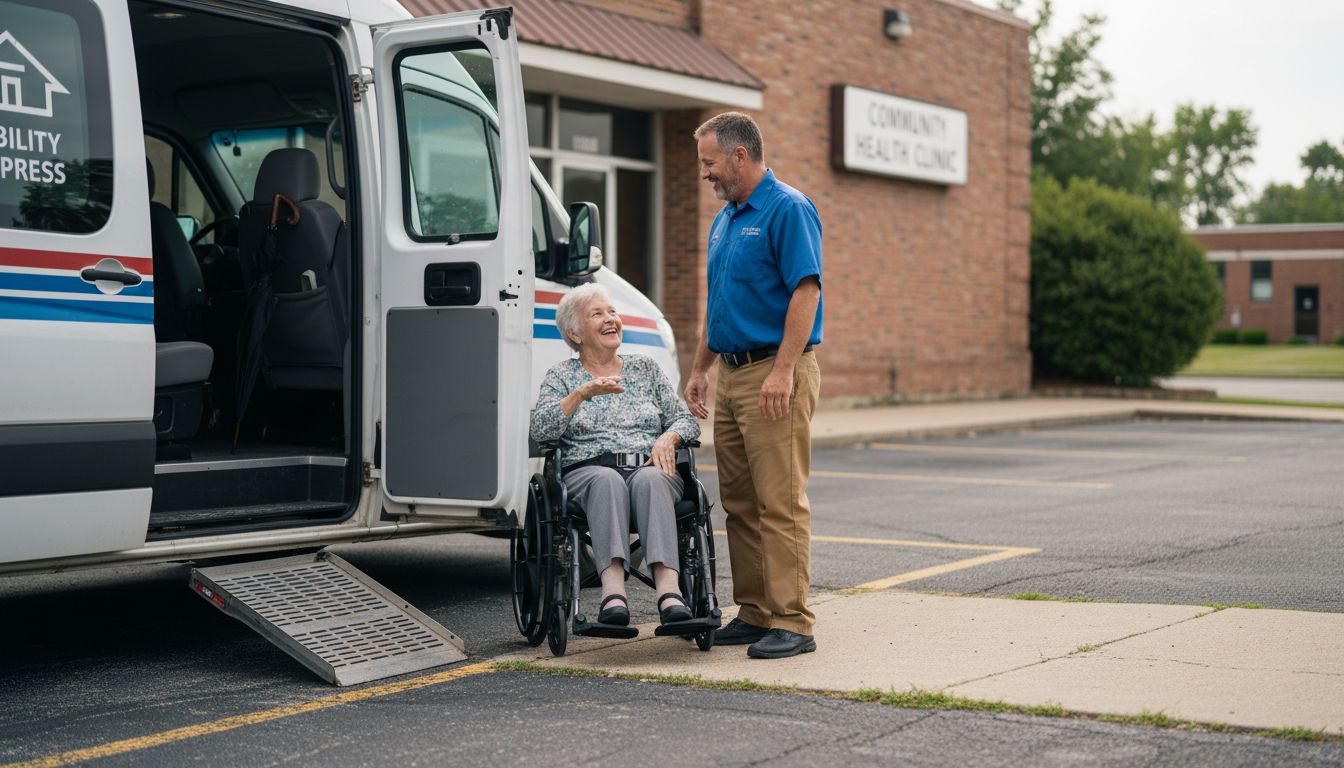
More than 25 million American adults have travel-limiting disabilities that affect their access to basic healthcare. For many, simply reaching a medical appointment requires more than a standard ride. Specialized non ambulatory transportation services have become a lifeline, helping patients with significant physical limitations travel safely and with dignity. Learn how these services bridge crucial gaps in healthcare access, from high-tech vehicles to strict safety standards and innovative digital tools.
Table of Contents
- Defining Non Ambulatory Transportation Services
- Types of Non Ambulatory Patient Transport
- How Digital Platforms Streamline Logistics
- Regulatory Compliance And Documentation Standards
- Cost Factors, Funding, And Reimbursement Issues
Key Takeaways
| Point | Details |
|---|---|
| Non Ambulatory Transportation Services Defined | These services offer essential mobility solutions for individuals with significant disabilities, ensuring safe transit to medical appointments. |
| Diverse Transportation Types | Various specialized vehicles, including wheelchair-accessible vans and stretcher-equipped vehicles, cater to unique patient needs. |
| Digital Platforms Enhance Efficiency | Technological advancements streamline logistics, optimize routes, and improve patient experience in non-ambulatory transportation. |
| Regulatory Compliance is Essential | Adhering to regulations ensures patient safety and service quality while protecting both patients and providers. |
Defining Non Ambulatory Transportation Services
Non ambulatory transportation services represent specialized mobility solutions designed to support individuals with significant physical limitations who cannot independently travel to medical appointments. These critical transportation services are engineered to provide safe, dignified transit for patients requiring comprehensive mobility assistance.
At their core, non ambulatory transportation services encompass a range of vehicle configurations and support mechanisms tailored to patients who use wheelchairs, mobility aids, or require direct physical assistance during transit. According to the National Academies of Sciences, Engineering, and Medicine, these services must incorporate specialized features like:
- Wheelchair lift systems
- Secure patient restraint mechanisms
- Wide doorways and interior space accommodations
- Trained personnel capable of patient transfer and support
The fundamental goal of non ambulatory transportation services extends beyond simple movement from one location to another. These services represent a critical healthcare access point for patients with physical disabilities, ensuring they can receive necessary medical treatments, diagnostic procedures, and ongoing healthcare management. By providing customized transportation solutions, these services help eliminate mobility barriers that might otherwise prevent patients from accessing essential healthcare resources.
Types of Non Ambulatory Patient Transport
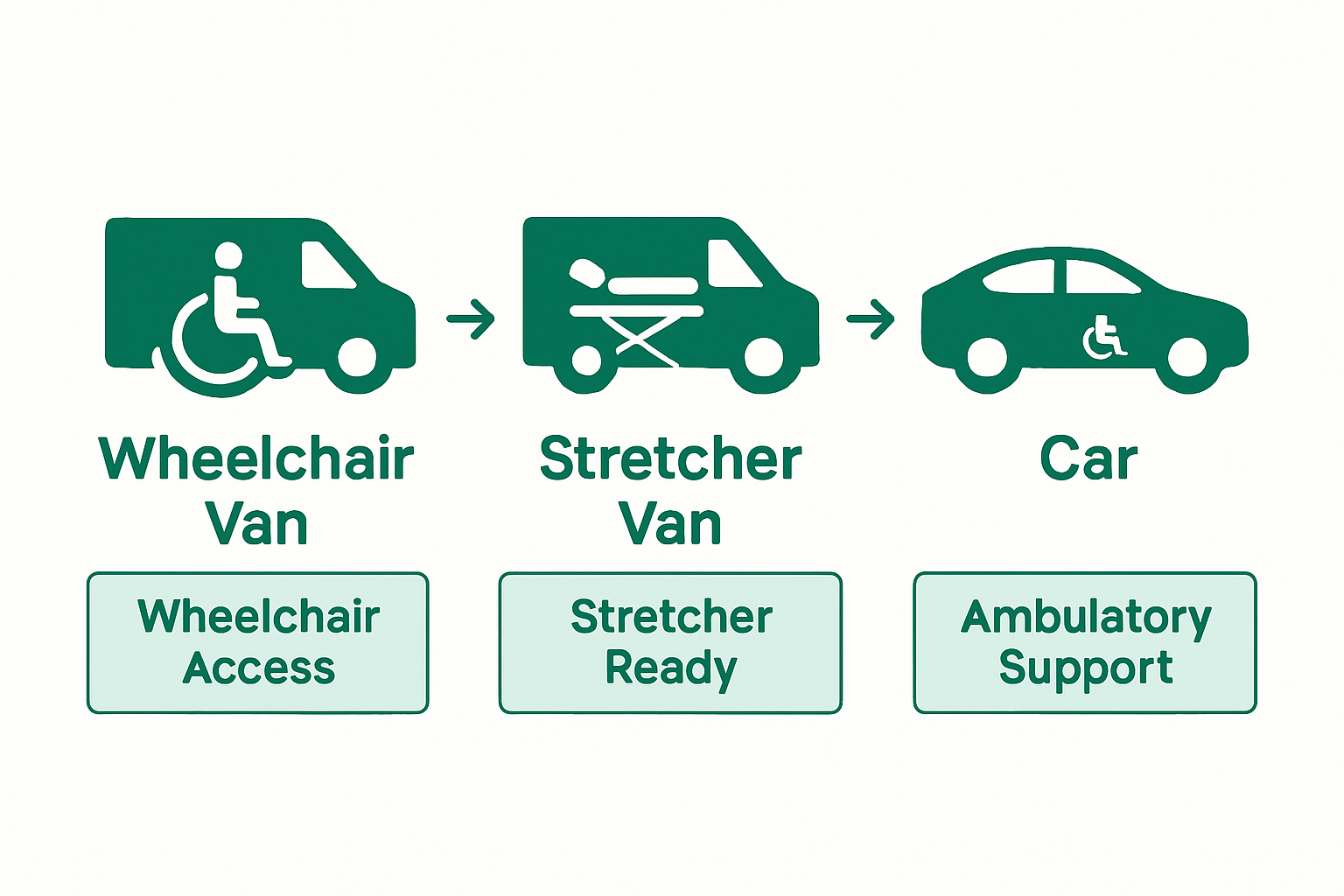
Non ambulatory patient transport encompasses a diverse range of specialized vehicle types and service models designed to address the unique mobility challenges faced by patients with limited physical movement. The National Academies’ research highlights several critical transportation configurations that serve different medical and mobility requirements.
These transportation types can be categorized into primary classifications:
- Wheelchair-Accessible Vans: Equipped with hydraulic lift systems and interior restraints for secure wheelchair transportation
- Stretcher-Equipped Vehicles: Designed for patients requiring full horizontal positioning during transit
- Paratransit Services: Customized transportation solutions providing door-to-door assistance for individuals with mobility limitations
- Community-Based Transportation Programs: Specialized shuttle services targeting specific patient populations
Research examining transportation patterns for adults with travel-limiting disabilities reveals that each transport type serves a unique patient segment. Non-emergency medical transportation (NEMT) vehicles, for instance, are engineered to accommodate patients who cannot use traditional transportation methods, ensuring they can access critical healthcare services without physical strain or risk. These specialized transport solutions go beyond simple movement, representing an essential healthcare access mechanism for patients with significant mobility challenges.
How Digital Platforms Streamline Logistics
Digital platforms have revolutionized non-ambulatory transportation logistics by introducing sophisticated technological solutions that dramatically improve service efficiency and patient experience. Transformational technologies are fundamentally reshaping mobility inclusion strategies through advanced scheduling, real-time tracking, and intelligent routing capabilities.
These digital platforms offer several key technological innovations:
- Real-Time Vehicle Tracking: Providing precise location updates for patients and healthcare providers
- Automated Scheduling: Optimizing route planning and minimizing transit times
- Predictive Routing: Analyzing traffic patterns and patient mobility requirements
- Integrated Communication Systems: Enabling seamless coordination between transportation providers, patients, and medical facilities
Research in medical transportation interventions demonstrates that digital platforms significantly improve service efficiency by reducing wait times and enhancing overall patient satisfaction. By leveraging artificial intelligence and machine learning algorithms, these platforms can dynamically adjust transportation logistics, accounting for individual patient needs, medical equipment requirements, and complex mobility constraints. The result is a more responsive, patient-centered transportation ecosystem that prioritizes accessibility, comfort, and reliable medical transit solutions.

Regulatory Compliance and Documentation Standards
Regulatory compliance forms the critical backbone of non-ambulatory transportation services, establishing a comprehensive framework that ensures patient safety, legal adherence, and service quality. Alternative transit agency regulations provide detailed guidelines governing non-ambulatory transportation, with the Americans with Disabilities Act (ADA) serving as the primary legal foundation for these critical standards.
Key regulatory compliance requirements include:
- Patient Safety Documentation: Comprehensive records of passenger mobility needs
- Vehicle Accessibility Verification: Detailed logs of wheelchair lift functionality and securement systems
- Staff Training Certification: Documented evidence of staff training in patient assistance and safety protocols
- Equipment Maintenance Records: Systematic documentation of vehicle and assistive equipment maintenance
Research examining wheelchair containment systems highlights the intricate safety standards that transportation providers must meticulously document and maintain. These standards go beyond mere paperwork, representing a critical mechanism for ensuring patient dignity, safety, and legal protection. Proper documentation serves not just as a regulatory requirement, but as a comprehensive risk management strategy that protects both patients and transportation providers by creating transparent, accountable transportation ecosystems.
Cost Factors, Funding, and Reimbursement Issues
Non-ambulatory transportation services operate within a complex financial landscape where funding mechanisms directly impact patient access and service quality. Cost factors in non-emergent medical transportation reveal significant economic challenges that shape the entire healthcare mobility ecosystem.
Key financial considerations include:
- Infrastructure Costs: Vehicle modifications, accessibility equipment
- Operational Expenses: Staff training, maintenance, fuel, insurance
- Reimbursement Complexity: Varying rates from Medicare, Medicaid, private insurers
- Patient Out-of-Pocket Expenses: Copayments, deductibles, uncovered transportation costs
Research exploring transportation patterns for adults with disabilities highlights the intricate financial barriers that can significantly restrict mobility options. The funding ecosystem involves multiple stakeholders including government agencies, healthcare providers, insurance companies, and non-profit organizations. Each plays a critical role in determining the economic viability of non-ambulatory transportation services. Financial constraints often create a challenging environment where the true cost of providing specialized transportation frequently exceeds available reimbursement rates, creating potential gaps in service availability and patient access.
Enhance Non Ambulatory Transportation with Streamlined Digital Solutions
Patients with significant mobility challenges depend on reliable non ambulatory transportation services to access essential healthcare. The article highlights critical pain points such as coordinating specialized vehicles, ensuring regulatory compliance, managing complex scheduling, and overcoming financial and operational burdens. These challenges can delay care and add stress for patients and providers alike. VectorCare offers an all-in-one digital platform designed to transform these complexities into seamless workflows. Our solution supports automated scheduling, real-time updates, and AI-driven dispatching that optimize resource use and reduce costly delays.
Ready to improve patient access and operational efficiency in your healthcare transportation services Today is the day to implement a system built for the unique demands of non ambulatory transport. Explore how VectorCare’s platform can power your logistics with scalable, compliant, and user-friendly tools. Discover impactful improvements in patient outcomes and cost savings by visiting VectorCare. Take the next step toward coordinated, compassionate care by connecting with us now.
Frequently Asked Questions
What are non ambulatory transportation services?
Non ambulatory transportation services are specialized mobility solutions designed for individuals with significant physical limitations who require assistance to travel to medical appointments, often utilizing vehicles equipped with wheelchair lift systems and trained personnel.
What types of vehicles are used for non ambulatory patient transport?
Vehicles used for non ambulatory patient transport include wheelchair-accessible vans with hydraulic lifts, stretcher-equipped vehicles for patients needing horizontal positioning, paratransit services offering door-to-door assistance, and community-based transportation programs targeting specific patient groups.
How do digital platforms enhance non ambulatory transportation services?
Digital platforms improve non ambulatory transportation services through features like real-time vehicle tracking, automated scheduling, predictive routing, and integrated communication systems, which collectively enhance service efficiency and patient satisfaction.
What are the key regulatory compliance requirements for non ambulatory transportation?
Key regulatory compliance requirements include comprehensive patient safety documentation, vehicle accessibility verification, training certification for staff in patient assistance, and systematic equipment maintenance records to ensure safety, legal adherence, and service quality.