Medical Patient Monitors: Improving Hospital Efficiency
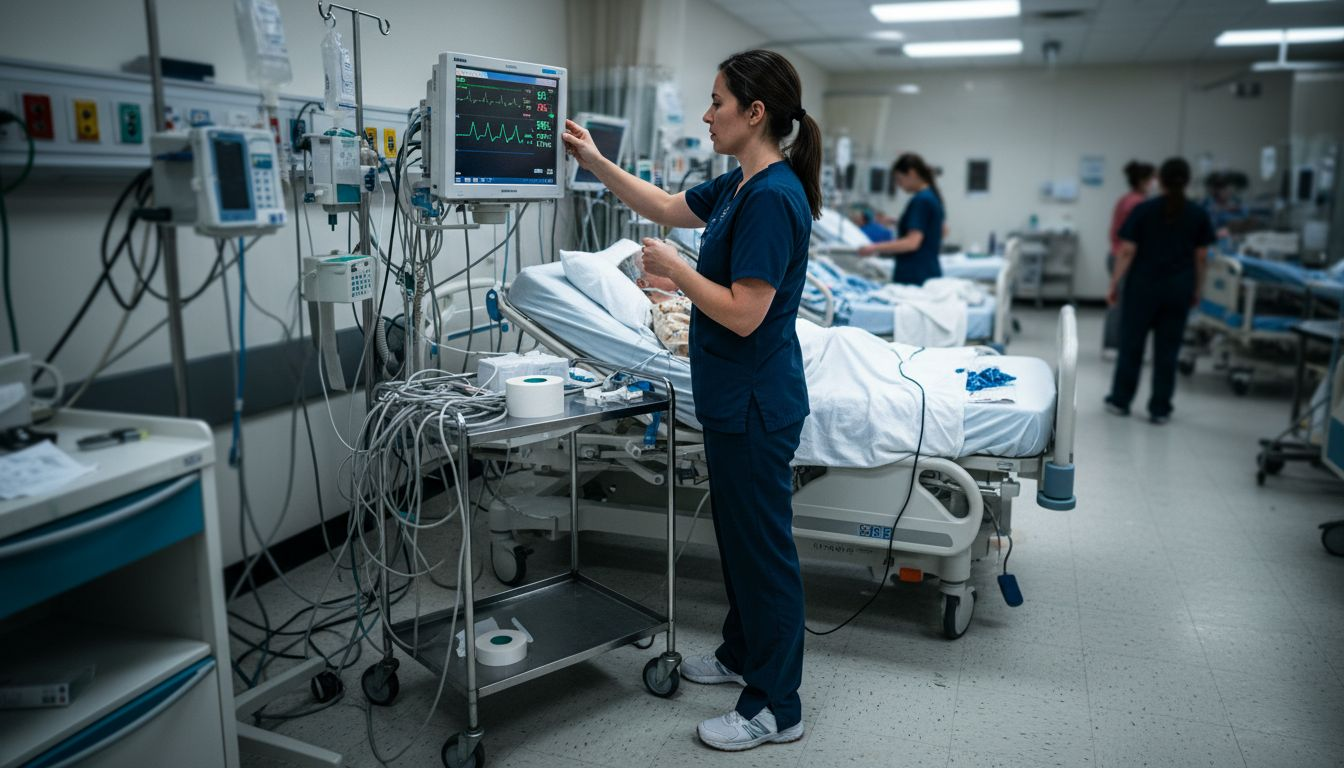
Tracking multiple patients across a busy hospital can feel overwhelming for even the most seasoned logistics coordinators. Continuous health monitoring is now possible thanks to digital patient monitors that offer real-time insights and automatic alerts. These devices go beyond basic vital sign tracking by integrating with electronic records and transportation systems, delivering greater visibility and precise health data for timely decision-making and smoother patient movement.
Table of Contents
- What Are Medical Patient Monitors?
- Types of Patient Monitors in Hospitals
- Key Features and Technologies Explained
- Alarm Management and Safety Protocols
- Integration With Hospital Systems and Logistics
- Operational Costs, Compliance, and Common Pitfalls
Key Takeaways
| Point | Details |
|---|---|
| Continuous Monitoring is Essential | Medical patient monitors provide real-time tracking of vital signs, enabling swift clinical interventions and personalized patient care. |
| Diverse Monitor Types Cater to Specific Needs | Different types of patient monitors, including physiological, wearable, and telemetry, are designed to meet varying clinical requirements and patient conditions. |
| Integration Enhances Efficiency | Seamless integration with hospital systems and electronic medical records improves data accessibility and operational workflows, promoting better patient management. |
| Proactive Alarm Management is Critical | Effective alarm management strategies are necessary to minimize alarm fatigue and enhance patient safety, ensuring timely and appropriate clinical responses. |
What Are Medical Patient Monitors?
Medical patient monitors are sophisticated electronic devices designed to track and display critical patient health data in real-time within healthcare settings. These advanced systems provide healthcare professionals with continuous insights into a patient’s physiological status, enabling rapid intervention and personalized care.
At their core, patient monitors perform several essential functions:
- Continuously track vital signs like heart rate, blood pressure, and oxygen saturation
- Display real-time graphical representations of physiological data
- Generate alerts for potential medical emergencies
- Record comprehensive patient health metrics
Remote patient monitoring technologies have revolutionized how healthcare providers collect and analyze patient information. These devices range from simple bedside units to complex networked systems capable of transmitting data across multiple hospital departments.
Modern medical patient monitors integrate multiple sensors and digital technologies to provide comprehensive health assessments. They typically include specialized equipment for different clinical environments:
- Intensive Care Unit (ICU) monitors with multi-parameter tracking
- Surgical suite monitors for anesthesia and patient status
- Pediatric monitors with specialized pediatric measurement protocols
- Portable monitors for emergency and ambulatory care settings
Critical information tracking remains the primary purpose of these devices. By providing continuous, precise health data, patient monitors enable clinicians to make faster, more informed decisions about patient treatment.
Pro tip: Regularly calibrate and maintain patient monitoring equipment to ensure accurate and reliable health data collection.
Types of Patient Monitors in Hospitals
Patient monitors in hospitals represent a diverse array of technological solutions designed to track and analyze critical health metrics across different clinical environments. Medical-grade monitoring devices are strategically categorized to address specific patient needs and clinical requirements.
Hospitals typically utilize several primary types of patient monitors:
- Physiological Monitors: Track comprehensive vital signs including heart rate, blood pressure, respiratory rate, and oxygen saturation
- Wearable Monitors: Portable devices enabling continuous patient tracking during mobility
- Implantable Biosensors: Advanced monitoring tools for long-term internal health assessment
- Telemetry Monitors: Wireless systems transmitting patient data across hospital networks
Cardiac monitoring technologies demonstrate significant variation in design and functionality. Different heart monitors serve unique diagnostic purposes:
- Short-term ambulatory monitors worn for days
- Long-term implantable cardiac devices
- Continuous rhythm tracking systems
- Consumer-grade wearable heart rate sensors
The selection of appropriate patient monitors depends on multiple factors, including patient condition, clinical setting, and specific monitoring objectives. Advanced monitoring systems integrate multiple sensors and digital technologies to provide comprehensive health insights.
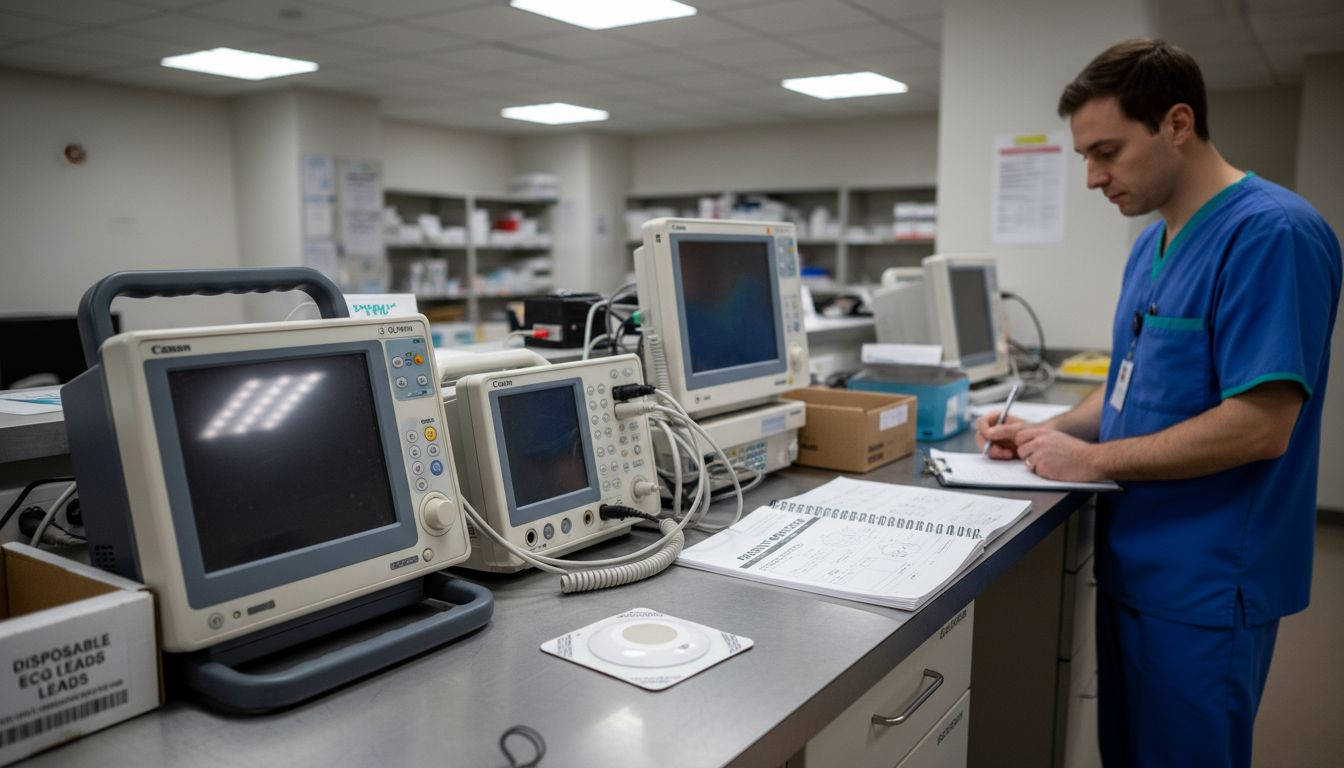
Here’s a comparison of patient monitor types and their ideal clinical applications:
| Monitor Type | Typical Use | Ideal Patient | Setting |
|---|---|---|---|
| Physiological | Intensive care tracking | Critically ill, multi-system | ICU, ER |
| Wearable | Mobility monitoring | Ambulatory, chronic care | Outpatient, ward |
| Implantable Biosensor | Long-term internal assessment | Cardiac, at-risk | Cardiology, surgery |
| Telemetry | Wireless networked monitoring | Cardiac, mobile, high risk | Cardiac unit, hospital-wide |
Selecting the right patient monitor requires careful evaluation of clinical needs, patient risk factors, and monitoring duration requirements.
Technological sophistication plays a crucial role in modern patient monitoring. Hospitals increasingly adopt multi-parameter monitors capable of simultaneously tracking various physiological indicators, enabling more precise and proactive healthcare interventions.
Pro tip: Develop a standardized protocol for monitor selection and maintenance to ensure consistent, high-quality patient care across different clinical departments.
Key Features and Technologies Explained
Patient monitoring technologies represent a sophisticated intersection of healthcare and digital innovation. Remote patient monitoring technologies encompass a wide range of devices designed to revolutionize medical data collection and patient care management.
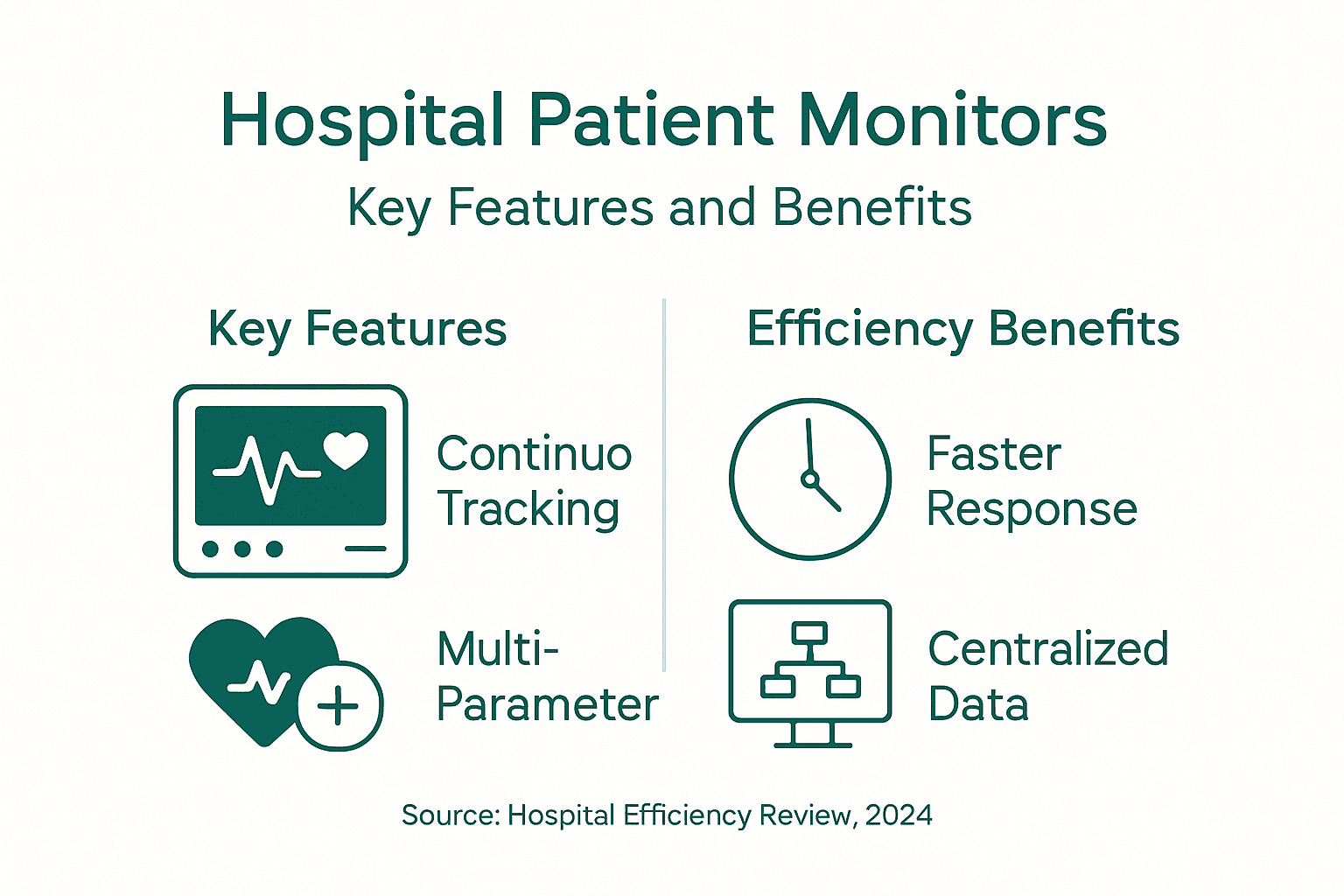
The core technologies driving modern patient monitors include:
- Wireless Sensor Networks: Enable continuous data transmission
- Artificial Intelligence Integration: Provide predictive health analytics
- Biometric Data Processors: Analyze complex physiological signals
- Cloud-Based Storage Systems: Secure and accessible patient information repositories
Advanced monitoring devices offer multiple sophisticated features:
- Continuous vital sign tracking
- Automatic anomaly detection
- Real-time data transmission
- Personalized health trend analysis
Modern patient monitoring systems leverage multiple technological innovations to enhance clinical decision-making. Digital integration allows healthcare providers to receive instantaneous updates about patient conditions, transforming traditional reactive healthcare models into proactive, data-driven approaches.
Cutting-edge patient monitors translate raw physiological data into actionable clinical insights, bridging the gap between data collection and meaningful medical intervention.
The technological ecosystem of patient monitors continues to evolve, incorporating more advanced sensors, more precise algorithms, and increasingly intuitive user interfaces. These developments promise more personalized, efficient, and responsive healthcare delivery.
Pro tip: Invest in cross-platform monitoring technologies that seamlessly integrate with existing electronic health record systems to maximize data utility and reduce implementation complexity.
Alarm Management and Safety Protocols
Alarm management represents a critical component of patient monitoring systems, directly impacting clinical responsiveness and patient safety. Alarm management strategies are essential for preventing alarm fatigue and ensuring meaningful clinical interventions.
Key strategies for effective alarm management include:
- Prioritizing alarms by clinical severity
- Customizing alarm thresholds for individual patients
- Implementing multi-tiered alarm response protocols
- Regular calibration of monitoring equipment
- Comprehensive staff training on alarm interpretation
Hospitals typically implement multiple layers of alarm safety protocols:
- Establishing clear escalation procedures
- Creating specialized alarm response teams
- Developing rapid communication channels
- Conducting periodic alarm system audits
Technological innovations have significantly enhanced alarm management capabilities. Advanced monitoring systems now incorporate sophisticated algorithms that reduce false alerts and provide more nuanced, clinically relevant notifications.
Effective alarm management is not just about reducing noise, but about creating a responsive and intelligent monitoring environment that supports critical patient care.
The Joint Commission and federal regulatory bodies increasingly emphasize alarm safety as a crucial patient safety metric. Healthcare institutions must develop comprehensive strategies that balance technological capabilities with clinical judgment and rapid response protocols.
Pro tip: Develop a standardized alarm response workflow that includes clear escalation protocols and regular equipment calibration to minimize false alerts and optimize clinical response times.
Integration With Hospital Systems and Logistics
Hospital system integration represents the critical backbone of modern medical patient monitoring technologies. Patient monitoring systems now seamlessly connect multiple healthcare infrastructure components to enhance operational efficiency and patient care delivery.
Key integration strategies involve:
- Connecting patient monitors with electronic medical records (EMRs)
- Establishing real-time data transmission protocols
- Creating interoperable communication networks
- Implementing standardized data formatting
- Ensuring robust cybersecurity measures
The technological framework for hospital system integration typically encompasses:
- Cloud-based data storage platforms
- Secure wireless communication channels
- Advanced data analytics engines
- Machine learning-powered predictive models
Digital infrastructure plays a pivotal role in transforming patient monitoring from isolated data collection to comprehensive healthcare management. These integrated systems enable healthcare providers to access comprehensive patient information across different departments and care settings.
Effective hospital system integration transforms raw medical data into actionable insights, creating a more responsive and intelligent healthcare ecosystem.
Modern healthcare institutions are increasingly adopting sophisticated integration platforms that support seamless information exchange, reduce administrative overhead, and improve overall patient care coordination. The goal is to create a holistic, interconnected healthcare environment that prioritizes patient safety and operational efficiency.
Pro tip: Develop a comprehensive integration strategy that includes regular system audits and interoperability testing to ensure smooth data exchange and minimize potential technical disruptions.
Operational Costs, Compliance, and Common Pitfalls
Healthcare technology investments require careful financial and regulatory navigation. Remote patient monitoring programs demand strategic approaches to manage operational complexities and potential economic challenges.
Critical compliance considerations include:
- Adhering to HIPAA data privacy regulations
- Maintaining FDA device safety standards
- Implementing robust cybersecurity protocols
- Ensuring accurate medical billing practices
- Managing comprehensive staff training requirements
Hospitals must address several potential operational pitfalls:
- Inadequate technology integration
- Insufficient staff training
- Complex reimbursement model challenges
- High initial technology investment costs
- Potential data security vulnerabilities
Financial management represents a significant challenge in implementing patient monitoring technologies. Healthcare institutions must balance technological investment with potential long-term cost savings and improved patient outcomes.
Here’s a summary of compliance factors and common pitfalls for hospital patient monitoring programs:
| Challenge Area | Compliance Factor | Common Pitfall | Impact |
|---|---|---|---|
| Data Privacy | HIPAA adherence required | Unsecured data transmission | Legal and financial risk |
| Device Safety | FDA regulation enforced | Outdated equipment | Patient harm, liability |
| Staff Training | Routine education needed | Insufficient instruction | Delayed response, errors |
| Billing | Accurate coding essential | Billing model confusion | Revenue loss, audit risk |
Successful patient monitoring programs require a holistic approach that considers technological capabilities, regulatory compliance, and economic sustainability.
Modern healthcare organizations must develop comprehensive strategies that address technological, financial, and regulatory challenges. This approach involves careful planning, continuous staff education, and adaptive implementation techniques that minimize economic risks while maximizing patient care quality.
Pro tip: Conduct comprehensive cost-benefit analyses and develop phased implementation strategies to mitigate financial risks and ensure smooth technological transitions.
Enhance Hospital Efficiency with VectorCare’s Integrated Patient Logistics Solutions
The article highlights critical challenges in managing medical patient monitors such as real-time data transmission, alarm management, and hospital system integration. These pain points often lead to delays, increased operational costs, and fragmented patient care. VectorCare’s comprehensive platform directly addresses these challenges by streamlining patient logistics, enabling healthcare providers to coordinate patient transportation, home health services, and durable medical equipment delivery efficiently. Our platform’s AI-driven dispatching and real-time updates ensure seamless communication between clinical teams and support rapid responses to patient needs, complementing the continuous monitoring efforts described in the article.
Ready to transform how your facility manages patient care coordination and hospital logistics? Discover how VectorCare’s user-friendly, integrated solutions reduce administrative burdens and improve outcomes by enhancing the flow of patient information alongside critical monitoring data. Visit VectorCare today to learn more and take the next step toward operational excellence in healthcare.
Frequently Asked Questions
What are the key functions of medical patient monitors?
Medical patient monitors continuously track vital signs such as heart rate, blood pressure, and oxygen saturation, providing real-time data to healthcare professionals for timely interventions and personalized care.
How do different types of patient monitors compare?
Different types of patient monitors are designed for specific clinical environments. Physiological monitors are used in ICUs, wearable monitors are for ambulatory care, implantable biosensors for long-term assessment, and telemetry monitors facilitate wireless data transmission.
What safety protocols are associated with patient monitoring systems?
Alarm management and safety protocols are critical to patient monitoring. These include prioritizing alarms by severity, customizing thresholds for individual patients, and implementing clear escalation procedures along with staff training on alarm interpretation.
How does technology integration improve hospital efficiency with patient monitors?
Integrating patient monitors with electronic medical records and establishing secure real-time data transmission enhances operational efficiency, reduces administrative overhead, and promotes coordinated patient care across different departments.