Complete Guide to Medicaid Non Emergency Transportation
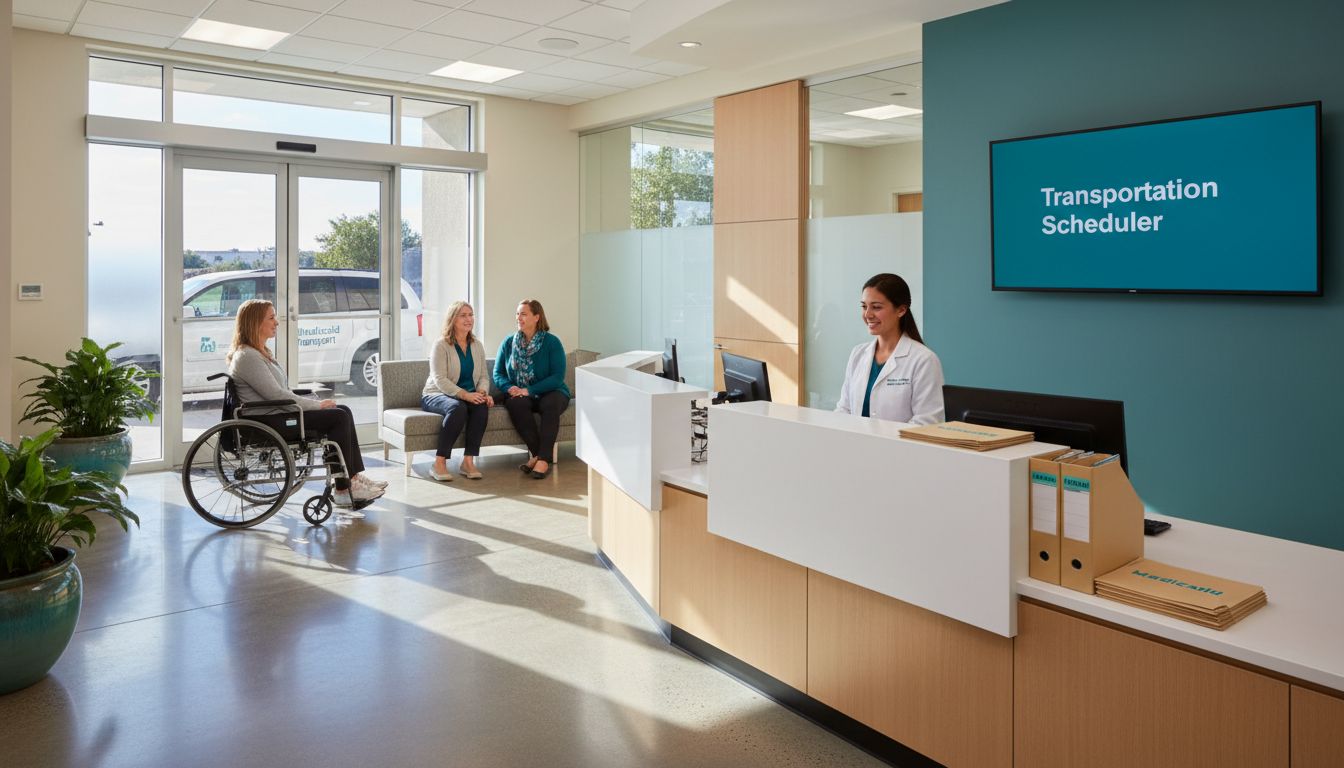
More than 3.6 million american adults miss medical appointments each year because they lack reliable transportation. For many families, this barrier stands between them and essential healthcare. Medicaid Non Emergency Transportation steps in to bridge that gap, making sure people get the care they need. If you want to understand how these vital services work and who they help, you are in the right place.
Table of Contents
- Defining Medicaid Non Emergency Transportation
- Eligibility And Covered NEMT Services
- Medicaid NEMT Regulations And Requirements
- Coordinating And Scheduling Transport Effectively
- Cost, Compliance, And Common Pitfalls
Key Takeaways
| Point | Details |
|---|---|
| Medicaid NEMT is essential for access | It provides transportation to medical appointments for beneficiaries lacking reliable transport, ensuring healthcare access. |
| Eligibility criteria vary by state | Generally includes current Medicaid enrollment, medical necessity for transport, and absence of alternative options. |
| Regulations enforce standards | States must develop systems that comply with federal guidelines, emphasizing accountability and fraud prevention. |
| Effective scheduling is crucial | Coordination between healthcare providers and transport services ensures timely access while accommodating patient needs. |
Defining Medicaid Non Emergency Transportation
Medicaid Non Emergency Transportation (NEMT) is a mandatory healthcare benefit designed to ensure Medicaid beneficiaries can access critical medical services when they lack reliable transportation. Non-emergency medical transportation provides transportation solutions for patients who cannot independently travel to medical appointments, enabling them to receive necessary healthcare regardless of their mobility or financial constraints.
The core purpose of NEMT is accessibility. Transportation modes include taxis, buses, vans, wheelchair-accessible vehicles, and sometimes personal vehicle reimbursement. Each state administers NEMT differently, with varied delivery models such as third-party brokers, fee-for-service arrangements, or managed care contracts. These flexible transportation options help eliminate barriers that might otherwise prevent patients from receiving timely medical care.
Key characteristics of Medicaid Non Emergency Transportation include:
- Mandatory benefit for Medicaid enrollees
- Covers transportation to and from medical appointments
- Serves patients without alternative transportation options
- Supports healthcare access for vulnerable populations
Under federal Medicaid guidelines, NEMT aims to reduce healthcare disparities by ensuring that transportation challenges do not prevent individuals from obtaining necessary medical treatment. The program recognizes that reliable transportation is fundamental to maintaining personal health and preventing more serious medical complications through consistent preventative and follow-up care.
Eligibility and Covered NEMT Services
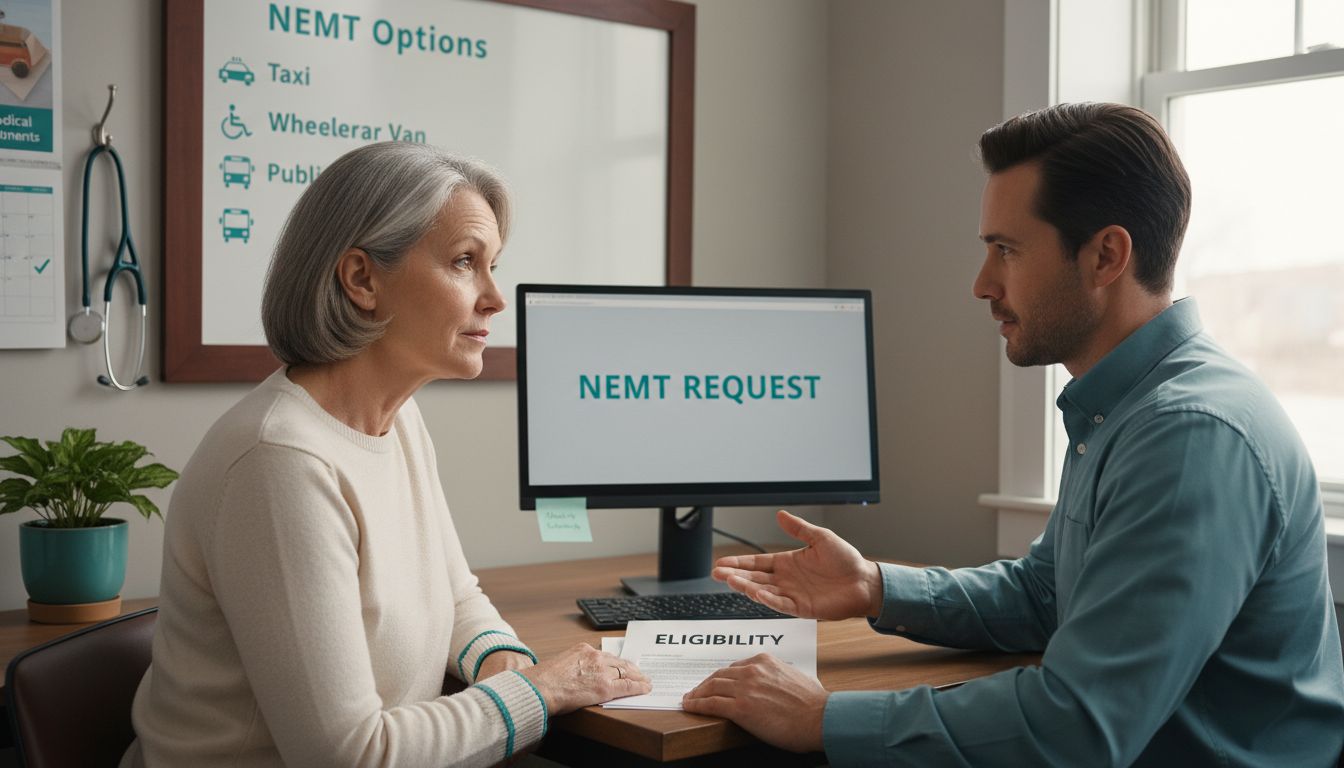
Medicaid Non Emergency Transportation (NEMT) services are designed to support eligible beneficiaries who face transportation barriers to accessing medical care. Eligibility primarily depends on an individual’s inability to independently transport themselves to necessary medical appointments. This includes patients without a valid driver’s license, those lacking a working vehicle, or individuals with physical limitations that prevent independent travel.
The specific eligibility criteria for NEMT services can vary by state, but generally include:
- Current Medicaid enrollment status
- Documented medical necessity for transportation
- Lack of alternative transportation options
- Confirmed medical appointment at an approved healthcare facility
Covered NEMT services typically encompass a wide range of transportation modes tailored to individual patient needs. These transportation options can include:
- Taxi services
- Public transit
- Wheelchair-accessible vans
- Specialized medical transport vehicles
- Personal vehicle mileage reimbursement
Patients must meet specific requirements to qualify for NEMT services. This often involves demonstrating that the transportation is essential for accessing critical medical care, such as scheduled physician appointments, physical therapy sessions, mental health treatments, or specialized medical procedures. The goal is to ensure that transportation barriers do not prevent individuals from receiving necessary healthcare services, particularly for vulnerable populations who might otherwise struggle to access medical treatment.
Medicaid NEMT Regulations and Requirements
Medicaid Non Emergency Transportation (NEMT) regulations establish a comprehensive framework to ensure eligible beneficiaries can access critical medical services. Federal guidelines mandate that states develop robust systems for providing transportation to Medicaid enrollees who cannot independently reach medical appointments. These regulations aim to eliminate transportation barriers while maintaining strict accountability and preventing potential fraud.
Key regulatory requirements for NEMT services include:
- Mandatory coverage for eligible Medicaid beneficiaries
- Clear documentation of transportation needs
- Verification of medical appointment necessity
- Compliance with state-specific delivery models
- Robust fraud prevention mechanisms
The regulatory landscape for NEMT services is complex and multifaceted. States must design transportation systems that balance accessibility with fiscal responsibility, implementing comprehensive compliance protocols to manage service delivery. This involves creating detailed guidelines for transportation providers, establishing clear eligibility criteria, and developing mechanisms to verify the medical necessity of each transportation request.
Each state develops its own specific implementation strategy for NEMT regulations, which typically involves one of three primary delivery models: fee-for-service programs, managed care contracts, or third-party brokerage systems. These models ensure that transportation services are efficiently coordinated, cost-effective, and tailored to meet the unique needs of Medicaid beneficiaries while maintaining strict oversight and accountability.
Coordinating and Scheduling Transport Effectively
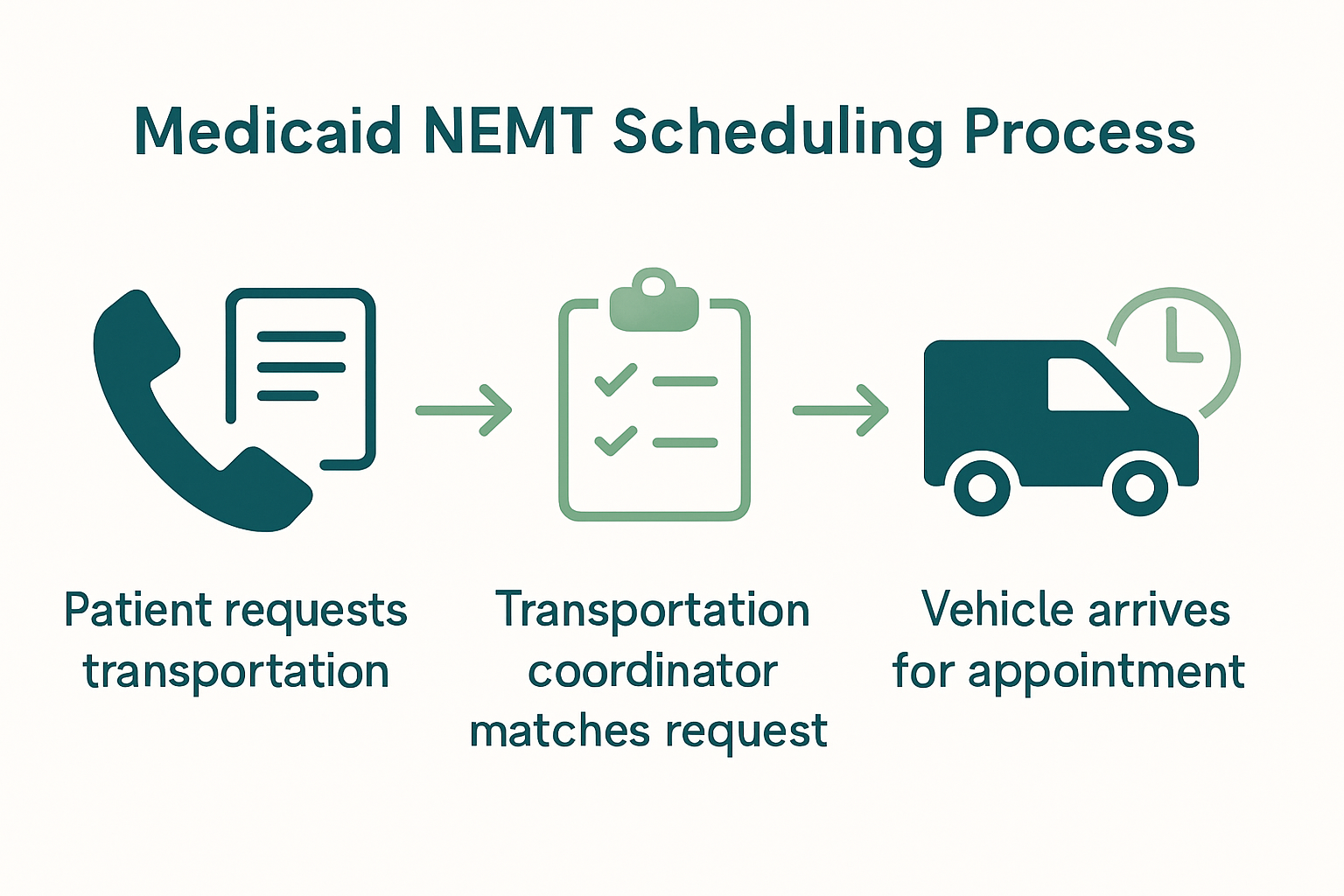
Non Emergency Medical Transportation (NEMT) scheduling requires careful coordination to ensure timely and accessible medical transportation for Medicaid beneficiaries. Effective scheduling involves a strategic approach that balances patient needs, medical appointment requirements, and transportation resource management. Healthcare providers and transportation coordinators must work together to create seamless transportation solutions that prioritize patient care and accessibility.
Key considerations for effective NEMT scheduling include:
- Advance ride request timelines
- Verification of medical appointment details
- Patient mobility and accessibility requirements
- Flexible routing and transportation modes
- Coordination with healthcare providers
NEMT coordination systems typically recommend requesting transportation at least two days before a scheduled medical appointment. Urgent medical needs require more immediate transportation arrangements, with most programs developing protocols to accommodate last-minute transport requests. Transportation coordinators must carefully assess each request, considering factors such as patient mobility, required vehicle type, and specific medical facility locations.
The scheduling process involves multiple stakeholders, including Medicaid beneficiaries, healthcare providers, transportation brokers, and vehicle operators. Successful coordination requires clear communication channels, robust documentation systems, and flexible scheduling protocols that can adapt to changing patient needs. By implementing comprehensive scheduling strategies, NEMT programs can ensure reliable, efficient, and patient-centered transportation services that support critical healthcare access for vulnerable populations.
Cost, Compliance, and Common Pitfalls
Medicaid Non Emergency Transportation (NEMT) programs require careful financial management and strict regulatory oversight. Cost considerations involve complex funding mechanisms that balance state budgets, federal guidelines, and the critical need for accessible patient transportation. Organizations must navigate a challenging landscape of expense tracking, reimbursement protocols, and prevention of potential fraudulent activities.
Common compliance challenges in NEMT services include:
- Accurate documentation of transportation services
- Verification of medical necessity
- Preventing unauthorized or unnecessary trips
- Maintaining proper billing practices
- Ensuring driver and vehicle qualification standards
Fraud prevention strategies are crucial in managing NEMT program costs and maintaining program integrity. Transportation providers must implement rigorous screening processes for employees and contractors, regularly verify credentials, and establish clear audit trails for each transportation request. Organizations that fail to maintain comprehensive compliance mechanisms risk significant financial penalties and potential program exclusion.
The financial landscape of NEMT services involves multiple stakeholders, including state Medicaid agencies, transportation brokers, healthcare providers, and vehicle operators. Successful programs balance cost-effectiveness with high-quality service delivery, utilizing advanced tracking systems and data analytics to optimize transportation resources and minimize unnecessary expenditures. By developing robust compliance frameworks and proactive cost management strategies, NEMT programs can ensure sustainable, efficient healthcare transportation services for vulnerable populations.
Transform Medicaid NEMT Challenges with Smarter Patient Transportation Solutions
Medicaid Non Emergency Transportation demands a well-coordinated, compliant system that eliminates barriers while controlling costs and improving patient care. The article highlights pain points such as scheduling complexities, eligibility verification, fraud prevention, and managing diverse transportation modes. These challenges can create delays and administrative burdens that impact vulnerable populations relying on timely access to medical appointments.
VectorCare provides an integrated digital platform designed to streamline patient logistics for Medicaid NEMT and beyond. Our tools offer powerful scheduling optimization, AI-driven dispatching, and real-time updates that ensure no appointment is missed. With automated vendor management and compliance tracking, healthcare providers can reduce costs and prevent fraud while delivering seamless transportation services. Explore how VectorCare can empower your organization to improve operational efficiency and enhance patient outcomes through smarter, coordinated healthcare logistics.
Unlock the full potential of Medicaid NEMT management today by visiting VectorCare and discover solutions tailored to your needs. Learn more about our platform capabilities at VectorCare’s official site, and see how we help providers and payers overcome common pitfalls with advanced scheduling tools.
Ready to eliminate transportation barriers and transform patient care logistics Start with VectorCare now to ensure every Medicaid beneficiary receives the reliable, compliant transportation they deserve.
Frequently Asked Questions
What is Medicaid Non Emergency Transportation (NEMT)?
Medicaid Non Emergency Transportation (NEMT) is a mandatory healthcare benefit that provides transportation to Medicaid beneficiaries who cannot independently travel to medical appointments, ensuring access to necessary healthcare services.
Who is eligible for NEMT services?
Eligibility for NEMT services typically requires current Medicaid enrollment, documented medical necessity for transportation, lack of alternative transportation options, and a confirmed medical appointment at an approved healthcare facility.
What types of transportation are covered by NEMT?
NEMT services cover a variety of transportation modes, including taxi services, public transit, wheelchair-accessible vans, specialized medical transport vehicles, and personal vehicle mileage reimbursement to support accessing medical appointments.
How do I schedule transportation through NEMT?
To schedule NEMT transportation, it is recommended to request a ride at least two days before a medical appointment, providing details about your mobility needs and appointment specifics to ensure effective coordination and timely service.