Managing Home Health Services for Optimized Patient Care
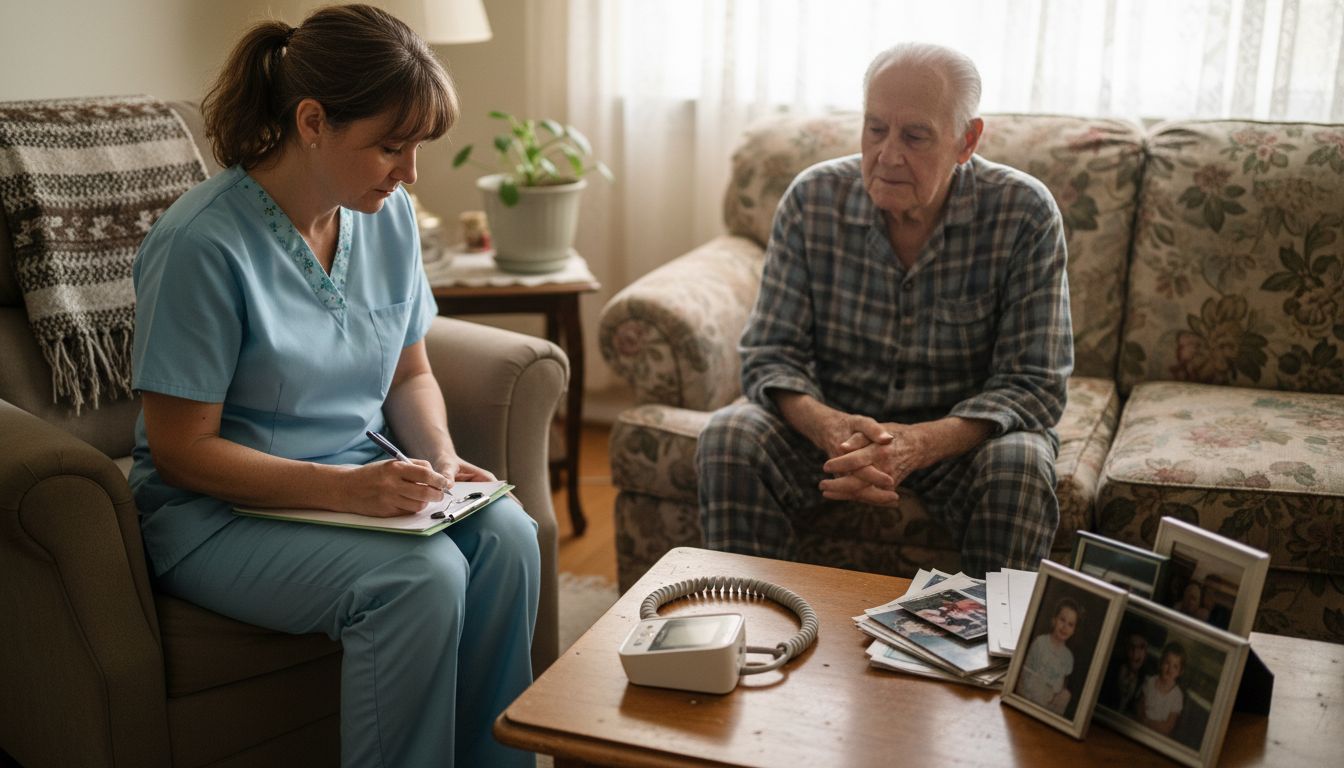
Nearly 12 million American adults receive home health care every year, highlighting just how vital personalized services are across the country. Understanding patient needs and streamlining care delivery can be daunting for even experienced healthcare providers. This step by step guide breaks down each phase of the process so you can confidently create efficient, compliant home health services that truly support both patients and staff.
Table of Contents
- Step 1: Assess Patient Needs And Define Service Requirements
- Step 2: Set Up Digital Workflows And Integrate Provider Networks
- Step 3: Coordinate Transportation And Equipment Logistics
- Step 4: Optimize Scheduling And Secure Communication
- Step 5: Monitor Service Delivery And Resolve Issues
- Step 6: Verify Performance And Ensure Quality Compliance
Quick Summary
| Important Insight | Detailed Explanation |
|---|---|
| 1. Conduct Initial Patient Assessment | Complete an assessment within 48 hours to determine needs, eligibility, and immediate care requirements for effective home health services. |
| 2. Implement Secure Communication Channels | Use secure messaging platforms with robust encryption to protect sensitive patient information while ensuring accurate and timely communication among caregivers. |
| 3. Develop a Robust Logistics Strategy | Optimize transportation and equipment logistics by using advanced routing algorithms and real-time tracking to enhance patient care efficiency. |
| 4. Monitor Service Delivery Continuously | Establish a monitoring system with key performance metrics to ensure consistent service quality and quickly address potential issues in home health services. |
| 5. Establish a Culture of Transparency | Encourage open communication and continuous learning among staff to enhance quality compliance and improve service delivery in home health settings. |
Step 1: Assess patient needs and define service requirements
Assessing patient needs forms the critical foundation for delivering effective home health services. This comprehensive evaluation ensures you develop a personalized care strategy that addresses the unique medical, functional, and support requirements of each individual.
Begin by conducting an initial patient assessment within 48 hours of referral or physician order, as recommended by the Centers for Medicare & Medicaid Services. This rapid evaluation allows healthcare professionals to quickly determine patient eligibility, homebound status, and immediate care needs. During this assessment, gather detailed information about the patient’s clinical condition, including medical history, current health status, mobility limitations, and specific care requirements.
To ensure a thorough evaluation, collaborate closely with the patient, their family, and referring physicians. Utilize standardized assessment tools and interview techniques to capture comprehensive insights. Pay special attention to factors like medication management, mobility challenges, nutritional needs, and potential home environment barriers. University Hospitals Home Care Services recommends carefully reviewing the patient’s anticipated service frequency and any unique care specifications to guarantee you can provide high quality, individualized support.
One critical tip many professionals overlook is conducting a holistic assessment that goes beyond medical needs. Consider the patient’s emotional well being, social support system, and personal care preferences. This comprehensive approach helps create a more responsive and compassionate care plan that addresses the whole person, not just their medical condition.
Once you have completed the initial assessment, you will be prepared to develop a detailed service plan that precisely matches the patient’s specific requirements and supports their path to improved health and independence.
Step 2: Set up digital workflows and integrate provider networks
Streamlining digital workflows and establishing seamless provider network integration is crucial for delivering efficient home health services. This step transforms fragmented communication systems into a cohesive, intelligent healthcare ecosystem that supports patient care delivery.
Begin by implementing a standardized documentation framework like the Clinical Care Classification System, which provides a common terminology for nursing documentation across different healthcare settings. This approach enables smoother information exchange and creates a unified language for provider interactions. Invest in digital platforms that support interoperability, allowing real time data sharing between home health agencies, physicians, specialists, and other care providers.
Utilize advanced decision support technologies to optimize caregiver allocation and service delivery. Research demonstrates that strategic algorithmic approaches can significantly enhance home health service efficiency by reducing travel distances, increasing patient visits, and maintaining continuity of care. Choose software solutions that offer automated scheduling, route optimization, and comprehensive provider network management capabilities.
One critical tip is to prioritize secure, HIPAA compliant communication channels that protect patient information while facilitating rapid, accurate data exchange. Select platforms with robust encryption, multi factor authentication, and comprehensive access controls to ensure data privacy and regulatory compliance.
By establishing these integrated digital workflows, you will create a responsive, intelligent healthcare network that supports seamless communication, reduces administrative burden, and ultimately improves patient outcomes.
Step 3: Coordinate transportation and equipment logistics
Coordinating transportation and equipment logistics is a critical component of delivering comprehensive home health services. This step ensures patients receive the necessary medical equipment and transportation support precisely when and where they need it.
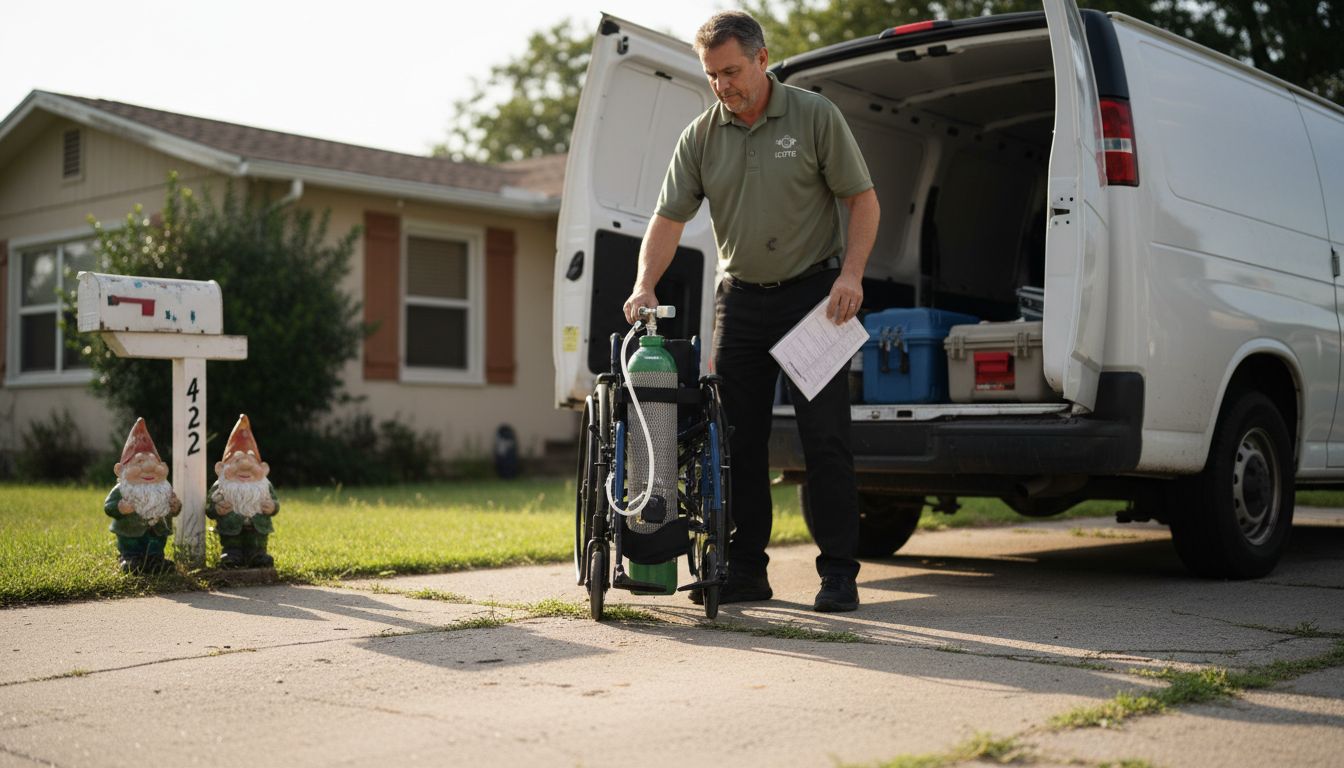
Develop a robust logistics strategy that optimizes caregiver routes and travel efficiency, minimizing travel time and maximizing patient care opportunities. Implement advanced routing algorithms that consider factors like patient location, medical equipment requirements, and time sensitive delivery needs. Utilize digital platforms that provide real time tracking, automated scheduling, and dynamic route planning to streamline transportation and equipment management.
Align your logistics approach with the quality assurance standards outlined by the Centers for Medicare & Medicaid Services. This means developing a comprehensive system that not only coordinates equipment and transportation but also ensures the highest standards of patient care and logistical efficiency. Integrate multiple communication channels to enable seamless coordination between caregivers, transportation providers, medical equipment suppliers, and patients.
One critical tip is to maintain a comprehensive inventory management system that tracks medical equipment availability, condition, and patient specific requirements. Implement predictive maintenance protocols and backup equipment strategies to prevent service interruptions and ensure continuous patient support.
By establishing a sophisticated transportation and equipment logistics framework, you will create a responsive support system that enhances patient comfort, reduces operational complexities, and ultimately improves overall home health service quality.
Step 4: Optimize scheduling and secure communication
Optimizing scheduling and establishing secure communication channels are essential for delivering high quality home health services. This step transforms complex scheduling processes into a streamlined, efficient system that prioritizes patient care and information protection.
Implement advanced scheduling strategies that support flexible visit sequences and caregiver allocation. Develop digital platforms that enable dynamic scheduling, allowing real time adjustments based on patient needs, caregiver availability, and urgent care requirements. Use intelligent algorithms that consider factors like geographic proximity, patient medical complexity, and time sensitive care windows to maximize scheduling efficiency and minimize patient wait times.
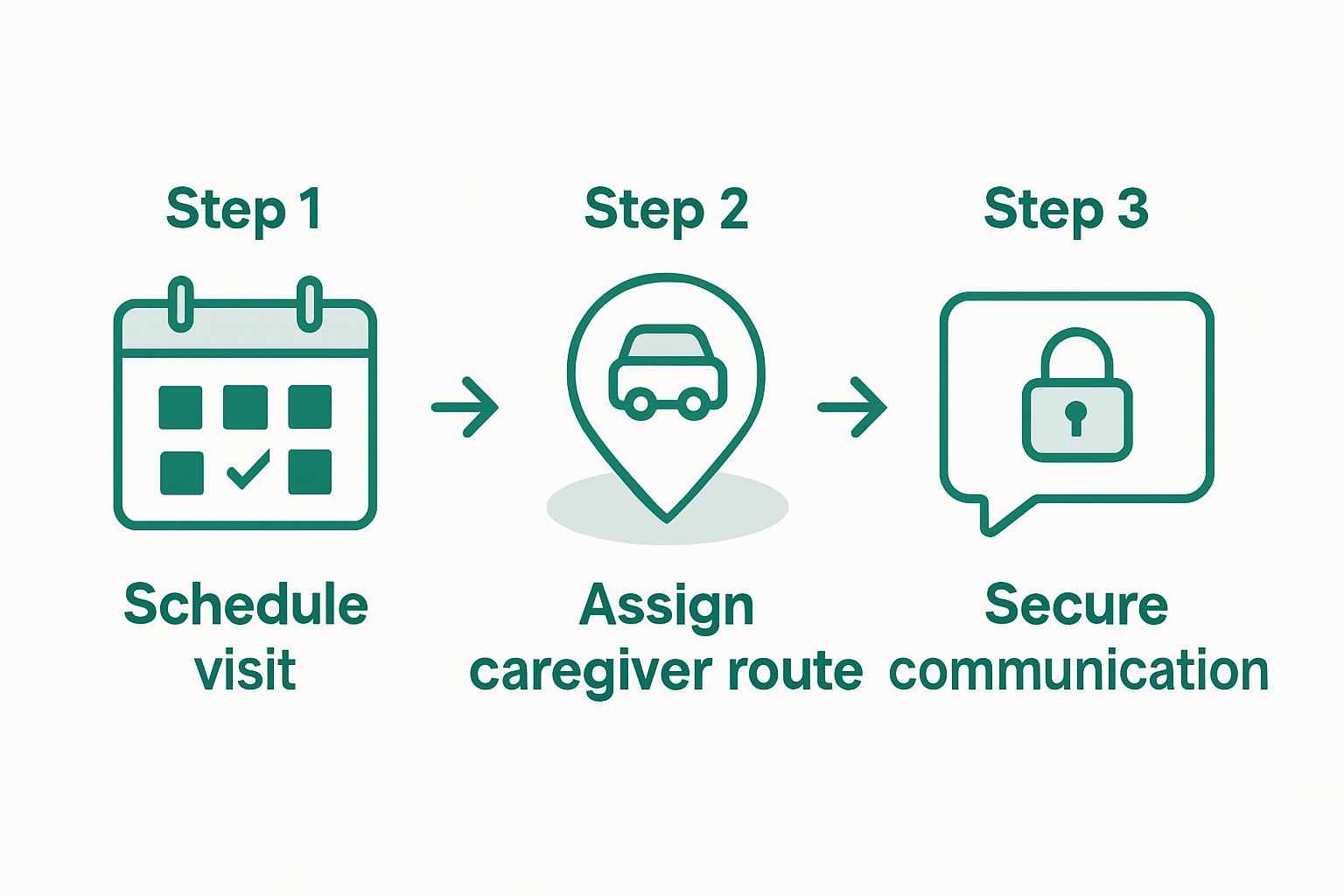
Utilize standardized communication frameworks like the Clinical Care Classification System to ensure secure and consistent information sharing across healthcare providers. This approach creates a uniform communication protocol that reduces misunderstandings, enhances data accuracy, and supports comprehensive patient care documentation. Integrate secure messaging platforms with robust encryption, multi factor authentication, and comprehensive access controls to protect sensitive patient information.
One critical tip is to implement a communication strategy that balances technological efficiency with personal touch. While digital tools streamline processes, ensure that human connection remains at the heart of patient care. Train staff to use communication technologies effectively while maintaining empathy and patient centered interactions.
By establishing an optimized scheduling and secure communication framework, you will create a responsive, efficient home health service that prioritizes patient needs, protects sensitive information, and delivers exceptional care.
Step 5: Monitor service delivery and resolve issues
Monitoring service delivery and proactively resolving issues are critical components of maintaining high quality home health services. This step ensures continuous improvement and patient satisfaction through systematic performance tracking and responsive problem solving.
Develop a comprehensive monitoring system using established home health quality measures that track key performance indicators. These metrics should include timely care initiation, patient reported outcomes, caregiver responsiveness, and service delivery consistency. Implement real time tracking dashboards that provide immediate visibility into service performance, enabling quick identification of potential challenges or areas requiring immediate intervention.
Utilize continuous quality improvement frameworks recommended by the Agency for Healthcare Research and Quality to systematically address and resolve service delivery issues. Create a structured feedback loop that allows patients, caregivers, and healthcare providers to report concerns, with clear escalation protocols for different types of issues. Develop a responsive resolution process that prioritizes patient safety, service quality, and timely communication.
One critical tip is to establish a proactive issue management approach that goes beyond reactive problem solving. Train your team to anticipate potential challenges, develop contingency plans, and continuously seek opportunities for service enhancement. Encourage a culture of open communication and continuous learning where every service interaction is viewed as an opportunity to improve.
By implementing a rigorous service delivery monitoring and issue resolution framework, you will create a dynamic home health service that consistently adapts, improves, and delivers exceptional patient care.
Step 6: Verify performance and ensure quality compliance
Verifying performance and ensuring quality compliance are essential steps in maintaining the highest standards of home health services. This critical process validates your organization’s commitment to exceptional patient care and regulatory excellence.
Develop a comprehensive performance verification strategy using outcome indicators and accreditation frameworks that systematically assess service quality. Establish rigorous metrics that evaluate clinical outcomes, patient satisfaction, caregiver performance, and adherence to established healthcare standards. Implement regular internal audits and external reviews that provide objective insights into your service delivery effectiveness.
Seek accreditation from recognized national bodies like the Community Health Accreditation Partner to validate your organization’s commitment to quality standards. This process involves comprehensive evaluations that examine your operational procedures, clinical practices, patient care protocols, and organizational infrastructure. Embrace these assessments as opportunities for continuous improvement rather than administrative burdens.
One critical tip is to create a culture of transparency and continuous learning. Encourage team members to view quality compliance as a collaborative effort, not a punitive process. Develop feedback mechanisms that allow staff to contribute insights, suggest improvements, and participate actively in maintaining high performance standards.
By establishing a robust performance verification and quality compliance framework, you will build trust with patients, healthcare partners, and regulatory bodies, ultimately delivering superior home health services that prioritize patient well being and operational excellence.
Elevate Your Home Health Service Coordination with VectorCare
Managing home health services involves tackling complex scheduling, secure communication, and real-time logistics to deliver truly personalized patient care. If you are facing challenges like optimizing caregiver routes, ensuring reliable equipment delivery, or maintaining continuous quality compliance, VectorCare offers a comprehensive solution tailored to these needs. Our digital platform integrates intelligent scheduling, AI-driven dispatching, and secure communication designed specifically for home health providers and healthcare coordinators.
Discover how VectorCare can transform your home health operations by reducing delays, lowering operational costs, and enhancing patient outcomes. Start optimizing your service delivery today with our user-friendly, scalable tools. Visit VectorCare to learn more and request a personalized demo that aligns with your unique home health service goals.
Frequently Asked Questions
How can I effectively assess patient needs for home health services?
Begin by conducting an initial assessment within 48 hours of referral to determine the patient’s eligibility, homebound status, and immediate needs. Collaborate with the patient, family, and referring physicians to gather comprehensive information about their medical history and specific care requirements.
What digital workflows should I set up for home health services?
Implement a standardized documentation framework to ensure smooth communication among providers. Choose digital platforms that enable real-time data sharing and integrate with caregiver management solutions to enhance efficiency in service delivery.
How do I coordinate transportation and equipment logistics for home health patients?
Develop a logistics strategy that optimizes caregiver routes and travel time. Utilize real-time tracking systems for equipment and coordinate closely with transportation providers to ensure timely delivery of services to patients.
What steps should I take to optimize scheduling for home health visits?
Establish advanced scheduling strategies that allow for dynamic adjustments based on patient needs and caregiver availability. Use intelligent algorithms to minimize wait times and ensure that patient care is prioritized in scheduling decisions.
How can I monitor service delivery and resolve issues effectively?
Create a comprehensive monitoring system that tracks key performance indicators related to service delivery. Implement a feedback loop for patients and caregivers to report concerns, and develop a responsive resolution process to address issues promptly.
What is the process for verifying performance and ensuring quality compliance in home health services?
Develop a performance verification strategy that uses established metrics to assess service quality regularly. Conduct internal audits and seek accreditation to validate adherence to healthcare standards and improve service efficacy.