Lyft Non-Emergency Medical Transportation – Reducing Costs for Health Systems
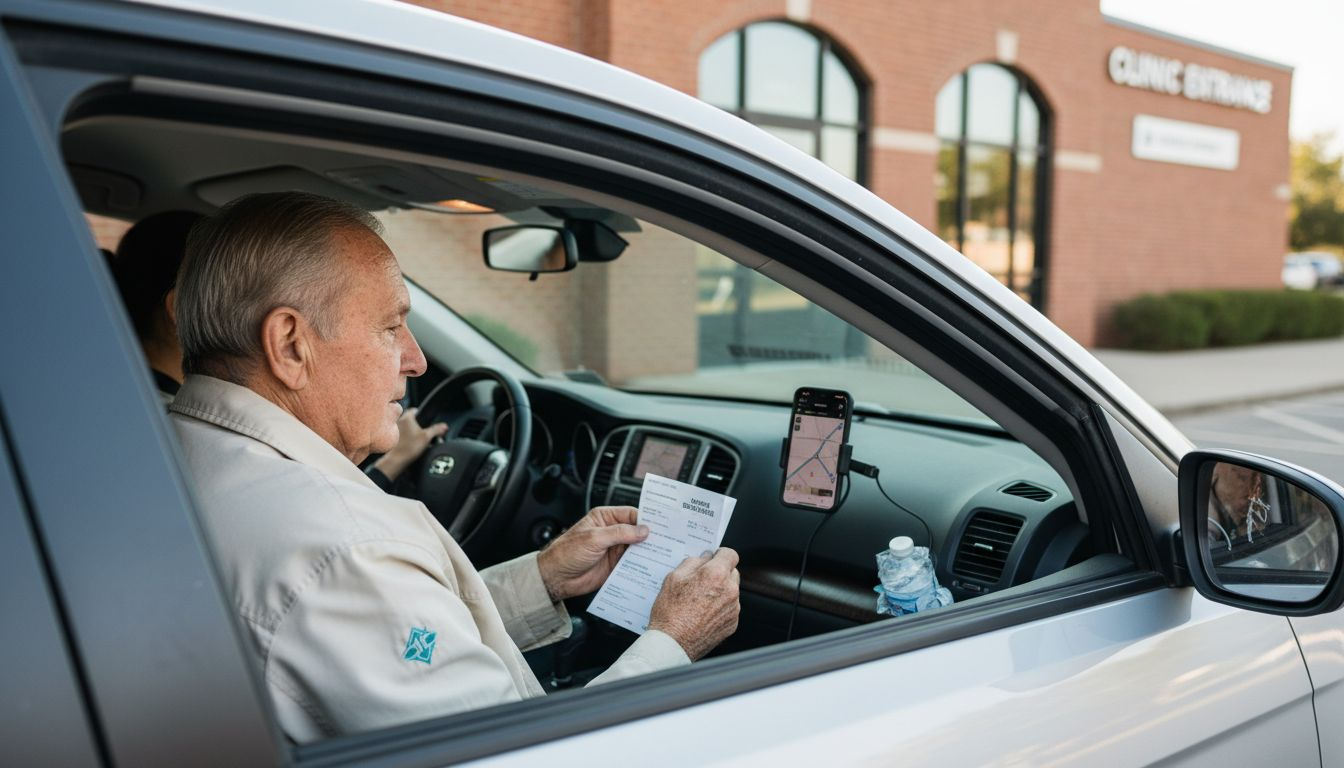
Managing patient transportation can quickly turn into a daily challenge when reliable options fall short for those who need routine medical care. For many American health systems, finding effective ways to address transportation barriers is essential for keeping missed appointment rates low and operational costs under control. Learn how innovative solutions like Non-Emergency Medical Transportation services—including Lyft NEMT—are transforming the way healthcare organizations connect patients to vital care safely and efficiently.
Table of Contents
- Defining Lyft Non-Emergency Medical Transportation
- Key Types And Service Models Available
- How Lyft Nemt Integrates With Healthcare Systems
- Operational Requirements And Legal Compliance Standards
- Cost Efficiencies And Common Pitfalls Compared To Alternatives
Key Takeaways
| Point | Details |
|---|---|
| Lyft NEMT Service | Lyft offers Non-Emergency Medical Transportation that ensures patients can access medical care with scheduled rides and trained professional drivers. |
| Integration with Healthcare | Lyft’s services integrate with healthcare providers through electronic health records and automated scheduling, enhancing patient access and safety. |
| Regulatory Compliance | Lyft’s NEMT operations adhere to federal and state regulations, including ADA standards and HIPAA compliance, ensuring patient safety and service quality. |
| Cost Efficiency | NEMT strategies through Lyft present opportunities for reduced costs, improved appointment attendance, and better resource management within healthcare systems. |
Defining Lyft Non-Emergency Medical Transportation
Non-Emergency Medical Transportation (NEMT) represents a critical healthcare support service designed to help patients access medical care when they lack reliable personal transportation. Medicaid’s NEMT benefit ensures low-income beneficiaries can reach essential healthcare appointments through various transportation modes, including specialized rides.
Lyft’s Non-Emergency Medical Transportation service specifically addresses transportation barriers by providing scheduled, pre-arranged rides for patients who cannot drive themselves or use standard public transit. Unlike emergency medical services, these transportation options focus on planned medical visits such as routine check-ups, therapy sessions, specialist consultations, and ongoing treatment appointments.
Key characteristics of Lyft’s Non-Emergency Medical Transportation include:
- Scheduled rides for medical appointments
- Wheelchair-accessible vehicle options
- Professional drivers trained in patient transportation
- Direct coordination with healthcare providers
- Flexible routing to accommodate patient mobility needs
Patient Transportation Goals are fundamentally about ensuring reliable, safe, and comfortable transit for individuals with medical requirements. Non-Emergency Medical Transportation services play a crucial role in healthcare access, particularly for populations facing mobility challenges or economic constraints.
Pro tip: Always verify transportation arrangements and specific medical transportation requirements with your healthcare provider or insurance network before scheduling a non-emergency medical ride.
Key Types and Service Models Available
Non-Emergency Medical Transportation (NEMT) services operate through multiple sophisticated models designed to meet diverse patient transportation needs. State Medicaid agencies deploy complex transportation strategies that range from in-house fee-for-service programs to comprehensive managed care partnerships.
The primary service models for Lyft’s Non-Emergency Medical Transportation include:
- Broker-Managed Services: Third-party organizations coordinate rides between healthcare providers and transportation platforms
- Direct Medicaid Partnerships: Direct contractual arrangements with state Medicaid programs
- Ride-Sharing Integration: Specialized app-based transportation solutions
- Managed Care Organization (MCO) Contracts: Integrated transportation services within healthcare networks
Demand-Responsive Transit represents a critical innovation in NEMT services. Transportation coordination models enable real-time ride matching, ensuring patients can access timely medical transportation across various geographic contexts. These dynamic systems allow for immediate scheduling, route optimization, and personalized transportation solutions.
Each service model addresses unique patient requirements, from urban environments with robust public transit to rural areas with limited transportation infrastructure. The flexibility of these models ensures that patients with varying mobility needs can access essential healthcare services efficiently.
Here’s a summary of Lyft NEMT service models and their benefits:
| Service Model | How It Works | Ideal For |
|---|---|---|
| Broker-Managed | Third-party arranges rides with Lyft | Large health networks |
| Direct Medicaid | State contracts directly with Lyft | Public insurance beneficiaries |
| Ride-Sharing Integration | App-based scheduling by patients/providers | Tech-savvy users in urban areas |
| MCO Contracts | Transportation fits into health plans | Managed care organization members |
Pro tip: Always confirm the specific NEMT service model available in your region to understand the most appropriate transportation options for your medical needs.
How Lyft NEMT Integrates With Healthcare Systems
Lyft’s Non-Emergency Medical Transportation (NEMT) service represents a sophisticated integration strategy designed to streamline patient transportation across complex healthcare ecosystems. Ride solutions for patient access enable healthcare providers to arrange specialized transportation that addresses critical mobility challenges.
The integration mechanisms include:
- Electronic Health Record (EHR) Connectivity: Direct interface with patient management systems
- Automated Ride Scheduling: Seamless appointment-based transportation coordination
- Real-Time Patient Tracking: GPS-enabled monitoring for enhanced safety
- Compliance Documentation: Comprehensive ride verification and reporting
- Specialized Assistance Options: Customized support for patients with unique mobility requirements
Healthcare System Benefits emerge through Lyft’s innovative approach to transportation coordination. Medical transportation solutions dramatically reduce missed appointments, conserve emergency transport resources, and provide consistent access to primary and chronic disease management services.

The integration extends beyond simple transportation, creating a comprehensive patient support ecosystem that addresses transportation barriers while maintaining high standards of medical accessibility and patient care. By developing technologically advanced platforms, Lyft transforms traditional medical transportation into a strategic healthcare resource.
Pro tip: Request detailed integration documentation from your healthcare provider to understand the specific NEMT capabilities available in your network.
Operational Requirements and Legal Compliance Standards
Non-Emergency Medical Transportation (NEMT) services operate within a complex regulatory landscape that demands rigorous compliance and operational excellence. Federal Medicaid regulations mandate comprehensive transportation standards that providers must meticulously follow to ensure patient safety and service quality.
Key operational requirements encompass multiple critical domains:
- Vehicle Accessibility: Meeting Americans with Disabilities Act (ADA) standards
- Driver Qualifications: Background checks, professional training, patient interaction protocols
- Service Coordination: Seamless integration with healthcare provider networks
- Documentation Requirements: Comprehensive ride verification and reporting
- Patient Privacy Compliance: Adhering to HIPAA regulations and patient data protection
Disability Accommodation Standards represent a crucial compliance dimension. Legal requirements for service accessibility compel transportation providers to implement reasonable accommodations, ensuring non-discriminatory transportation for passengers with diverse mobility needs. This includes specialized support for wheelchair users, service animal provisions, and adaptive vehicle configurations.
The regulatory framework extends beyond transportation logistics, incorporating complex interactions between healthcare systems, state Medicaid programs, and transportation service providers. Successful NEMT operations demand a sophisticated understanding of legal requirements, patient needs, and operational excellence.
Pro tip: Regularly audit your NEMT service provider’s compliance documentation to ensure they meet all current federal and state regulatory standards.
Cost Efficiencies and Common Pitfalls Compared to Alternatives
Non-Emergency Medical Transportation (NEMT) strategies represent a complex economic landscape with significant potential for cost optimization. Research demonstrates substantial return on investment through reduced emergency care expenses and improved patient engagement.
Key cost efficiency considerations include:
- Reduced Missed Appointment Rates: Minimizing healthcare delivery interruptions
- Lower Emergency Room Utilization: Preventing expensive acute care interventions
- Predictable Transportation Expenses: Standardized pricing models
- Scalable Service Delivery: Flexible resource allocation
- Technology-Driven Optimization: Real-time route and dispatch management
Comparative Cost Structures reveal nuanced trade-offs between traditional and ride-share based transportation models. Ride-share NEMT solutions present unique challenges that require sophisticated management to maintain consistent service quality and control operational expenses.
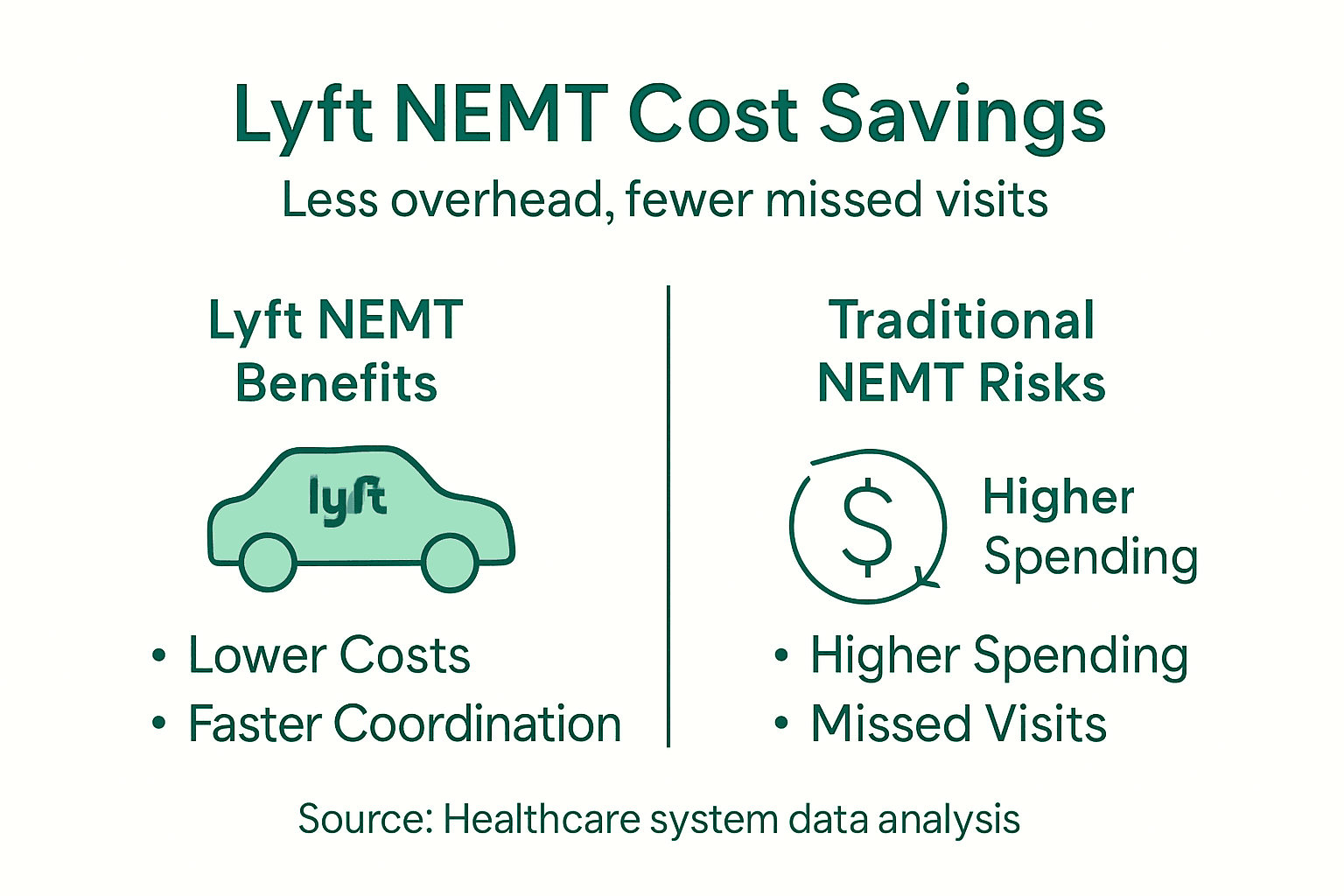
Successful implementation demands careful oversight, with health systems needing to balance technological innovation against potential service variability. The most effective NEMT strategies integrate flexible transportation solutions with rigorous performance monitoring and continuous quality improvement protocols.
Compare Lyft NEMT with traditional alternatives:
| Aspect | Lyft NEMT | Traditional NEMT |
|---|---|---|
| Scheduling Speed | Immediate and app-based | Often advance booking required |
| Ride Matching | GPS and real-time tracking | Manual assignment, paper logs |
| Cost Predictability | Clear, standardized pricing | Variable, often unpredictable |
| Data Integration | Connects to EHR systems | Limited digital connectivity |
Pro tip: Develop comprehensive performance metrics that track both cost efficiency and service quality to ensure your NEMT program delivers measurable healthcare value.
Transform Patient Transportation Challenges Into Healthcare Wins
Non-Emergency Medical Transportation disrupts healthcare systems with costly inefficiencies, missed appointments, and complex compliance demands. The article highlights Lyft’s role in reducing costs and improving access but also reveals how integrating patient transportation deeply into healthcare operations remains a challenge. If your health system struggles with scheduling complexity, regulatory hurdles, or unreliable ride matching, these issues threaten both patient outcomes and operational budgets.
VectorCare offers a comprehensive digital platform designed to solve these exact pain points. Our AI-driven dispatching optimizes scheduling and vendor management to reduce delays and streamline coordination across providers, payers, and emergency services. With secure communication tools and real-time patient tracking, healthcare organizations gain full visibility to reduce no-shows and improve compliance effortlessly. Discover how VectorCare brings advanced technology and data insights to transform Non-Emergency Medical Transportation into a strategic advantage.
Elevate your patient logistics and reduce costs today with a proven, scalable solution. Learn more about our integrated approach and compliance-savvy platform at VectorCare, and explore how we complement innovative ride solutions like Lyft for complete healthcare logistics management.
Ready to turn your transportation challenges into measurable improvements? Visit VectorCare now to see how our platform streamlines Non-Emergency Medical Transportation for better patient outcomes and sustainable cost savings.
Frequently Asked Questions
What is Lyft’s Non-Emergency Medical Transportation service?
Lyft’s Non-Emergency Medical Transportation (NEMT) service provides scheduled, pre-arranged rides for patients who need transportation to medical appointments but cannot use personal or public transit. It includes features like wheelchair-accessible vehicles and professional drivers trained in patient transportation.
How does Lyft NEMT help reduce costs for health systems?
Lyft NEMT reduces costs for health systems by minimizing missed appointments, lowering emergency room utilization, and providing predictable transportation expenses through standardized pricing models, which ultimately leads to improved patient engagement and reduced healthcare delivery interruptions.
What are the operational requirements for Lyft NEMT services?
Lyft NEMT services must adhere to regulations that include vehicle accessibility, driver qualifications, service coordination with healthcare providers, proper documentation, and compliance with patient privacy laws such as HIPAA.
How does Lyft NEMT integrate with healthcare systems?
Lyft NEMT integrates with healthcare systems through electronic health record (EHR) connectivity, automated ride scheduling, real-time patient tracking, and compliance documentation, creating a streamlined process for arranging necessary transportation for patients.