Integrated Care Management Model: Improving Hospital Logistics
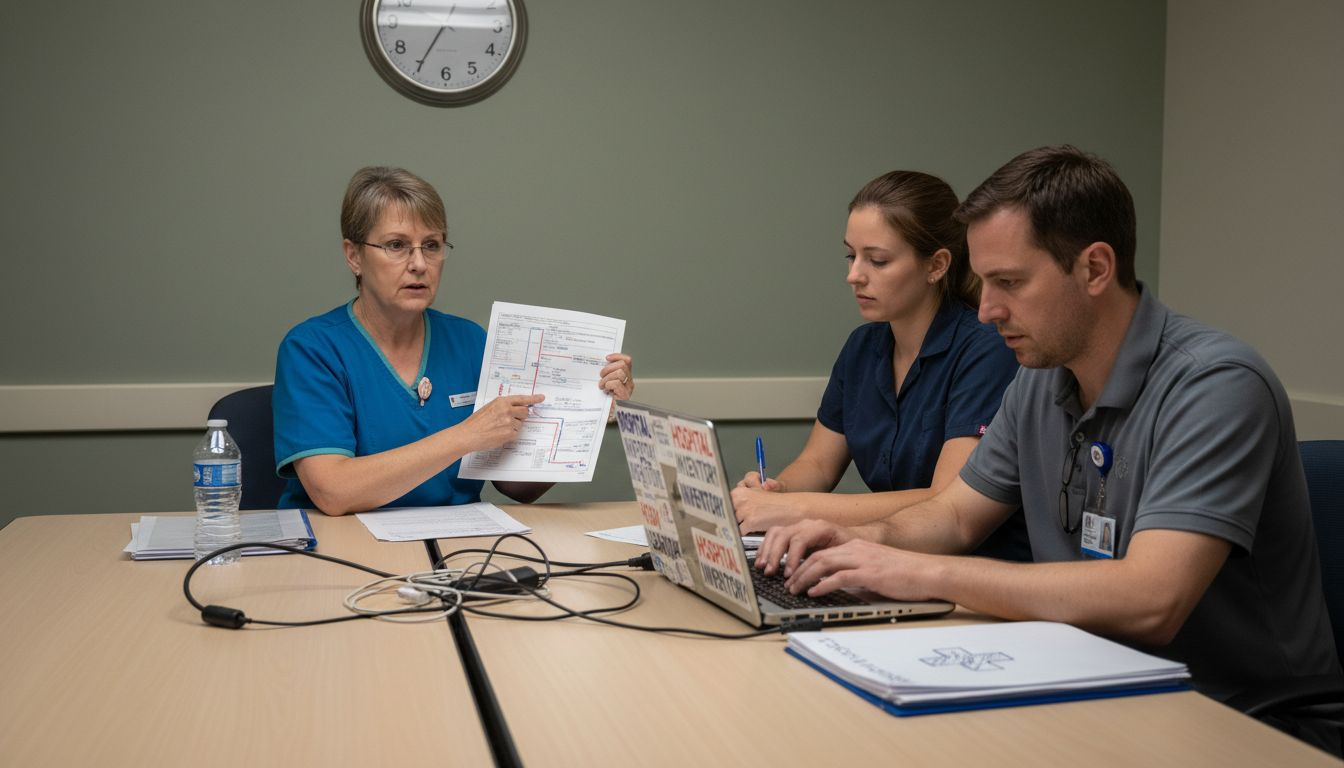
Fragmented patient journeys can leave even the most coordinated American hospital teams scrambling to connect the dots. For healthcare administrators, bridging gaps between departments and providers is more than an operational challenge—it is essential to achieving seamless, patient-centered care. Integrated care management offers structured solutions that connect services, enhance communication, and optimize logistics. This guide reveals how adopting integrated care models can fundamentally improve outcomes and efficiency for hospitals across the United States.
Table of Contents
- Defining The Integrated Care Management Model
- Types Of Integrated Care Models In Hospitals
- Core Characteristics And Key Features Explained
- How Integrated Care Management Enhances Logistics
- Compliance, Costs, And Implementation Challenges
Key Takeaways
| Point | Details |
|---|---|
| Integrated Care Management Model | This model emphasizes seamless, patient-centered care, promoting collaboration among healthcare providers to enhance patient outcomes. |
| Hospital-Based Integrated Models | Different types such as Multidisciplinary Teams and Transitional Care focus on specific patient needs, streamlining healthcare delivery for complex cases. |
| Technological Integration | Advanced technologies like electronic health records are crucial for implementing integrated care, enabling real-time communication and efficient resource allocation. |
| Implementation Challenges | Key obstacles include workforce training and regulatory compliance, requiring strategic planning and robust governance to navigate effectively. |
Defining The Integrated Care Management Model
Integrated care management represents a comprehensive approach designed to transform traditional healthcare delivery by creating seamless, patient-centered systems that coordinate services across multiple providers and care settings.
At its core, integrated care management is a strategic framework focused on delivering coordinated, holistic healthcare experiences. The model emphasizes several critical dimensions:
- Comprehensive patient assessment
- Personalized care planning
- Continuous communication across healthcare teams
- Proactive health management
- Seamless service coordination
The fundamental goal of this model is to overcome historical fragmentation in healthcare services. By creating structured pathways that connect different healthcare providers, specialties, and administrative systems, integrated care management aims to:
- Reduce treatment redundancies
- Minimize medical errors
- Improve overall patient outcomes
- Enhance patient experience
- Optimize resource utilization
Research from multiple academic sources highlights that effective integrated care management requires robust infrastructure, technology integration, and a cultural shift toward collaborative healthcare delivery. Peer-reviewed studies consistently demonstrate that this approach can significantly improve patient care quality and system efficiency.
Integrated care management transforms healthcare from a fragmented service model to a comprehensive, patient-centered ecosystem of coordinated care.
Technological enablers play a crucial role in implementing integrated care management models. Electronic health records, interoperable systems, and advanced communication platforms are essential for creating the seamless information exchange required to support this approach.
Pro tip: Implement standardized communication protocols and invest in interoperable technology platforms to facilitate smooth care coordination across different healthcare providers and settings.
Types Of Integrated Care Models In Hospitals
Hospital-based integrated care models represent sophisticated frameworks designed to address complex patient needs by creating comprehensive, coordinated healthcare delivery systems. Integrated care pathways have emerged as critical strategies for transforming traditional hospital approaches to patient management.
Researchers have identified several primary types of integrated care models used in hospital settings:
- Multidisciplinary Team Models
- Clinical Pathway Integration
- Population Health Management Approaches
- Chronic Condition Management Systems
- Transitional Care Models
These models differ significantly in their structural complexity and implementation strategies. Comprehensive integration frameworks typically focus on creating seamless connections between various healthcare providers, specialties, and administrative systems.

Here is a summary comparing major hospital-based integrated care models and their primary strengths:
| Model Type | Main Focus | Typical Strength | Example Benefit |
|---|---|---|---|
| Multidisciplinary Team | Team-based collaborative care | Enhanced clinical outcomes | Faster treatment decisions |
| Clinical Pathway Integration | Standardized process and protocols | Consistent care delivery | Lower error rates |
| Population Health Management | Community-wide health improvement | Preventive health strategies | Reduced disease incidence |
| Transitional Care | Smooth transitions across settings | Minimized care disruption | Fewer readmissions |
| Chronic Condition Management | Ongoing management of chronic cases | Improved long-term outcomes | Better quality of life |
- Multidisciplinary Team Models involve coordinated care across different medical professionals
- Clinical Pathway Models standardize treatment protocols
- Population Health Models address broader community health needs
- Transitional Care Models focus on smooth patient transfers between care settings
Effective integrated care models transform hospital operations from fragmented services to holistic, patient-centered healthcare ecosystems.
Technological infrastructure plays a crucial role in implementing these models. Electronic health records, interoperable communication platforms, and advanced data analytics enable hospitals to create more responsive and adaptive care delivery systems.
Specific Implementation Considerations include:
- Developing clear communication protocols
- Establishing standardized assessment frameworks
- Creating technology-enabled care coordination mechanisms
- Implementing continuous performance monitoring
Pro tip: Invest in robust data integration technologies and develop comprehensive training programs to ensure successful implementation of integrated care models across hospital departments.
Core Characteristics And Key Features Explained
Integrated care management represents a sophisticated approach to healthcare delivery that goes far beyond traditional service models. Core characteristics of integrated care focus on creating comprehensive, patient-centered systems that transcend individual healthcare interactions.
The fundamental features of these models encompass several critical dimensions:
- Holistic patient assessment
- Continuous care coordination
- Interdisciplinary collaboration
- Data-driven decision making
- Proactive health management
- Personalized care planning
- Seamless information exchange
Comprehensive integration frameworks typically emphasize several key organizational characteristics:
- Shared organizational values
- Population health focus
- Cross-sector collaboration
- Systemic accountability
- Technological infrastructure support
Successful integrated care models transform healthcare from fragmented services to cohesive, patient-centered ecosystems.
Technological enablement is crucial in implementing these models. Advanced electronic health record systems, interoperable communication platforms, and sophisticated data analytics create the necessary infrastructure for seamless care coordination.
Implementation Requirements include:
- Developing robust communication protocols
- Creating standardized assessment frameworks
- Establishing continuous performance monitoring mechanisms
- Implementing workforce training programs
Pro tip: Design comprehensive change management strategies that align organizational incentives and cultivate a culture of collaborative, patient-centered care across all healthcare departments.
How Integrated Care Management Enhances Logistics
Hospital logistics represent a complex ecosystem of patient movement, resource allocation, and operational coordination. Hospital logistics management fundamentally transforms when integrated care management principles are strategically applied.
The key logistics enhancement mechanisms include:
- Streamlined patient flow management
- Optimized resource allocation
- Reduced administrative bottlenecks
- Enhanced interdepartmental communication
- Improved scheduling efficiency
- Minimized patient wait times
- Precise tracking of patient transitions
Integrated care pathways contribute to logistics optimization through several critical interventions:
- Standardizing patient transfer protocols
- Creating predictable care transition workflows
- Implementing real-time communication channels
- Developing comprehensive tracking mechanisms
- Reducing unnecessary hospital admissions
Effective integrated care management transforms hospital logistics from fragmented processes to synchronized, patient-centered operations.
Technological infrastructure plays a pivotal role in enhancing logistics. Advanced electronic health record systems, interoperable communication platforms, and sophisticated data analytics create seamless operational coordination across different hospital departments.
Strategic Logistics Improvement Components include:
- Developing comprehensive information-sharing protocols
- Implementing cross-departmental communication systems
- Creating standardized patient movement guidelines
- Establishing continuous performance monitoring mechanisms
Pro tip: Invest in robust digital integration platforms that enable real-time information exchange and create standardized workflow protocols across hospital departments.
Compliance, Costs, And Implementation Challenges
Integrated care management demands sophisticated strategies to navigate complex organizational and regulatory landscapes. Implementation challenges in healthcare integration represent multifaceted obstacles that require comprehensive approaches to overcome systemic barriers.
Key implementation challenges include:
- Complex inter-organizational coordination
- Substantial technology infrastructure investments
- Workforce training and cultural transformation
- Regulatory compliance management
- Financial resource allocation
- Risk management during care transitions
- Standardization of performance metrics
Healthcare integration barriers manifest through several critical dimensions:
- Fragmented organizational cultures
- Insufficient interoperable information systems
- Misaligned professional role expectations
- Limited sustainable funding mechanisms
- Complex legal and regulatory frameworks
Successful integrated care implementation requires strategic leadership, flexible funding, and a shared commitment to transformative healthcare delivery.
Financial considerations play a pivotal role in integrated care management. Technology integration, workforce training, and developing robust communication infrastructures represent significant investment areas that demand careful financial planning and resource allocation.
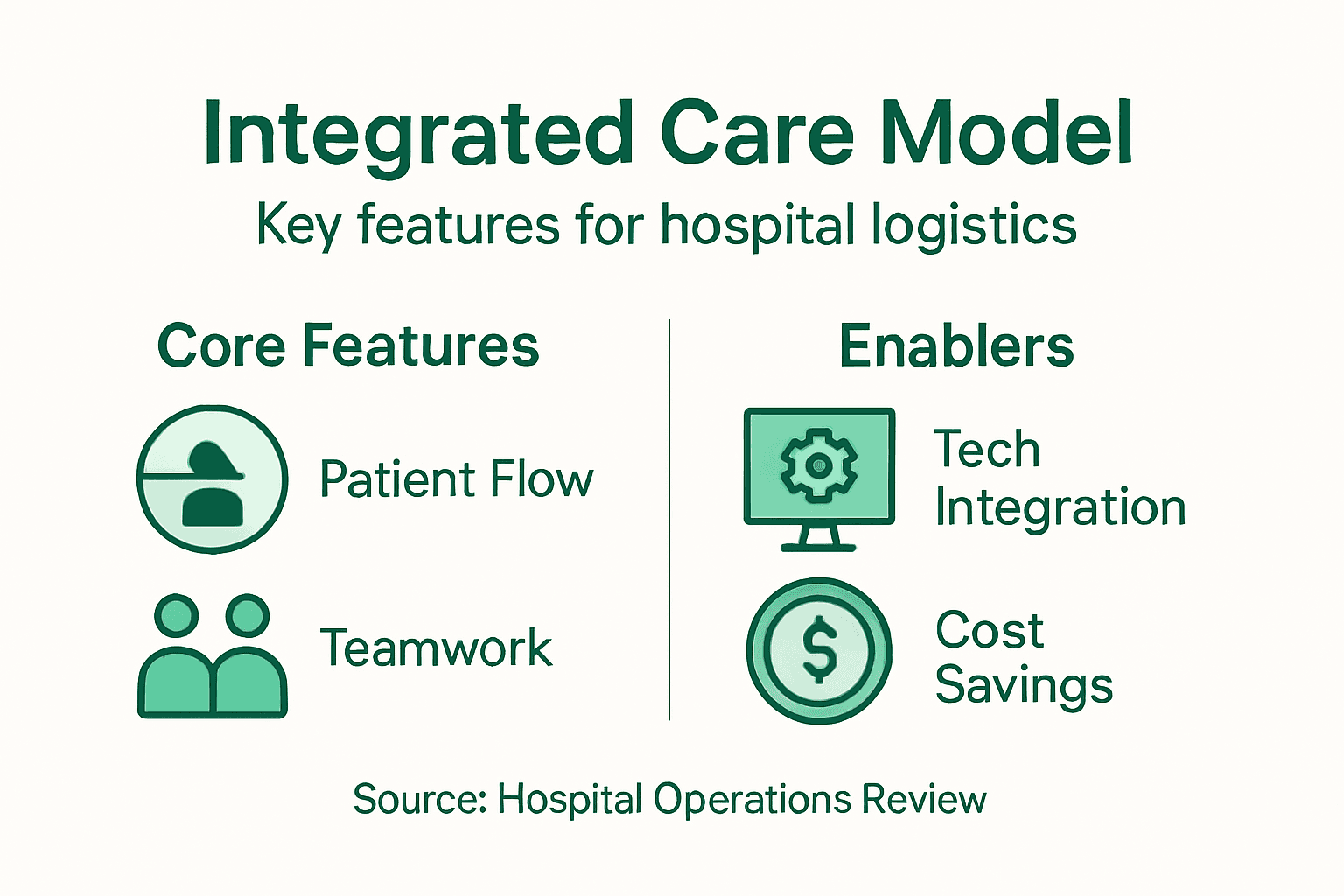
Strategic Mitigation Approaches include:
The following table highlights common implementation challenges in integrated care management and possible solutions:
| Challenge | Example Impact | Mitigation Approach |
|---|---|---|
| Inter-organizational complexity | Delayed decision making | Establish clear governance |
| Technology investment | High financial demands | Utilize scalable digital platforms |
| Workforce readiness | Staff resistance to change | Comprehensive training programs |
| Regulatory compliance | Risk of noncompliance fines | Dedicated compliance oversight |
| Funding limitations | Unfinished implementations | Flexible, phased budgeting |
- Developing comprehensive change management strategies
- Creating flexible funding models
- Establishing clear governance structures
- Implementing standardized outcome measurement protocols
Pro tip: Develop a phased implementation strategy with clear milestones, allocate dedicated resources for organizational change management, and create transparent communication channels across different healthcare stakeholders.
Elevate Hospital Logistics with Integrated Care Management Solutions
Hospitals today face the critical challenge of transforming fragmented logistics into seamless, patient-centered operations as highlighted in the “Integrated Care Management Model: Improving Hospital Logistics” article. Key pain points such as inefficient patient flow, lack of real-time communication, and administrative bottlenecks demand innovative solutions that enable proactive health management and comprehensive care coordination.
VectorCare’s digital platform answers these exact challenges by offering an integrated suite of tools designed to optimize scheduling, enable real-time updates, and automate patient transportation and resource allocation. With features like AI-driven dispatching and interoperable communication, VectorCare turns complex hospital logistics into a synchronized, efficient ecosystem aligned with integrated care principles. Discover how to reduce delays, lower operational costs, and enhance patient outcomes through scalable technology ready to support hospital and community health needs.
Are you ready to take control of your hospital’s logistics and advance patient-centered care?
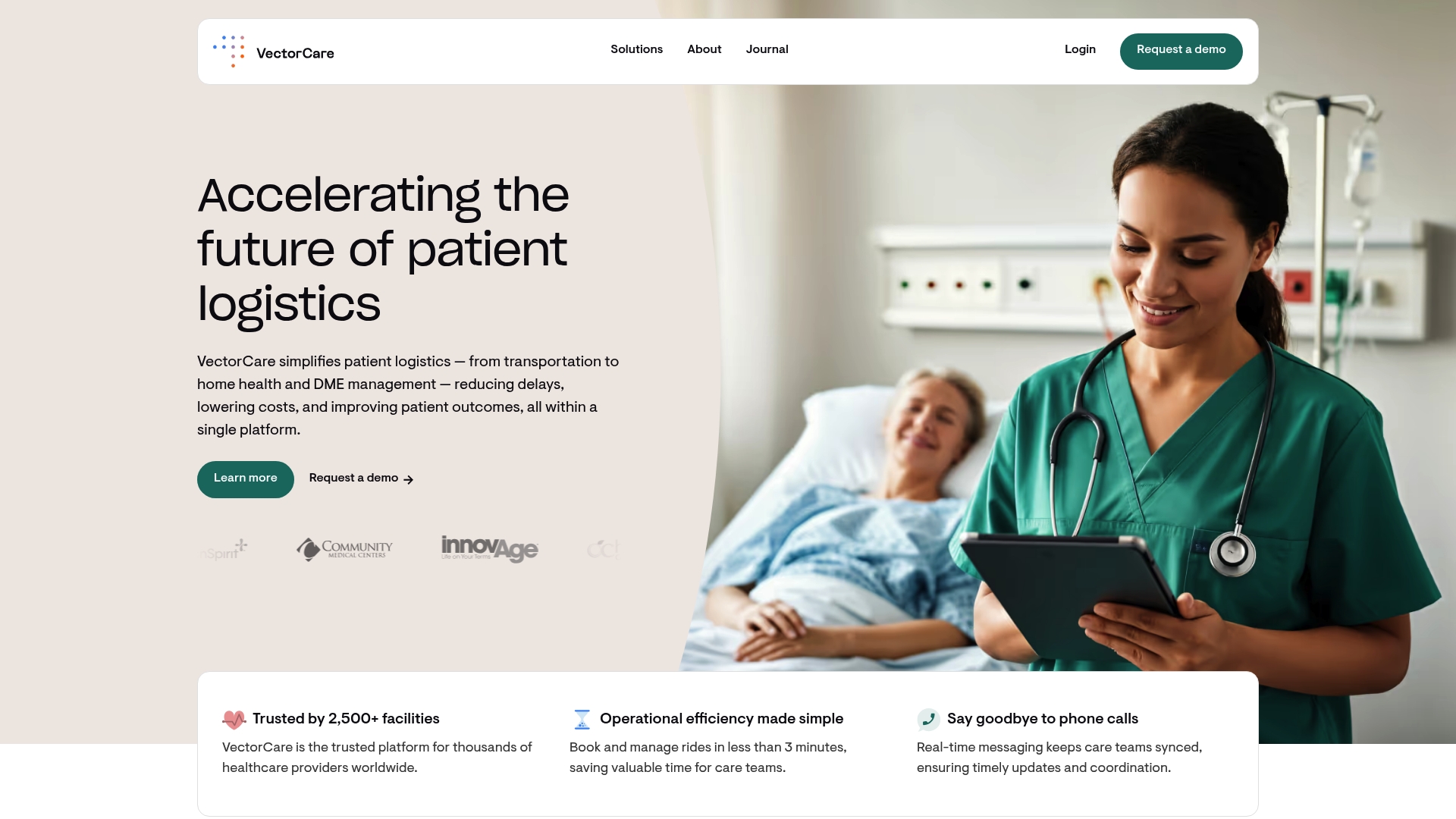
Explore how VectorCare can streamline your operations starting today. Visit VectorCare and take the first step toward modern healthcare logistics that truly deliver. Learn more about our comprehensive solutions at VectorCare Digital Platform and see how integrated care management can work for your organization.
Frequently Asked Questions
What is integrated care management?
Integrated care management is a comprehensive approach that transforms traditional healthcare delivery by creating patient-centered systems that coordinate services across multiple providers and care settings.
How does integrated care management improve hospital logistics?
Integrated care management enhances hospital logistics by streamlining patient flow, optimizing resource allocation, and reducing administrative bottlenecks, ultimately improving scheduling efficiency and minimizing patient wait times.
What are the core characteristics of integrated care management?
The core characteristics include holistic patient assessment, continuous care coordination, interdisciplinary collaboration, data-driven decision-making, proactive health management, personalized care planning, and seamless information exchange.
What challenges are associated with implementing integrated care management?
Key challenges include inter-organizational complexity, substantial technology investments, workforce training, regulatory compliance, and securing appropriate funding. Strategic leadership and change management strategies can help mitigate these challenges.