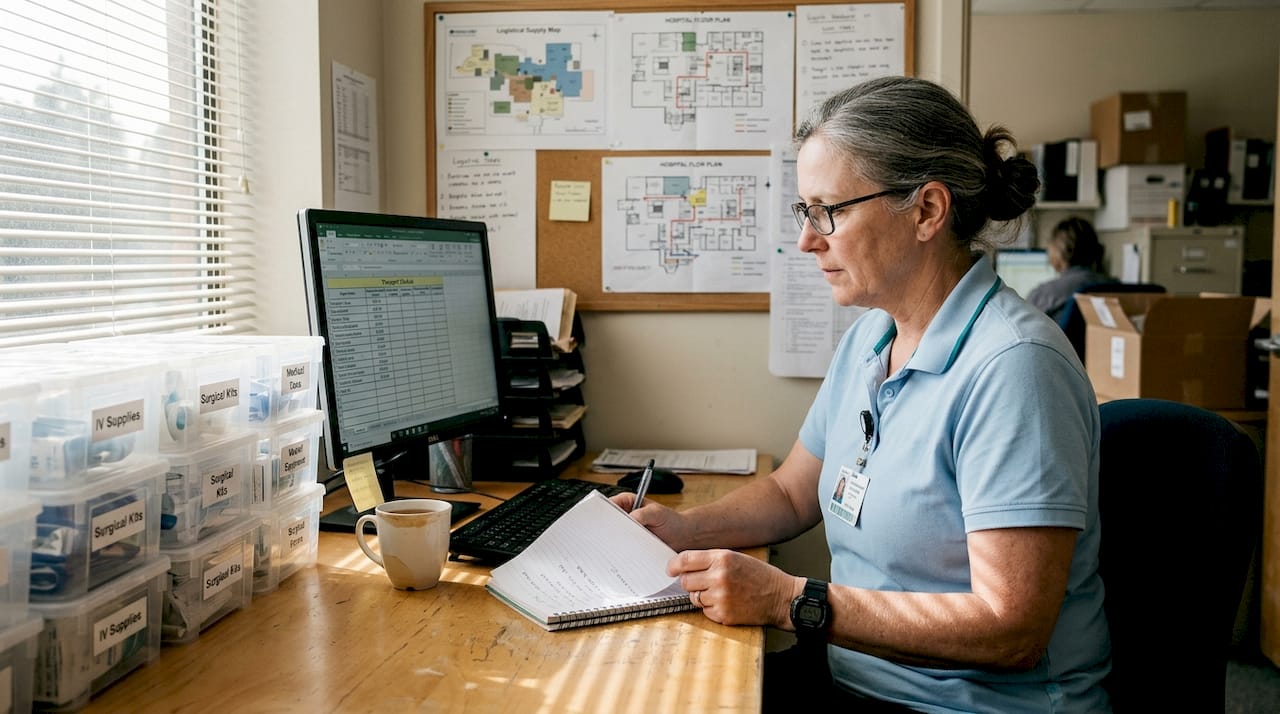
Improving Discharge Planning for Seamless Patient Care

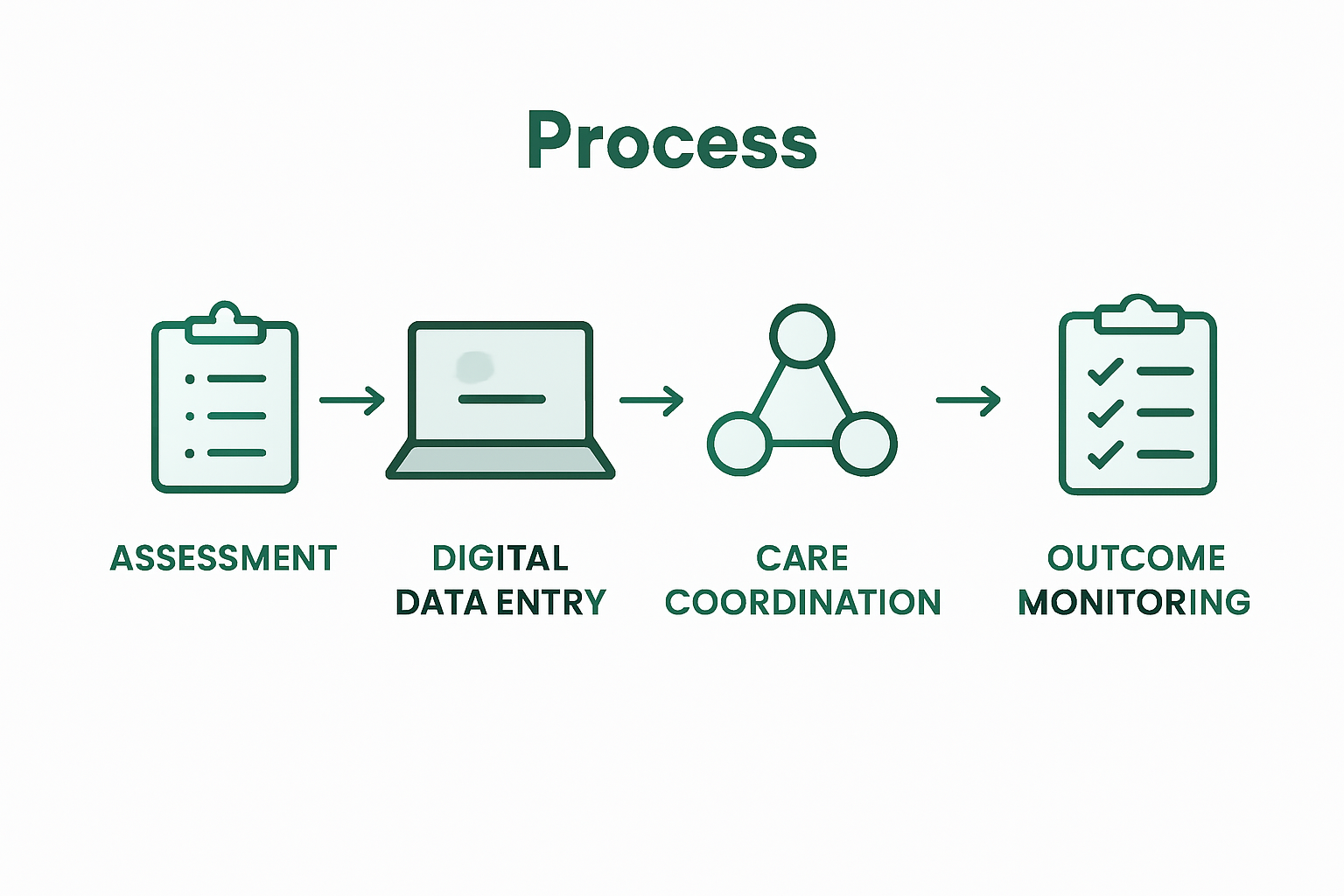
Over twenty percent of American hospital readmissions are preventable with better discharge planning. For healthcare teams, ensuring a smooth transition from hospital to home involves more than just paperwork. By tackling common pitfalls in patient assessment, digital documentation, care coordination, and logistics, you can build an effective system that keeps American patients safer and reduces costly complications.
Table of Contents
- Step 1: Assess Patient Needs And Identify Key Stakeholders
- Step 2: Digitize Workflows And Centralize Discharge Data
- Step 3: Automate Care Coordination Across Providers
- Step 4: Optimize Transportation And Equipment Arrangements
- Step 5: Monitor Outcomes And Verify Discharge Effectiveness
Quick Summary
| Key Insight | Explanation |
|---|---|
| 1. Conduct Comprehensive Patient Assessments | Thoroughly assess patients’ medical, social, and emotional needs to ensure smooth transitions and reduce readmission risks. |
| 2. Centralize Digital Discharge Data | Implement a digital system to streamline information sharing among healthcare teams, minimizing miscommunication and enhancing patient care. |
| 3. Automate Care Coordination | Use technology to foster real-time communication among providers, ensuring all stakeholders are informed and responsive to patient needs. |
| 4. Coordinate Transportation and Equipment | Plan logistics for safe transportation and necessary medical equipment, ensuring patients’ needs are met during their transition home. |
| 5. Monitor Post-Discharge Outcomes | Establish a feedback system to evaluate discharge effectiveness, targeting areas for continuous improvement and enhancing patient recovery experiences. |
Step 1: Assess Patient Needs and Identify Key Stakeholders
Effective discharge planning starts with a comprehensive patient needs assessment that brings together all critical healthcare partners. Your goal is to create a holistic understanding of the patient’s medical, social, and emotional requirements for a successful transition from hospital to home or next care setting.
Begin by conducting an in-depth interview with the patient and their family, focusing on medical history, current health status, and potential post discharge challenges. Collaborative communication among patients, families, clinicians, and managers helps establish shared expectations and improve overall outcomes. Key stakeholders typically include the patient, primary care physician, specialists, nursing staff, social workers, and family caregivers. Each plays a unique role in understanding the patient’s comprehensive care needs.
Specifically, gather information about the patient’s support system, home environment, mobility limitations, medication management capabilities, and potential barriers to recovery. Document these insights systematically to develop a personalized discharge plan that addresses individual requirements. A thorough assessment ensures smoother transitions and reduces the likelihood of readmission by proactively identifying and mitigating potential complications.
Step 2: Digitize Workflows and Centralize Discharge Data
Transforming your discharge process requires strategic digital integration that simplifies complex medical information management. Your primary objective is to create a centralized digital ecosystem that streamlines communication, reduces administrative burden, and ensures accurate patient data tracking across multiple healthcare teams.
Developing a multidisciplinary electronic discharge readiness tool can dramatically improve coordination by integrating input from various stakeholders. Start by selecting a comprehensive electronic health record system that allows seamless data sharing between departments. This means implementing platforms that enable real time updates, secure information exchange, and comprehensive patient profile management. An electronic medication request dashboard can specifically help streamline medication processing at discharge, reducing potential delays and enhancing communication between nursing and pharmacy staff.
Centralizing discharge data requires careful attention to interoperability and user experience. Ensure your digital workflow captures critical information including patient medical history, current treatment plans, medication details, follow up appointments, and post discharge care instructions. By creating a single source of truth, you minimize miscommunication risks and support more coordinated patient transitions. Your digital system should be intuitive, allowing healthcare professionals to quickly access and update patient information while maintaining strict privacy and compliance standards.
Step 3: Automate Care Coordination Across Providers
Automating care coordination requires strategic implementation of technology that connects multiple healthcare stakeholders seamlessly. Your goal is to create an integrated communication system that enables real time information sharing, reduces communication gaps, and supports comprehensive patient management across different healthcare settings.
Hospital stakeholder collaboration tools can significantly enhance communication and service delivery. Implement interoperable platforms that allow instant data exchange between primary care physicians, specialists, nursing teams, and ancillary service providers. Proprietary software monitoring patient status can facilitate rapid communication, enabling healthcare teams to quickly address potential complications or treatment adjustments. Focus on creating automated workflows that trigger notifications, schedule follow ups, and track patient progress across different care settings.
Successful automation requires selecting platforms with robust security protocols and comprehensive integration capabilities. Ensure your chosen system supports multiple data formats, provides real time updates, and maintains patient privacy standards. By building an interconnected digital ecosystem, you minimize communication delays, reduce administrative overhead, and create a more responsive patient care network that adapts quickly to changing medical needs.
Step 4: Optimize Transportation and Equipment Arrangements
Discharge planning requires meticulous coordination of transportation and medical equipment to ensure patients transition smoothly from hospital to home. Your primary goal is to create a comprehensive logistics strategy that addresses patient mobility, medical supply needs, and safe transportation arrangements.
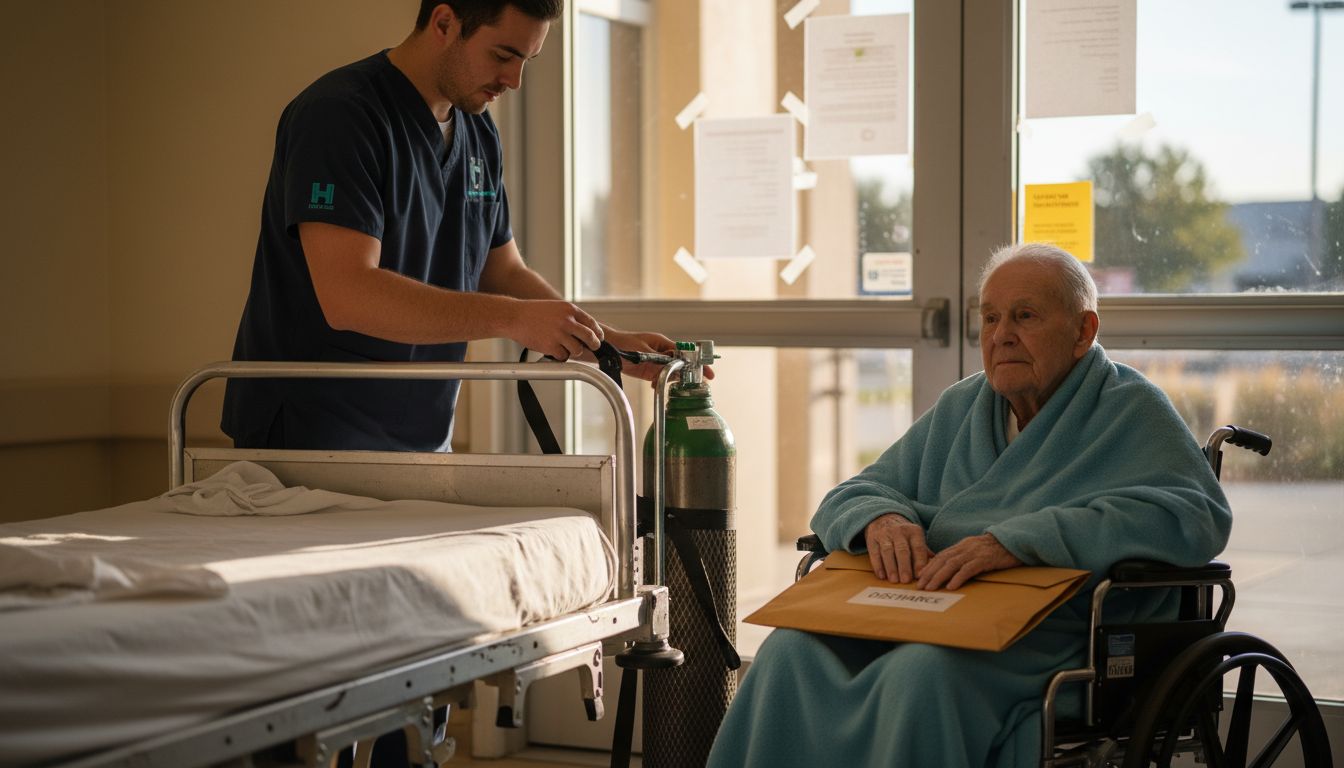
Assessing discharge needs involves carefully evaluating transportation availability and specialized equipment requirements. Begin by conducting a thorough patient assessment that identifies specific mobility challenges, medical equipment dependencies, and transportation constraints. Maximizing efficiencies in patient logistics means coordinating with medical supply vendors, medical transportation services, and home health providers to schedule precise delivery windows for medical equipment and arrange appropriate transportation resources.
Prioritize patient safety and comfort by confirming all equipment specifications match patient needs and transportation vehicles can accommodate medical devices and mobility requirements. Verify insurance coverage for transportation and medical equipment, and establish backup plans for potential logistical challenges. A well coordinated discharge plan reduces readmission risks and provides patients with a sense of security during their transition from hospital to home care environment.
Step 5: Monitor Outcomes and Verify Discharge Effectiveness
Successful discharge planning extends beyond patient release and requires systematic tracking of patient recovery and transition outcomes. Your objective is to develop a comprehensive monitoring strategy that evaluates the effectiveness of your discharge protocols and identifies opportunities for continuous improvement.
Interprofessional collaboration and communication plays a critical role in evaluating discharge success through careful analysis of key performance indicators. Establish a robust tracking system that monitors readmission rates, patient reported outcomes, and potential complications within 30 days post discharge. Implementing written protocols helps standardize assessment processes and enables early identification of patients who might be at higher risk for negative post discharge outcomes.
Create a feedback loop that involves patients, primary care providers, and specialists to gather comprehensive insights into discharge effectiveness. Regularly review data points such as medication adherence, follow up appointment attendance, and patient satisfaction scores. This systematic approach not only helps improve individual patient care but also allows healthcare systems to refine discharge planning strategies proactively, ultimately reducing readmission rates and enhancing overall patient recovery experiences.
Enhance Your Discharge Planning with VectorCare’s Integrated Solutions
Improving discharge planning involves tackling challenges such as fragmented care coordination, inefficient logistics, and delayed communication. As the article highlights, assessing patient needs, digitizing workflows, automating care coordination, and optimizing transportation and equipment arrangements are essential steps to ensure seamless patient transitions and reduced readmission risks. VectorCare understands these pain points and offers a comprehensive digital platform designed to unify healthcare stakeholders through automation, real time updates, and AI-driven dispatching.
With VectorCare’s tools, healthcare providers can streamline patient transportation, manage durable medical equipment delivery, and coordinate home health services within one secure ecosystem. This scalable solution reduces operational costs and administrative burden while improving patient outcomes by ensuring timely and accurate discharge communications. Experience how integrating automated workflows and centralized data can transform your discharge process today.
Unlock the full potential of your discharge planning with VectorCare. Visit VectorCare’s platform to explore how our innovative solutions align with best practices in patient transition of care. Learn more about how technology tackles discharge delays and maximize efficiencies through better patient logistics.
Start elevating your patient discharge experience now by exploring VectorCare’s platform and creating seamless coordination across providers, transportation, and medical equipment delivery. Act now to reduce readmissions and improve patient satisfaction by visiting https://vectorcare.com.
Frequently Asked Questions
What steps can I take to assess patient needs for effective discharge planning?
To assess patient needs, conduct a thorough interview with the patient and their family to gather information about medical history, current health status, and recovery challenges. Focus on understanding the patient’s support system and any barriers they may face at home.
How can I centralize discharge data for better communication?
Centralize discharge data by implementing an electronic health record system that allows real-time data sharing and updates among healthcare providers. Organize patient information such as medical history and follow-up care details in one accessible location to enhance communication predictably.
What strategies can I use to automate care coordination during discharge?
Automate care coordination by utilizing technology that connects primary care physicians, specialists, and nursing staff. Implement automated workflows to send notifications, schedule follow-ups, and track patient progress, allowing for a more efficient communication network.
How should I optimize transportation and equipment arrangements for patients?
To optimize transportation and equipment arrangements, evaluate each patient’s mobility needs and ensure timely delivery of necessary medical supplies. Establish clear communication with transportation services to confirm that vehicles can accommodate any required medical equipment, prioritizing patient safety and comfort.
What methods can I use to monitor post-discharge patient outcomes?
Monitor post-discharge patient outcomes by developing a tracking system to evaluate readmission rates and patient satisfaction within 30 days after discharge. Engage with patients and healthcare providers to gather feedback and assess the effectiveness of discharge protocols.
How can I ensure that my discharge planning reduces readmission rates?
To reduce readmission rates, create a personalized discharge plan that includes comprehensive follow-up care instructions and addresses potential post-discharge complications. Regularly review patient feedback and recovery metrics to identify areas for improvement and refine your planning process accordingly.