Improving Access to Healthcare in Rural America
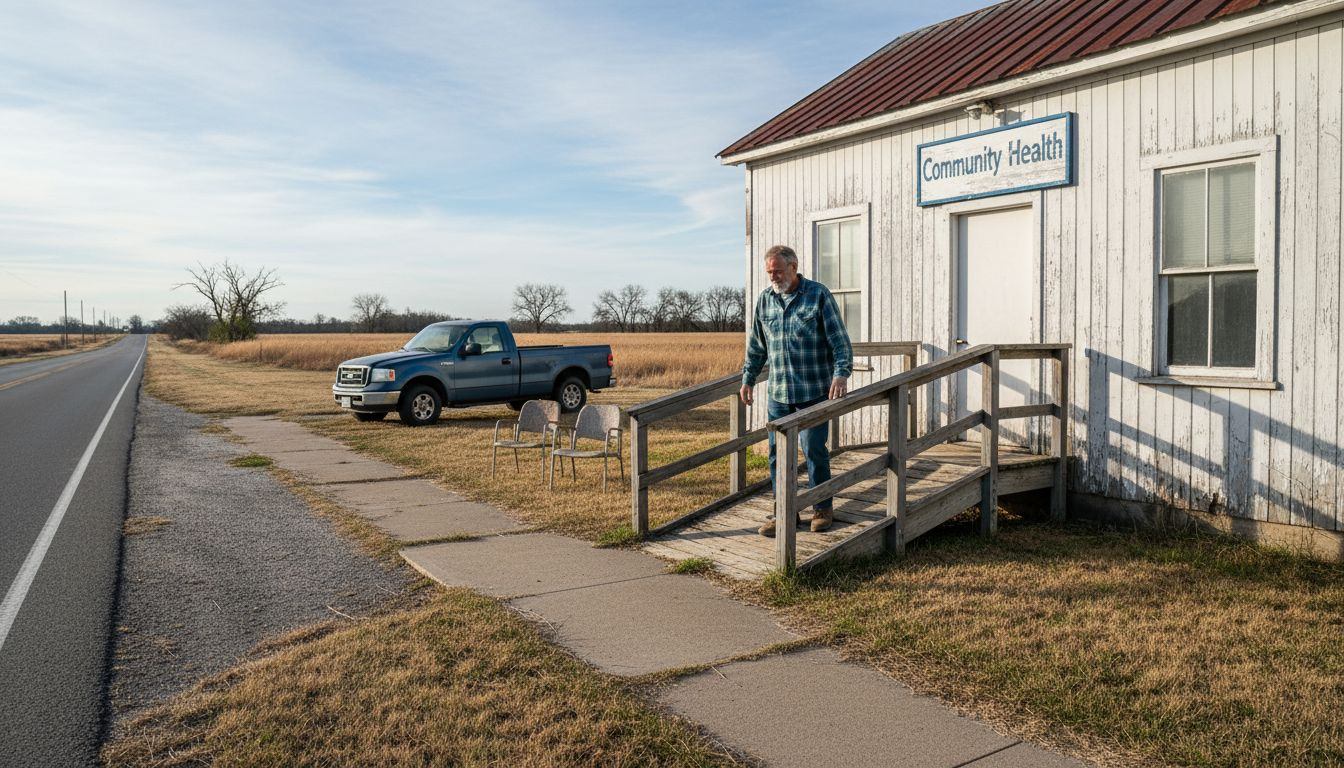
When a community member must travel hours for a simple medical appointment, the impact on health outcomes becomes clear. For rural hospitals across the United States, overcoming barriers like workforce shortages and long distances is not just an operational concern but a matter of patient well-being. This discussion offers practical insights into the complex challenges that define rural healthcare access and reveals actionable strategies to help administrators strengthen their hospital’s logistical foundation.
Table of Contents
- Defining Rural Healthcare Access Challenges
- Key Barriers Affecting Rural Communities
- Innovative Solutions: Telehealth and Mobile Services
- Optimizing Patient Transportation and Logistics
- Strengthening the Rural Health Workforce
- Measuring Outcomes and Avoiding Common Pitfalls
Key Takeaways
| Point | Details |
|---|---|
| Rural Healthcare Access Barriers | Rural communities face significant healthcare challenges, including workforce shortages and geographic isolation, which impact health outcomes. |
| Telehealth as a Solution | Telehealth technologies greatly reduce travel needs and enhance access to specialists for rural residents, improving healthcare delivery. |
| Optimizing Transportation | Comprehensive transportation strategies are crucial for improving patient access to services, particularly for vulnerable populations. |
| Strengthening the Workforce | Innovative recruitment and retention strategies, such as loan forgiveness and community partnerships, are essential for building a sustainable rural health workforce. |
Defining Rural Healthcare Access Challenges
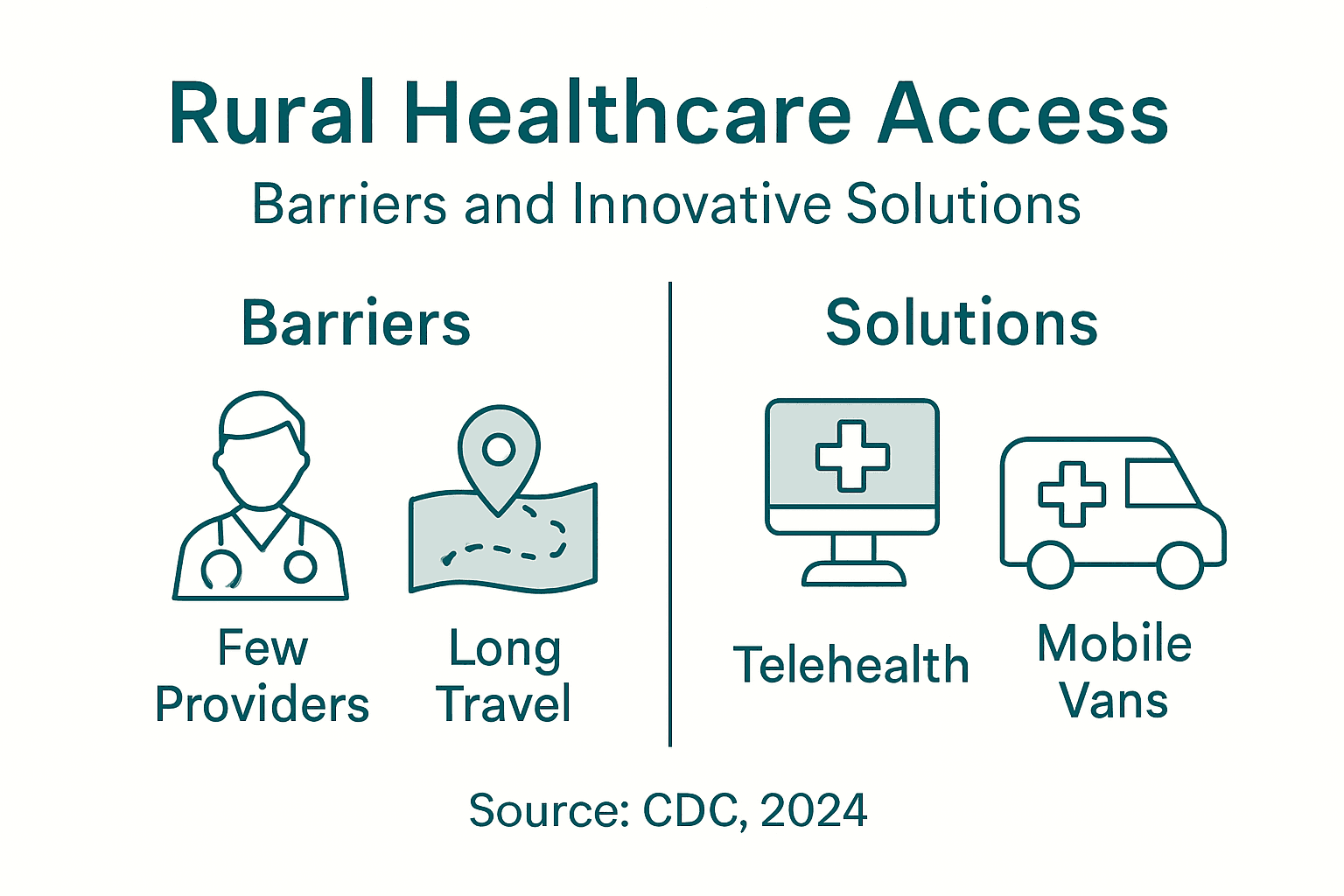
Rural American communities face significant healthcare access barriers that dramatically impact population health outcomes. Limited healthcare infrastructure creates substantial challenges for residents seeking medical services, with geographic isolation being a primary obstacle.
The core challenges in rural healthcare access include profound workforce shortages, increased travel distances to medical facilities, and limited specialized care options. Small rural hospitals have been closing at an alarming rate, leaving entire communities without immediate medical resources. Research indicates that rural residents experience higher mortality rates and more complex health complications compared to urban populations, directly linked to reduced healthcare accessibility.
Specific barriers include fewer healthcare providers per capita, extended travel times to receive treatment, limited medical technology infrastructure, and economic constraints preventing recruitment of medical professionals. The shortage of specialists like obstetricians, mental health professionals, and emergency care physicians creates significant gaps in comprehensive healthcare delivery. Geographic isolation compounds healthcare inequities by restricting residents’ ability to access timely and comprehensive medical services.
Pro Tip: Healthcare administrators should prioritize telemedicine infrastructure and incentive programs to attract medical professionals to rural communities.
Key Barriers Affecting Rural Communities
Rural healthcare access confronts numerous complex obstacles that systematically undermine medical service delivery. Healthcare disparities emerge from multiple interconnected challenges, creating significant barriers for rural residents seeking medical treatment and preventive care.
The primary barriers include profound workforce shortages, financial constraints, and infrastructural limitations. Rural communities experience dramatically reduced healthcare provider density, with fewer physicians, specialists, and medical professionals per capita compared to urban regions. This shortage creates extended wait times, longer travel distances, and reduced specialized care options. Economic challenges compound these issues, as rural hospitals struggle with financial sustainability, leading to facility closures and further restricting medical access.
Socioeconomic factors play a critical role in rural healthcare barriers. High poverty rates and limited health literacy significantly impact residents’ ability to access and effectively utilize healthcare services. Transportation difficulties, inadequate insurance coverage, and cultural stigma surrounding seeking medical treatment create additional layers of complexity. Mental health services remain particularly challenging, with rural communities experiencing limited psychological support infrastructure and significant treatment gaps.
Pro Tip: Develop targeted recruitment programs offering financial incentives and loan forgiveness to attract healthcare professionals to underserved rural communities.
Innovative Solutions: Telehealth and Mobile Services
Telehealth technologies represent a transformative approach to addressing healthcare access challenges in rural American communities. By leveraging electronic telecommunications, these innovative solutions bridge critical gaps in medical service delivery, offering unprecedented opportunities for remote patient care and medical consultation.
Mobile healthcare services and telehealth platforms enable rural residents to overcome traditional barriers of distance and provider scarcity. Advanced telecommunication technologies allow patients to connect with healthcare professionals through video consultations, remote monitoring systems, and digital health platforms. These solutions dramatically reduce travel requirements, decrease healthcare costs, and provide timely medical interventions that might otherwise be unavailable. Specialized medical expertise can now reach patients in the most remote regions, effectively democratizing healthcare access.
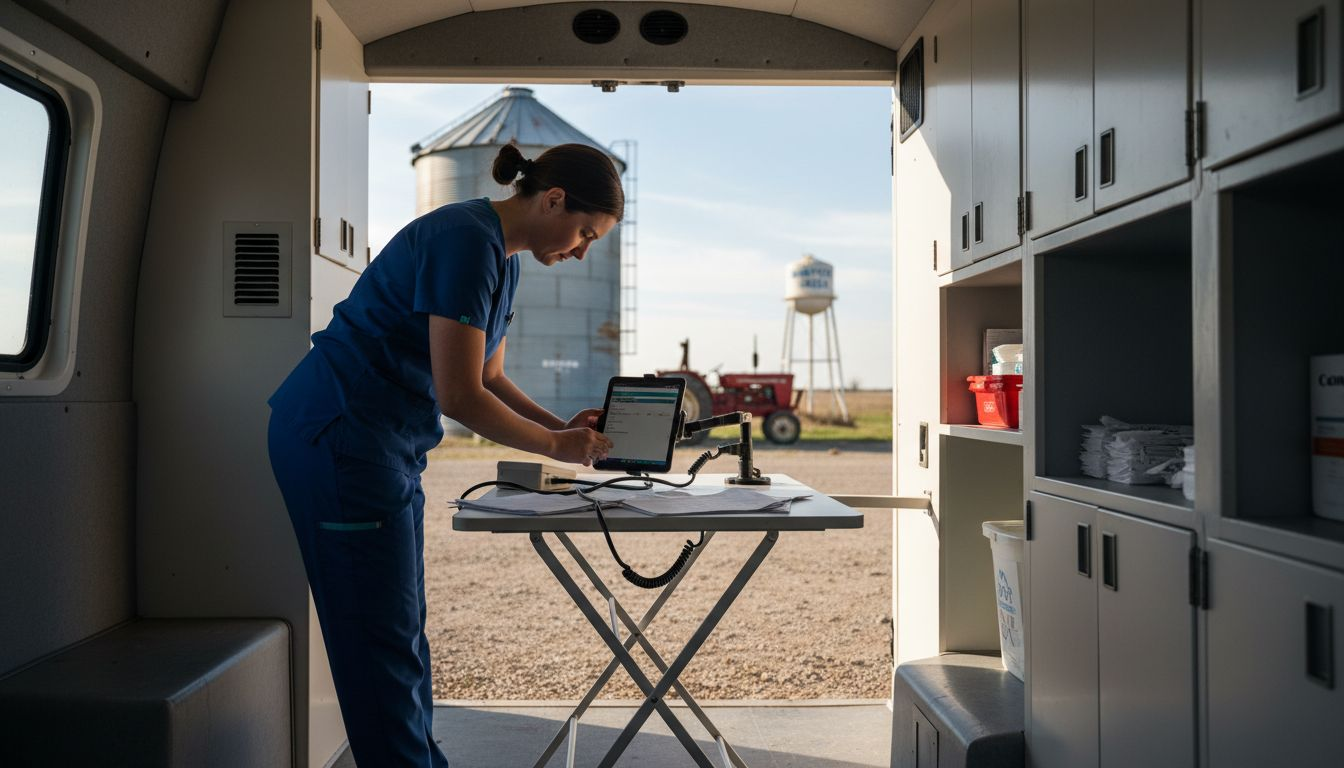
The COVID-19 pandemic accelerated telehealth adoption, revealing its potential to revolutionize rural healthcare delivery. Telehealth interventions demonstrate significant improvements in patient satisfaction, provider recruitment, and overall healthcare accessibility. Key technological innovations include remote diagnostic tools, digital prescription management, mental health counseling platforms, and real-time health monitoring systems that enable continuous patient care without physical proximity.
The following table summarizes how telehealth and mobile services address key rural healthcare barriers:
| Barrier Addressed | How Telehealth Helps | How Mobile Services Help |
|---|---|---|
| Long travel distances | Enables remote video consultations | Brings care directly to patients |
| Provider shortages | Delivers access to specialists online | Deploys rotating medical teams |
| High care costs | Reduces transportation expenses | Lowers need for hospital visits |
| Limited specialized care | Connects to urban medical expertise | Offers targeted specialty clinics |
Pro Tip: Invest in robust broadband infrastructure and provide digital literacy training to maximize telehealth adoption in rural communities.
Optimizing Patient Transportation and Logistics
Transportation challenges represent a critical barrier to healthcare access in rural American communities. These logistical obstacles directly impact patient health outcomes, creating complex systemic challenges that require innovative and comprehensive solutions.
Rural healthcare providers must develop strategic approaches to overcome transportation limitations. This involves creating comprehensive transportation networks that address the unique needs of vulnerable populations, including older adults, individuals with disabilities, and low-income residents. Integrated transportation solutions can include partnerships with local community organizations, nonprofit groups, and transportation service providers to create flexible, responsive medical transportation systems that reduce patient isolation and improve healthcare engagement.
Successful transportation optimization requires a multifaceted approach. Rural hospitals are developing collaborative strategies that combine technology, community resources, and innovative funding models to address transportation barriers. This might include implementing specialized medical shuttle services, developing ride-sharing programs, utilizing telehealth to reduce travel requirements, and creating comprehensive support systems that address the full spectrum of patient transportation challenges.
Pro Tip: Develop a comprehensive transportation needs assessment that maps patient demographics, geographic challenges, and existing transportation infrastructure to create targeted mobility solutions.
Strengthening the Rural Health Workforce
Healthcare workforce strategies are critical for addressing the complex challenges facing rural medical service delivery. Rural communities consistently struggle with provider recruitment, retention, and sustainable staffing models that can effectively meet community health needs.
Comprehensive workforce development requires a multifaceted approach that goes beyond traditional recruitment methods. This includes creating innovative training programs, developing interprofessional collaboration frameworks, and implementing targeted incentive structures that make rural practice attractive. Educational institutions, healthcare systems, and local governments must work together to design comprehensive pathways that support healthcare professionals throughout their career trajectories, with specific attention to the unique demands of rural practice environments.
Rural hospitals are pioneering collaborative workforce strategies that leverage technology, community partnerships, and flexible professional roles. These approaches include expanding scopes of practice, removing regulatory barriers, utilizing telehealth platforms, and creating support systems that address provider burnout. Strategic workforce development must focus on creating sustainable, adaptable healthcare models that can respond to evolving community health requirements and technological advancements.
Pro Tip: Develop comprehensive loan forgiveness and professional development programs specifically designed to attract and retain healthcare professionals in rural communities.
Here is a comparison of traditional vs. innovative rural recruitment strategies:
| Strategy Type | Description | Example Impact |
|---|---|---|
| Traditional Recruitment | Basic job posting, no incentives | Low long-term retention rates |
| Incentive-Based Recruitment | Loan forgiveness, bonuses | Increases interest from new graduates |
| Community Partnerships | Collaborations with local organizations | Builds local workforce pipeline |
| Telehealth Integration | Remote work opportunities for providers | Expands available talent pool |
Measuring Outcomes and Avoiding Common Pitfalls
Healthcare quality measurement represents a complex challenge for rural healthcare providers, requiring sophisticated strategies to overcome inherent systemic limitations. Rural healthcare administrators must develop nuanced approaches that account for unique contextual constraints while maintaining rigorous performance standards.
Successful outcome measurement demands comprehensive data collection strategies that transcend traditional metrics. This involves creating robust tracking systems that capture patient outcomes, provider performance, and systemic efficiency across multiple dimensions. Healthcare leaders must implement standardized evaluation frameworks that can accommodate the variability of rural healthcare environments, including low patient volumes, limited technological infrastructure, and diverse community health needs.
Strategic public health planning requires advanced methodological approaches to overcome data collection challenges. Key strategies include developing collaborative partnerships, leveraging technology for remote monitoring, implementing evidence-based practice guidelines, and creating flexible measurement protocols that can adapt to evolving healthcare landscapes. Critical focus areas include reducing health disparities, improving preventative care engagement, and developing responsive healthcare models that can effectively serve rural populations.
Pro Tip: Implement a comprehensive data governance framework that standardizes outcome measurement while remaining flexible enough to capture the unique characteristics of rural healthcare delivery.
Empower Rural Healthcare Access with VectorCare’s Patient Logistics Platform
Rural communities face critical barriers in healthcare including transportation challenges, provider shortages, and logistical complexities described throughout “Improving Access to Healthcare in Rural America.” These hurdles cause delayed care and increased health risks. VectorCare understands that optimizing patient transportation and streamlining healthcare logistics is essential to bridging these gaps. Our integrated digital platform provides healthcare providers, payers, and regional agencies with powerful tools like AI-driven dispatching, scheduling optimization, and secure communication to reduce delays and improve outcomes.
Discover how VectorCare’s platform can transform rural patient logistics by automating transportation management and enabling real-time updates that keep care on track. Don’t let transportation and coordination issues limit access to timely treatment. Visit VectorCare today to explore solutions designed to ease rural healthcare challenges. Take the first step now toward improving patient care coordination and reducing operational costs with a scalable, user-friendly platform built for your needs.
Frequently Asked Questions
What are the main challenges to healthcare access in rural areas?
Rural areas face challenges including workforce shortages, limited healthcare facilities, longer travel distances, and reduced access to specialized care, which contribute to poorer health outcomes.
How can telehealth improve healthcare access in rural communities?
Telehealth can reduce travel needs, provide access to specialists, lower overall costs, and facilitate timely medical interventions, making healthcare more accessible for rural residents.
What strategies can be used to overcome transportation barriers in rural healthcare?
Strategies can include developing transportation networks, partnerships with community organizations for flexible transportation options, and utilizing telehealth to minimize the need for travel to receive care.
How can recruitment and retention of healthcare professionals in rural regions be improved?
Organizations can implement incentive programs such as loan forgiveness, targeted recruitment efforts, training partnerships, and supportive work environments to attract and retain healthcare professionals in rural communities.
Recommended
- 4 Tools to Improve Patient Outcomes | VectorCare
- The Patient’s Journey Podcast: Rachel Smith | VectorCare
- US Healthcare Experts: How COVID-19 Will Impact the Industry | VectorCare
- 7 Ways to Improve Outcomes for Medicare Advantage Members | VectorCare
- 7 Key Types of CRM Systems Every Healthcare CIO Must Know