How to Reduce Operational Costs Healthcare: Step-by-Step Guide

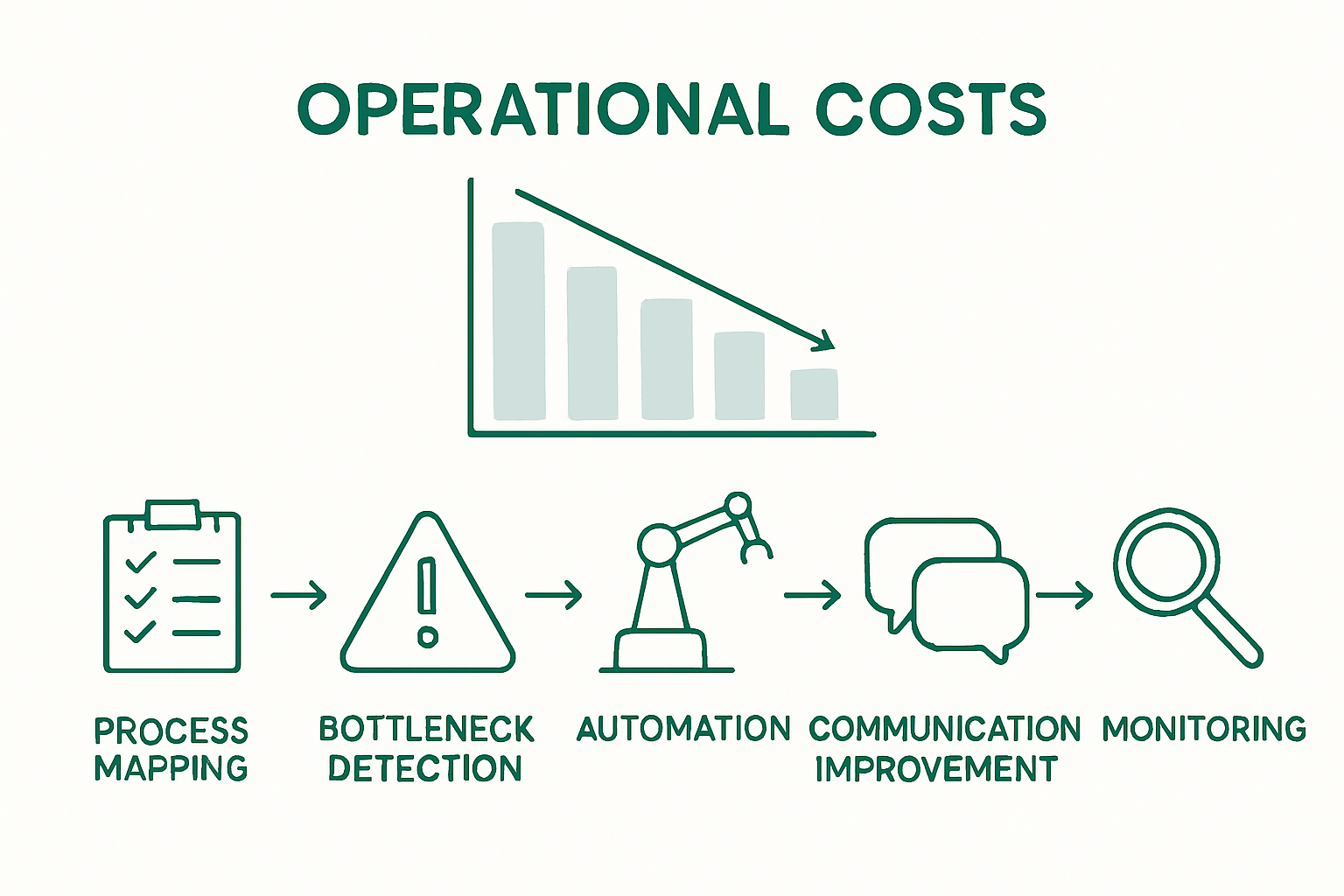
Over half of all American healthcare organizations report that inefficient processes account for a significant portion of their operational costs. As budgets tighten and expectations rise, uncovering and addressing workflow challenges becomes more urgent than ever. By focusing on practical steps to analyze, streamline, and digitally enhance your daily operations, you can find cost savings while improving patient care and organizational resilience.
Table of Contents
- Step 1: Assess Current Operational Processes
- Step 2: Identify Inefficiencies and Bottlenecks
- Step 3: Implement Automation and Digital Tools
- Step 4: Streamline Communication and Coordination
- Step 5: Monitor Results and Optimize Continuously
Quick Summary
| Key Point | Explanation |
|---|---|
| 1. Assess Current Processes | Analyze existing workflows to identify inefficiencies and improvement opportunities for operational cost reductions. |
| 2. Identify Key Bottlenecks | Focus on pinpointing specific delays in workflows that impact patient care and resource usage. |
| 3. Implement Automation Solutions | Leverage digital tools and automation to streamline repetitive tasks, improving efficiency and reducing manual workload. |
| 4. Enhance Communication Systems | Establish clear communication protocols and regular interdepartmental interactions to optimize information flow and collaboration. |
| 5. Monitor and Optimize Continuously | Develop a system for tracking performance metrics and implement ongoing improvements to maintain operational effectiveness. |
Step 1: Assess Current Operational Processes
Reducing healthcare operational costs starts with a comprehensive analysis of your existing workflows and processes. The goal is to create a clear, detailed snapshot of your current operational landscape, identifying inefficiencies and potential areas for improvement.
Begin by mapping out your organization’s critical workflows using value stream mapping techniques. This systematic approach allows you to track patient flows, provider interactions, and resource utilization. By visually documenting each step in your processes, you can quickly spot bottlenecks, redundancies, and unnecessary steps that drain financial resources. Look closely at administrative tasks, patient intake procedures, billing cycles, and interdepartmental communication channels.
One powerful modern strategy involves leveraging digital twin technology to create virtual replicas of your operational systems. These digital models enable you to simulate and analyze workflows without disrupting actual operations, providing deep insights into potential optimization strategies. Pay special attention to resource allocation, staff productivity, and process timing. Quantify the time and cost associated with each workflow step, creating a data-driven foundation for future improvements.
Warning: Avoid getting overwhelmed by the complexity of your operational processes. Start with the most resource-intensive or problematic areas first, and tackle improvements incrementally. Your next step will involve detailed cost analysis and prioritizing optimization opportunities.
Step 2: Identify Inefficiencies and Bottlenecks
After mapping your operational processes, the critical next step is pinpointing specific inefficiencies and bottlenecks that drain your healthcare organization’s resources. Your goal is to systematically analyze each workflow component and identify precise areas of operational waste and potential improvement.
Simulation techniques provide powerful insights into service delivery processes, helping you uncover key bottlenecks affecting patient waiting times and operational efficiency. Focus on critical areas like initial examination stations, discharge processes, and patient flow transitions. Examine each step carefully to understand where delays and inefficiencies emerge. In emergency departments, specific barriers often include non-urgent visits, inconsistent triage protocols, space limitations, staffing constraints, and coordination breakdowns that significantly impact overall operational performance.
To effectively identify bottlenecks, collect quantitative data on time spent in each process stage, track patient waiting times, and analyze staff productivity metrics. Look for repeating patterns of delay, redundant administrative steps, and areas where communication or handoff processes become complicated. Create a detailed inventory of these inefficiencies, ranking them by potential cost impact and operational disruption. This systematic approach transforms abstract workflow challenges into concrete opportunities for strategic improvement.
Warning: Do not attempt to solve every inefficiency simultaneously. Prioritize bottlenecks with the most significant financial and patient care implications. Your next step will involve developing targeted strategies to address these specific operational challenges.
Step 3: Implement Automation and Digital Tools
Transforming your healthcare operations requires strategic implementation of digital technologies that streamline workflows, reduce manual tasks, and optimize resource allocation. This step focuses on selecting and integrating intelligent automation solutions that can dramatically improve operational efficiency.
Integrating Kaizen principles with process mining capabilities provides a data-driven approach to continuous improvement in healthcare. Start by identifying repetitive administrative tasks suitable for automation such as patient scheduling, billing processes, inventory management, and documentation. Implement robotic process automation (RPA) tools that can handle routine tasks with greater speed and accuracy than manual processing. Consider enterprise software solutions that offer integrated workflows, real-time tracking, and comprehensive reporting capabilities.

Advanced analytical techniques like Fault Tree Analysis combined with Bayesian Networks can help you systematically evaluate and optimize equipment maintenance and operational processes. Prioritize digital tools that offer predictive maintenance, resource allocation optimization, and comprehensive performance analytics. Focus on solutions that provide actionable insights, enabling your organization to make data-driven decisions that reduce costs and improve patient care outcomes.
Warning: Successful digital transformation requires more than just purchasing technology. Invest in staff training, change management, and gradual implementation to ensure smooth adoption and maximize the potential of your new digital tools. Your next step will involve monitoring and refining these automated processes to continuously improve operational efficiency.
Step 4: Streamline Communication and Coordination
Effective communication and coordination are fundamental to reducing operational costs and improving patient care in healthcare settings. This step focuses on creating seamless interdepartmental workflows that minimize communication barriers and optimize information exchange.
Implementing integrated care pathways and optimizing triage systems can significantly address systemic inefficiencies in healthcare delivery. Start by establishing standardized communication protocols that ensure critical information flows smoothly between departments. Leverage telemedicine platforms for specialist consultations, which can reduce delays and improve real time decision making. Invest in communication technologies that support secure messaging, video conferencing, and instant information sharing across different teams and specialties.
Developing comprehensive process maps can help identify communication bottlenecks and staffing inefficiencies within your organization. Create visual workflow diagrams that highlight potential communication gaps, redundant processes, and opportunities for streamlining interactions. Implement regular interdepartmental meetings, develop shared digital dashboards, and establish clear escalation procedures that enable quick problem resolution and transparent information exchange.
Warning: Communication improvements require consistent training and cultural adaptation. Ensure all staff members understand and are committed to new communication protocols. Your next step will involve monitoring these communication strategies and making continuous refinements to optimize organizational efficiency.
Step 5: Monitor Results and Optimize Continuously
Continuous improvement is the cornerstone of sustainable operational efficiency in healthcare. This final step focuses on developing a robust system for tracking performance metrics, analyzing results, and implementing iterative improvements that drive long term cost reduction and operational excellence.
A conceptual framework combining Kaizen principles with process mining capabilities provides a structured approach to data driven continuous improvement. Establish a comprehensive dashboard that tracks key performance indicators across multiple dimensions of your healthcare operations. Implement real time monitoring systems that capture granular data about workflow efficiency, resource utilization, patient throughput, and cost metrics. Create regular reporting cycles where leadership can review these insights and make informed strategic decisions.
Efficiency metrics like average length of stay (ALOS) offer critical insights into operational performance. Develop a systematic approach to analyzing these metrics, comparing them against industry benchmarks and your organization’s historical performance. Look for patterns, anomalies, and opportunities for incremental improvements. Set up quarterly review sessions where interdepartmental teams can collaboratively discuss performance data, share insights, and develop targeted optimization strategies.
Warning: Continuous optimization is not about radical changes but strategic incremental improvements. Maintain a balance between data driven insights and practical implementation. Ensure your optimization efforts remain patient centered and aligned with your core healthcare mission.
Unlock Healthcare Operational Savings with VectorCare
The challenge of reducing operational costs in healthcare requires a smart, step-by-step approach to eliminate inefficiencies, automate routine tasks, and improve coordination. After assessing your workflows and identifying bottlenecks as detailed in the article, the next crucial step is adopting a digital platform that supports automation and seamless communication. VectorCare offers an integrated solution designed precisely to address these pain points by streamlining patient logistics and enhancing real-time coordination among providers, payers, and emergency services.
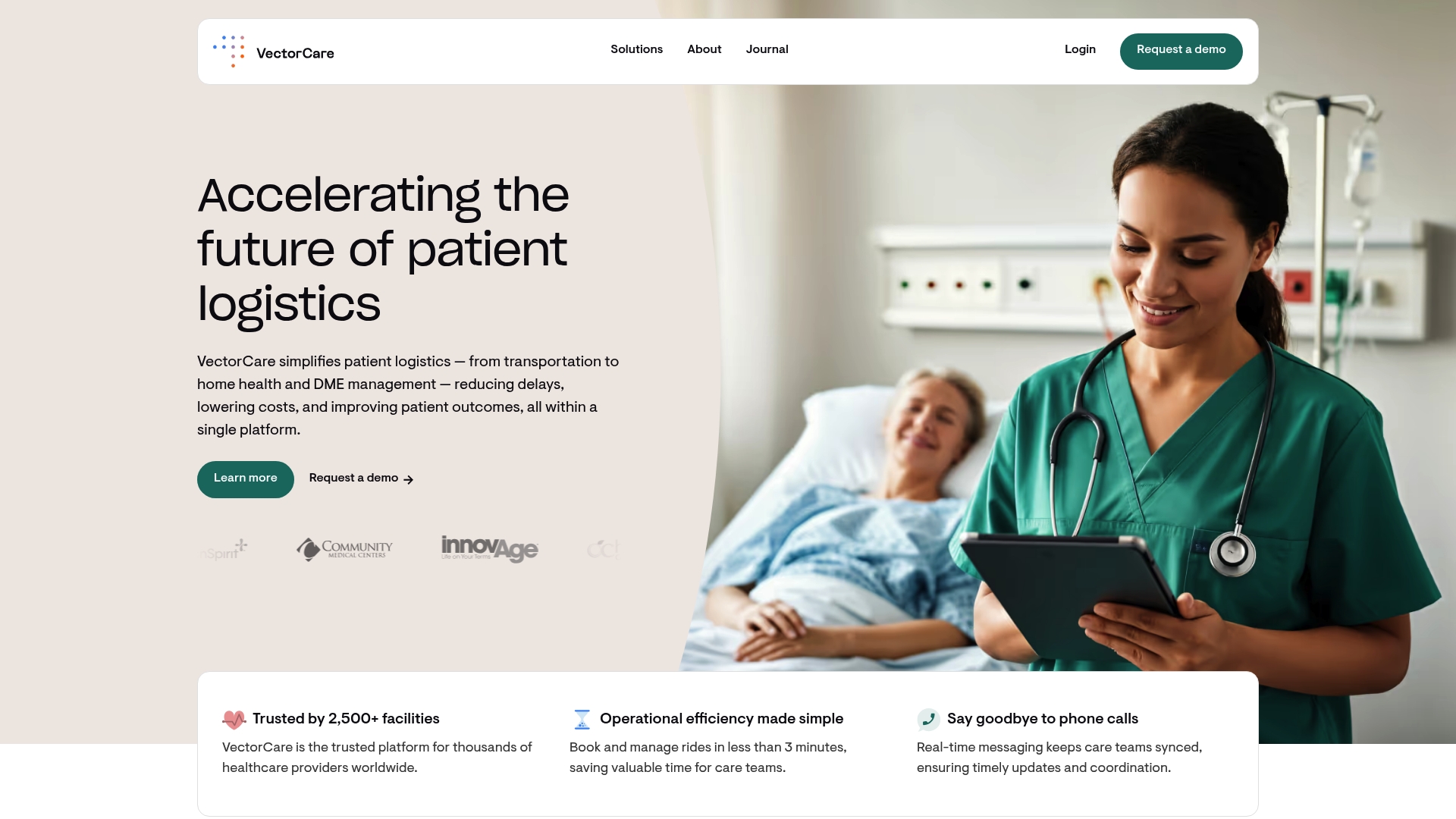
Take control of your healthcare operations with VectorCare’s advanced tools that deliver AI-driven dispatching, scheduling optimization, and secure communication. This platform empowers your team to reduce delays, minimize administrative burden, and decrease unnecessary costs while improving patient care outcomes. Start transforming your healthcare workflow today by exploring how VectorCare can help you achieve continuous improvement and operational excellence at VectorCare Solutions. Discover more and take the first step toward smarter healthcare logistics now.
Frequently Asked Questions
How can I assess the current operational processes in my healthcare organization?
Begin by mapping out critical workflows using value stream mapping techniques. Document each step to identify inefficiencies and areas for improvement, focusing initially on the most resource-intensive processes.
What are common inefficiencies to look for when reducing operational costs in healthcare?
Pay attention to time delays in patient intake, billing cycles, and interdepartmental communication. Collect quantitative data on time spent at each stage and track patient flow to uncover specific bottlenecks impacting costs.
How can automation help in reducing healthcare operational costs?
Implementing automation can streamline repetitive administrative tasks, such as patient scheduling and billing. Start by integrating robotic process automation tools to handle these tasks, which can lead to a significant reduction in manual errors and time spent on administrative duties.
What role does communication play in optimizing healthcare operations?
Effective communication helps to minimize delays and improve patient care. Establish standardized communication protocols and leverage digital tools for secure messaging to enhance coordination across departments and ensure critical information flows smoothly.
How do I monitor and optimize operational efficiency continuously?
Establish a dashboard to track key performance indicators related to workflow efficiency and resource utilization. Set regular review sessions to analyze these metrics and implement incremental changes that can lead to long-term cost reduction and improvement in service delivery.