Healthcare Staff Scheduling Software: Cutting Costs, Boosting Care

Manual staff scheduling costs American hospitals an estimated ten percent of their total labor budget, a number that stings in today’s high-stakes healthcare environment. Managing fluctuating patient volumes while keeping costs in check challenges even the most experienced administrators. This article highlights how modern staff scheduling solutions can help American hospitals reduce administrative overhead, improve care coordination, and build more resilient clinical teams.
Table of Contents
- Defining Healthcare Staff Scheduling Software
- Types and Deployment Models Explained
- Key Features and Workflow Integration
- Compliance, Security, and Privacy Concerns
- Financial Impact and Common Pitfalls
Key Takeaways
| Point | Details |
|---|---|
| Automation Reduces Errors | Healthcare staff scheduling software automates scheduling processes, minimizing human errors and conflicts. |
| Integration Enhances Workflow | Robust integrations with existing systems significantly improve operational efficiency and data management. |
| Deployment Flexibility Available | Organizations can choose from cloud-based, on-premise, or hybrid models to align with their specific needs. |
| Compliance is Crucial | Implementing stringent security measures ensures adherence to privacy regulations and protects sensitive information. |
Defining Healthcare Staff Scheduling Software
Healthcare staff scheduling software is a specialized digital solution designed to transform workforce management within medical settings. By automating complex scheduling processes, these platforms help healthcare organizations efficiently allocate staff resources, reduce administrative burdens, and ensure optimal patient care coverage.
At its core, this software automates shift assignments and workforce tracking for hospitals, clinics, nursing homes, and private practices. Unlike traditional manual scheduling methods, these digital platforms offer comprehensive features that streamline workforce management:
- Real-time staff availability tracking
- Automated shift assignment algorithms
- Leave and time-off management
- Compliance monitoring with staffing regulations
- Integration with payroll and HR systems
The primary goal of healthcare staff scheduling software is to reduce human error, minimize scheduling conflicts, and optimize workforce productivity. By providing instant communication tools and notification systems, these platforms ensure that healthcare teams can quickly adapt to changing staffing needs while maintaining operational efficiency.
Pro tip: When selecting a healthcare staff scheduling software, prioritize platforms with robust integration capabilities and user-friendly interfaces to maximize staff adoption and minimize training time.
Types and Deployment Models Explained
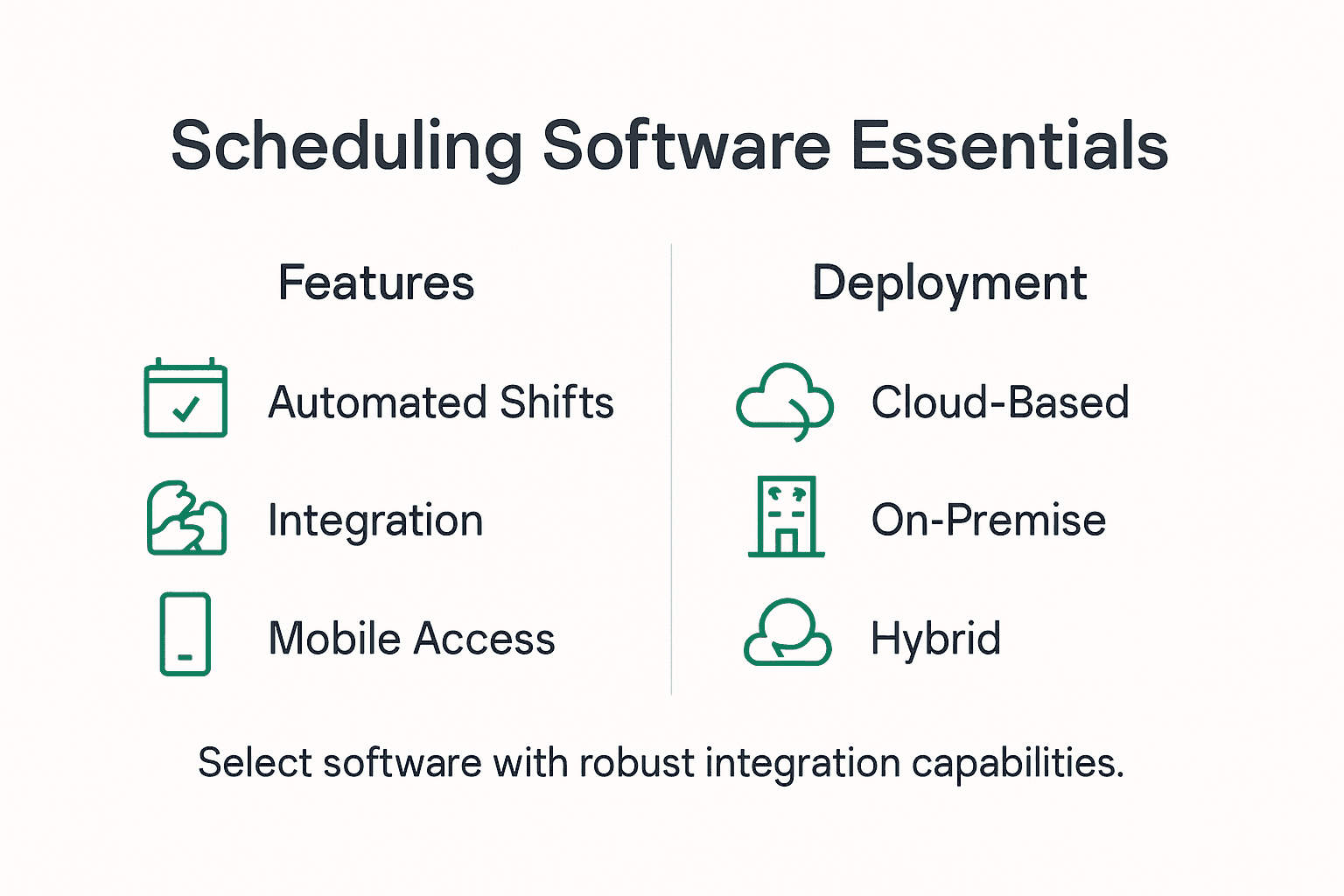
Healthcare staff scheduling software encompasses diverse types and deployment models tailored to different medical environments. These variations allow healthcare organizations to select solutions that precisely match their operational requirements, technological infrastructure, and budgetary constraints.
Scheduling Software Types include:
- Patient Scheduling Systems: Focus on managing patient appointments and clinical time slots
- Care Provider Scheduling Systems: Concentrate on staff workforce management, shift allocations, and personnel tracking
The deployment landscape for these systems primarily features three distinct architectural approaches:
- Cloud-Based Deployment
- Highly scalable and flexible
- Remote accessibility
- Lower upfront technology investments
- Automatic updates and maintenance
- On-Premise Deployment
- Complete organizational control
- Enhanced data security
- Direct infrastructure management
- Customizable integration capabilities
- Hybrid Deployment
- Combines cloud and on-premise elements
- Balances security and flexibility
- Allows phased technological transitions
- Supports complex organizational structures
Cloud-based solutions currently dominate the market, offering healthcare providers unprecedented agility in managing workforce resources. These platforms enable real-time communication, instant scheduling modifications, and seamless integration with existing technological ecosystems.
Here’s a side-by-side comparison of healthcare staff scheduling software deployment models:
| Deployment Model | Main Advantage | Ideal For | Key Limitation |
|---|---|---|---|
| Cloud-Based | Rapid scalability | Multi-site and remote operations | Potential internet reliance |
| On-Premise | Data control | High-security or regulatory needs | Higher upfront investment |
| Hybrid | Flexibility and balance | Complex or transitioning systems | Increased system complexity |
Pro tip: When evaluating scheduling software deployment models, conduct a comprehensive assessment of your organization’s technological maturity, security requirements, and budget to select the most appropriate approach.
Key Features and Workflow Integration
Healthcare staff scheduling software offers advanced workflow integration capabilities that streamline complex operational processes across medical organizations. These sophisticated platforms go beyond simple scheduling, transforming how healthcare teams manage workforce resources and patient care coordination.
Core Features of modern scheduling systems include:
- Mobile Self-Service Access: Enables staff to manage shifts remotely
- Real-Time Notifications: Instant communication about schedule changes
- Credential Tracking: Ensures ongoing compliance and certification management
- Automated Shift Assignment: Intelligent algorithms optimize staffing
Workflow integration represents the most critical advancement in these platforms. Best-in-class solutions provide robust integration with clinical rules, staff availability, and operational constraints, supporting multiple care delivery models with unprecedented flexibility.
Key system integrations typically encompass:
- Electronic Health Record (EHR) systems
- Human Resources platforms
- Payroll management software
- Compliance tracking databases
- Insurance verification systems
These integrations create a seamless ecosystem that reduces administrative overhead, minimizes human error, and supports more efficient healthcare delivery. By connecting multiple organizational systems, scheduling software transforms from a simple tool into a comprehensive workforce management solution that adapts to the dynamic healthcare environment.

Pro tip: Prioritize scheduling software with extensive integration capabilities and APIs that can connect with your existing technological infrastructure to maximize operational efficiency.
Compliance, Security, and Privacy Concerns
Healthcare staff scheduling software confronts a complex landscape of regulatory requirements, particularly navigating the intricate privacy and security mandates of digital health information management. Healthcare organizations must implement robust safeguards to protect sensitive employee and patient data while maintaining operational efficiency.
Critical Compliance Dimensions include:
- HIPAA Privacy Rule Adherence: Protecting individual health information
- Access Control Management: Restricting system entry to authorized personnel
- Data Encryption: Securing information during transmission and storage
- Comprehensive Audit Trails: Documenting all system interactions
The transition to digital scheduling systems introduces significant risks around protecting protected health information (PHI), requiring healthcare organizations to implement sophisticated technical and administrative safeguards. These measures must address multiple dimensions of data protection:
- User Authentication Protocols
- System Access Monitoring
- Regular Security Risk Assessments
- Staff Training on Confidentiality Standards
- Continuous Compliance Verification
Successful healthcare scheduling software must balance operational flexibility with stringent security requirements. This means creating systems that not only streamline workforce management but also maintain the highest standards of data protection, ensuring patient privacy and organizational compliance.
Pro tip: Conduct quarterly comprehensive security audits and maintain an updated risk management strategy to proactively address potential compliance vulnerabilities in your scheduling software.
Financial Impact and Common Pitfalls
Healthcare scheduling software represents a critical investment with significant potential for operational cost reduction, transforming traditional workforce management approaches in medical organizations. By automating complex staffing processes, these systems unlock substantial financial and operational benefits for healthcare providers.
Key Financial Benefits include:
- Reduced overtime expenses
- Minimized administrative overhead
- Improved staff retention rates
- Enhanced operational efficiency
- Decreased scheduling errors
Healthcare organizations must carefully navigate implementation challenges to maximize return on investment, addressing potential pitfalls that can undermine expected financial gains:
Common Implementation Challenges:
- High Upfront Technology Costs
- Underestimated Training Expenses
- Productivity Disruptions During Transition
- Insufficient Stakeholder Engagement
- Complex Workflow Integration Requirements
Successful implementation demands a strategic approach that balances technological investment with comprehensive change management. Healthcare administrators must view scheduling software not merely as a technology purchase, but as a comprehensive organizational transformation strategy that requires careful planning, stakeholder collaboration, and ongoing optimization.
The following table summarizes the financial impact and risks of implementing healthcare staff scheduling software:
| Benefit Area | Positive Outcome | Potential Risk |
|---|---|---|
| Labor Costs | Overtime reduction | Training expenses |
| Administrative Load | Lower paperwork demands | Temporary productivity dip |
| Workforce Stability | Improved staff retention | Insufficient stakeholder buy-in |
Pro tip: Develop a detailed implementation roadmap with clear metrics, allocate dedicated resources for staff training, and create a phased rollout strategy to mitigate financial risks and maximize software adoption.
Unlock Efficient Healthcare Staff Scheduling with VectorCare
Managing complex healthcare staff schedules and reducing operational costs are critical challenges highlighted in “Healthcare Staff Scheduling Software: Cutting Costs, Boosting Care.” Common pain points such as minimizing administrative overhead, avoiding scheduling conflicts, and ensuring compliance with healthcare regulations require a robust digital solution. VectorCare addresses these challenges head on by offering an integrated platform that optimizes scheduling and workforce management while enhancing real-time communication and automation capabilities.
VectorCare’s platform goes beyond traditional scheduling by combining AI-driven dispatching and secure communication tools to streamline patient logistics alongside staff coordination. This seamless integration improves operational efficiency and reduces costly errors, enabling healthcare providers to focus on what truly matters – delivering exceptional patient care. Discover how VectorCare supports your organization’s goals of boosting care quality and cutting costs through innovative scheduling and workflow management in one unified system.
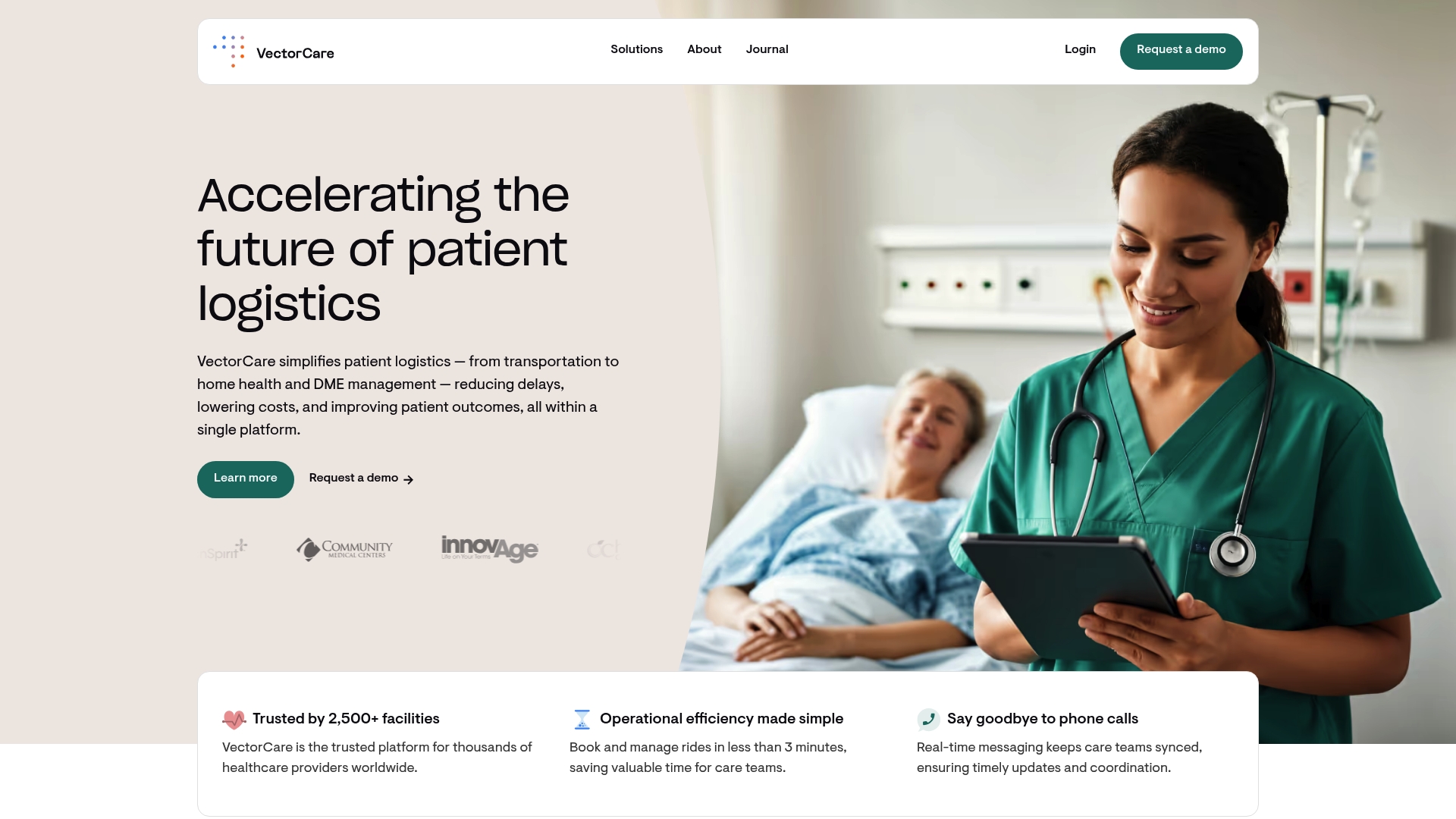
Experience the future of healthcare workforce management today with VectorCare. Explore how our automation tools and real-time updates can transform your scheduling processes. Visit the VectorCare platform to schedule a demo and take the first step toward reducing delays, lowering operational costs, and enhancing patient outcomes.
Frequently Asked Questions
What is healthcare staff scheduling software?
Healthcare staff scheduling software is a digital solution designed to automate workforce management in medical settings, helping to allocate staff resources efficiently and ensure optimal patient care coverage.
What are the types of healthcare staff scheduling software?
The types include Patient Scheduling Systems, which manage patient appointments, and Care Provider Scheduling Systems, which focus on shift allocations and personnel tracking for staff management.
What are the deployment models for this software?
The deployment models include Cloud-Based, which offers scalability and remote access; On-Premise, providing organizational control and security; and Hybrid, which combines elements of both cloud and on-premise systems.
What key features should I look for in healthcare staff scheduling software?
Key features to consider include mobile self-service access, real-time notifications, credential tracking, and automated shift assignment capabilities that help optimize staffing and improve operational efficiency.
Recommended
- Understanding Scheduling Software for Healthcare Providers
- 7 Best Healthcare Scheduling Software for Smooth Operations
- 7 Essential Tips for Online Scheduling in Healthcare
- Healthcare Workforce Optimization Strategies for 2025 Success
- Top Workshop Organization Tips for Diesel Injection Technicians 2025 – My WordPress