Emergency Room Workflow: Boosting Patient Flow Efficiency
Emergency departments in American hospitals face incredible pressure to deliver fast, high-quality care when every minute counts. With over 130 million annual visits across the United States, even small workflow setbacks can lead to long waits and patient frustration. For operations managers seeking to enhance efficiency, understanding the core processes behind patient flow and adopting the right technology solutions can transform how emergency teams work together and serve their communities.
Table of Contents
- Defining Emergency Room Workflow Processes
- Stages of Patient Flow in the ER
- Technology Integration for Workflow Optimization
- Roles and Coordination Among ER Team Members
- Common Workflow Risks and Mitigation Strategies
Key Takeaways
| Point | Details |
|---|---|
| Emergency Room Workflow Stages | Effective emergency care relies on managing critical stages, including triage and treatment planning, requiring real-time decision making. |
| Technology Integration | Implementing tools like Electronic Health Records and real-time tracking enhances operational efficiency and patient care quality. |
| Team Coordination | Clear roles and ongoing interdisciplinary training are essential for seamless communication and swift patient assessments in emergency departments. |
| Risk Management | Identifying and mitigating workflow risks through regular assessments and proactive strategies can significantly enhance emergency department performance. |
Defining Emergency Room Workflow Processes
Emergency room workflow represents a complex, multifaceted system of interconnected tasks and interactions designed to provide rapid, efficient medical care. Clinical workflow in emergency settings consists of intricate sequences involving medical professionals, technological systems, and patient assessment protocols that collectively determine the speed and quality of healthcare delivery.
The fundamental structure of emergency room workflow typically involves several critical stages: patient intake, triage, medical assessment, diagnostic testing, treatment planning, and discharge or admission. Each stage requires precise coordination and real-time decision making. Medical teams must navigate these processes while managing unpredictable patient volumes, varying medical complexity, and limited resources. The 2019 Model of Clinical Practice in Emergency Medicine emphasizes an integrated approach that prioritizes rapid patient assessment and intervention.
Key components of effective emergency room workflow include strategic resource allocation, streamlined communication protocols, advanced patient tracking systems, and dynamic triage methodologies. Successful implementations require continuous performance monitoring, data-driven process improvements, and adaptive technological integration. Emergency departments must balance speed with comprehensive care, ensuring that each patient receives appropriate medical attention without unnecessary delays.
Professional Insight: Implement a digital patient tracking system that provides real-time visibility into each stage of the emergency room workflow to reduce bottlenecks and improve overall operational efficiency.
Stages of Patient Flow in the ER
The emergency room patient flow comprises a systematic series of critical stages designed to provide efficient and effective medical care. Emergency department patient flow stages encompass a structured progression from patient arrival through final disposition, each phase requiring precise coordination and strategic resource management.
Typical patient flow in emergency departments generally follows these key stages:
- Initial Arrival and Check-In
- Triage Assessment
- Registration and Documentation
- Initial Medical Screening
- Diagnostic Testing
- Treatment Planning
- Treatment Execution
- Disposition Decision
The World Health Organization Emergency Care Toolkit emphasizes that successful patient flow management requires early recognition, systematic prioritization, and adaptable protocols. Each stage demands real-time decision making, with medical professionals continuously assessing patient acuity, available resources, and potential treatment pathways. Advanced emergency departments integrate technological solutions like digital tracking systems and dynamic resource allocation algorithms to streamline these complex interactions.
Professional Insight: Develop a standardized triage protocol with clear decision trees that enable rapid patient assessment and reduce bottlenecks during the initial evaluation stages.
Technology Integration for Workflow Optimization
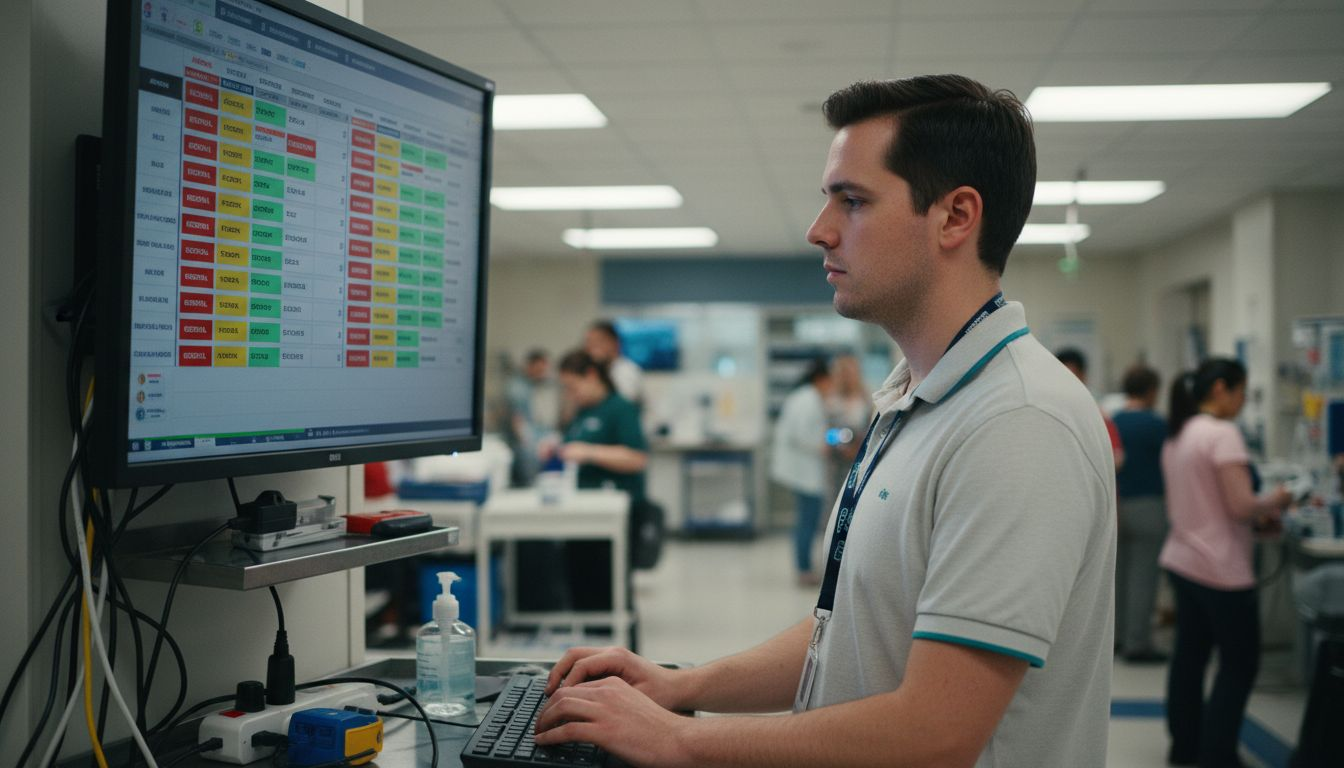
Technology plays a transformative role in modernizing emergency department operations, offering sophisticated tools to enhance patient care and operational efficiency. Clinical decision support systems and workflow analysis technologies provide critical infrastructure for streamlining complex medical processes, reducing potential errors, and supporting rapid decision making.
Key technological interventions in emergency room workflow optimization include:
The table below summarizes how key technology tools impact emergency department operations:
| Technology Tool | Core Benefit | Impact on Patient Care |
|---|---|---|
| Electronic Health Record (EHR) | Centralizes patient information | Enables faster, safer decisions |
| Real-Time Tracking Platform | Monitors patient movement | Reduces delays, improves flow |
| Automated Triage Tool | Standardizes initial assessment | Accelerates patient prioritization |
| Predictive Analytics Software | Forecasts resource demand | Anticipates surges, allocates staff |
- Electronic Health Record (EHR) Systems
- Real-Time Patient Tracking Platforms
- Automated Triage Assessment Tools
- Predictive Analytics Software
- Integrated Communication Networks
Advanced technology integration research demonstrates that successful implementation requires careful consideration of human factors and organizational context. Emergency departments must approach technological adoption strategically, ensuring that new systems complement existing workflows rather than creating additional complexity. Effective integration involves comprehensive staff training, iterative system refinement, and continuous performance monitoring to maximize technological potential.
Professional Insight: Conduct a comprehensive workflow analysis before implementing new technologies, identifying specific bottlenecks and selecting solutions that directly address your emergency department’s unique operational challenges.
Roles and Coordination Among ER Team Members
Emergency department effectiveness hinges on precise role definition and seamless team coordination. Emergency incident management structures emphasize the critical importance of clear responsibilities and communication protocols among healthcare professionals to optimize patient care and workflow efficiency.
Core team members in an emergency department typically include:
- Emergency Physicians
- Registered Nurses
- Triage Specialists
- Radiology Technicians
- Paramedical Staff
- Administrative Coordinators
- Support Technicians
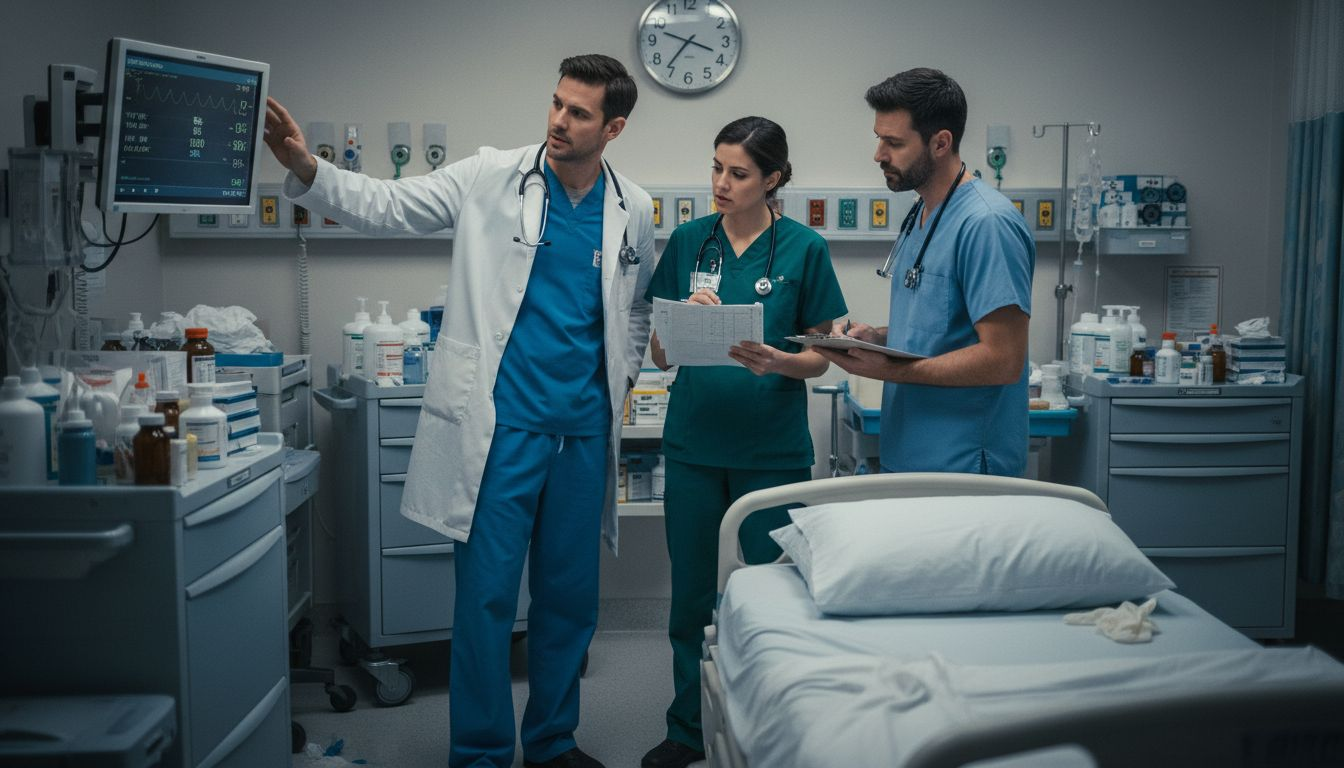
Multidisciplinary coordination strategies require each team member to understand their specific responsibilities while maintaining flexible communication channels. Successful emergency departments cultivate a collaborative environment where rapid information exchange, mutual respect, and clear escalation protocols enable swift patient assessment and treatment. This approach demands continuous training, regular team simulations, and established communication frameworks that allow instantaneous decision making during high-pressure scenarios.
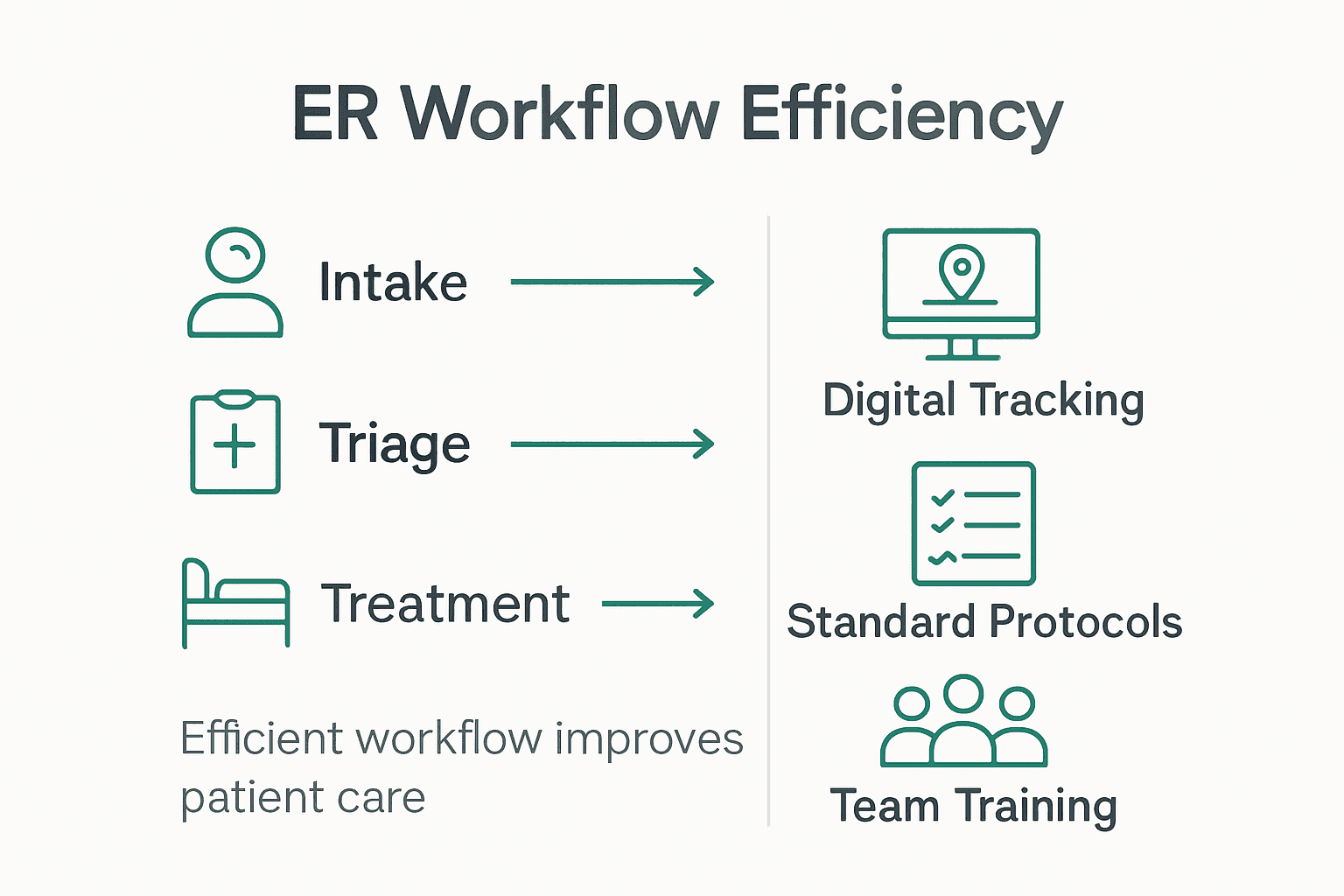
Professional Insight: Implement monthly interdisciplinary training sessions that simulate complex emergency scenarios to enhance team communication, role understanding, and collaborative problem solving.
Common Workflow Risks and Mitigation Strategies
Emergency department workflow risks represent complex challenges that can significantly disrupt patient care and operational efficiency. Workflow disruption analysis reveals multiple potential bottlenecks that can compromise emergency department performance, ranging from resource constraints to communication breakdowns.
Primary workflow risks in emergency departments include:
Here’s a concise comparison of common workflow risks and their optimal mitigation strategies:
| Workflow Risk | Typical Challenge | Suggested Mitigation Approach |
|---|---|---|
| Patient Overcrowding | Long wait times, delays | Flexible staffing, predictive tools |
| Communication Failures | Misunderstandings, errors | Closed-loop protocols, regular drills |
| Staff Burnout | Decreased performance | Scheduling support, wellness programs |
| Documentation Inconsistency | Data gaps, care delays | Standardized templates, EHR validation |
- Patient Overcrowding
- Staff Communication Failures
- Resource Allocation Challenges
- Inadequate Triage Processes
- Technology Integration Gaps
- Staff Burnout and Fatigue
- Inconsistent Documentation Practices
Emergency response risk mitigation strategies emphasize proactive management through systematic approaches. Successful emergency departments implement comprehensive strategies such as continuous staff training, robust communication protocols, flexible resource deployment, and technology-enabled workflow monitoring. These approaches require ongoing assessment, adaptive management techniques, and a commitment to creating resilient operational frameworks that can quickly respond to dynamic healthcare environments.
Professional Insight: Develop a comprehensive risk assessment matrix that systematically identifies potential workflow disruptions and creates targeted mitigation strategies for each potential scenario.
Transform Emergency Room Efficiency with Integrated Patient Flow Solutions
Emergency departments face immense challenges like managing patient overcrowding, communication breakdowns, and workflow bottlenecks that can delay care and increase staff burnout. The article highlights critical workflow stages such as triage assessment, digital patient tracking, and team coordination that directly impact patient outcomes. If you aim to reduce operational delays while enhancing real-time visibility across all stages of emergency care, adopting an advanced, integrated platform is essential.
VectorCare offers a comprehensive digital solution designed to streamline patient logistics across healthcare systems. With features like AI-driven dispatching, real-time updates, and secure communication, VectorCare empowers providers and emergency services to optimize scheduling and resource allocation effectively. This platform supports your goal of accelerating patient flow and minimizing costly delays, ensuring that every handoff in the emergency room is seamless and data-driven.
Take control of your emergency room workflow now by exploring how VectorCare’s technology innovations can help your team prioritize patient care while reducing administrative burdens. Visit VectorCare’s main site today to discover scalable solutions tailored to your unique challenges and start transforming patient flow efficiency immediately. Learn more about how our platform supports emergency services and patient logistics by visiting VectorCare.
Frequently Asked Questions
What are the key stages of patient flow in the emergency room?
The key stages of patient flow in the emergency room include initial arrival and check-in, triage assessment, registration and documentation, initial medical screening, diagnostic testing, treatment planning, treatment execution, and disposition decision.
How can technology enhance emergency room workflow efficiency?
Technology enhances emergency room workflow efficiency through tools like Electronic Health Records (EHR) for centralized patient information, real-time tracking platforms to monitor patient movement, automated triage assessment tools for standardizing evaluations, and predictive analytics software to forecast resource demand.
What role does team coordination play in emergency room effectiveness?
Team coordination is essential for emergency room effectiveness as clear role definitions and communication protocols enable seamless collaboration among healthcare professionals, leading to rapid patient assessment and treatment.
What are common risks affecting emergency room workflow, and how can they be mitigated?
Common risks affecting emergency room workflow include patient overcrowding, communication failures, staff burnout, and documentation inconsistency. Mitigation strategies involve flexible staffing, closed-loop communication protocols, wellness programs, and standardized documentation practices.
Recommended
- 6 Ways to Improve Patient Flow Within Healthcare Facilities | VectorCare
- Patient Flow Barriers: Impact to Hospital Efficiency and Patient Outcomes | VectorCare
- How to Reduce Patient Wait Times Effectively
- Streamlining Hospital Workflows for Optimal Efficiency
- Emergency Transport Ventilator SHANGRILA 510S Portable Solution