Emergency Management Logistics: Complete Guide for Healthcare
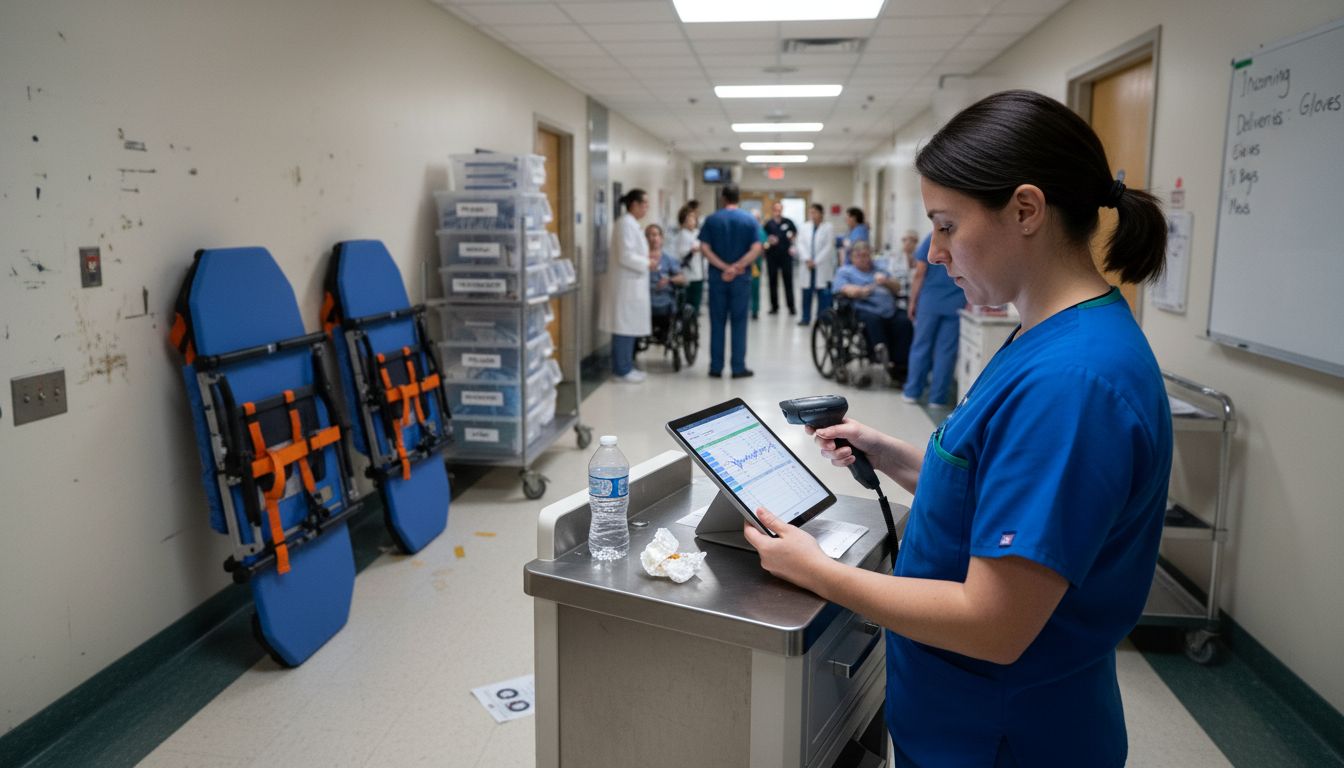
Over 60 percent of american healthcare facilities face significant delays during emergencies due to gaps in logistics and resource coordination. When lives are at stake, every minute counts, making strong emergency management logistics more than just an operational need. This article shows how mastering these systems can keep care running smoothly even in the most unpredictable crisis moments.
Table of Contents
- Defining Emergency Management Logistics In Healthcare
- Major Types And Key Stakeholders Involved
- Core Functions And Digital Workflow Integration
- Technology, Automation, And Real-Time Coordination
- Compliance, Legalities, And Risk Mitigation
Key Takeaways
| Point | Details |
|---|---|
| Emergency management logistics is vital for healthcare systems | It ensures rapid responses during crises by managing resources, personnel, and supply chains effectively. |
| Stakeholder collaboration is essential | Engaging healthcare providers, government agencies, and community groups fosters coordinated emergency responses. |
| Technology enhances emergency logistics | Integrating digital workflows improves real-time tracking, resource allocation, and communication in critical situations. |
| Compliance and risk management are critical | Healthcare organizations must navigate legal requirements while developing robust strategies to mitigate risks during emergencies. |
Defining Emergency Management Logistics in Healthcare
Emergency management logistics represents a critical infrastructure within healthcare systems that ensures rapid, coordinated responses during crisis situations. At its core, this discipline focuses on strategically managing resources, personnel, and supply chains to maintain operational effectiveness when standard protocols become insufficient. Emergency management logistics goes beyond traditional supply chain management by introducing complex layers of coordination, adaptability, and immediate resource allocation.
The fundamental role of emergency management logistics involves supporting critical emergency response capabilities through meticulous planning and resource deployment. Healthcare organizations must develop comprehensive strategies that allow seamless mobilization of medical supplies, equipment, and personnel during unexpected events. This requires intricate coordination across multiple departments, ensuring that every component of the healthcare system can quickly adjust and respond to emerging challenges.
Critical components of emergency management logistics include precise inventory management, strategic resource positioning, and dynamic communication networks. Hospitals and healthcare systems must implement robust systems that enable real-time tracking of medical resources, anticipate potential supply chain disruptions, and create flexible deployment strategies. The ultimate goal is to maintain patient care standards even under extreme pressure, whether responding to natural disasters, mass casualty incidents, or widespread health emergencies.
Effective emergency management logistics demands a multidisciplinary approach that integrates supply chain principles with emergency preparedness protocols. Emergency medical transportation strategies play a crucial role in this framework, ensuring that patients can be rapidly moved and medical resources efficiently distributed. By continuously refining these logistical capabilities, healthcare organizations can significantly improve their resilience and response effectiveness during critical situations.
Major Types and Key Stakeholders Involved
Emergency management logistics encompasses a diverse ecosystem of stakeholders who play critical roles in coordinating and executing complex healthcare response strategies. The landscape of emergency management involves multiple interconnected groups, each bringing unique capabilities and responsibilities to ensure effective crisis management. Community stakeholder groups represent a fundamental layer in this intricate network, extending beyond traditional healthcare boundaries.
The primary stakeholders in emergency management logistics include healthcare providers, public health departments, emergency medical services, hospitals, and specialized response teams. These core groups work in concert to develop comprehensive strategies for resource allocation, patient care, and incident response. Outbreak response and incident management frameworks highlight the importance of collaborative approaches that integrate clinical leadership, administrative personnel, and external partners to create robust emergency preparedness systems.

Beyond healthcare institutions, key stakeholders also include government agencies, utility providers, transportation services, and private sector organizations. These external entities play crucial roles in supporting infrastructure resilience, providing logistical support, and ensuring continuity of essential services during emergencies. Their involvement extends to critical functions such as power restoration, communication networks, transportation coordination, and resource mobilization that directly impact healthcare emergency responses.
A comprehensive emergency management logistics strategy requires deep collaboration and clearly defined roles across these stakeholder groups. This means establishing clear communication protocols, developing shared training programs, and creating integrated response mechanisms that allow rapid, coordinated action. By understanding each stakeholder’s strengths and potential contributions, healthcare systems can build more adaptive, responsive emergency management frameworks that effectively address complex and unpredictable crisis scenarios.
Core Functions and Digital Workflow Integration
Digital workflow integration represents a transformative approach to emergency management logistics, fundamentally reshaping how healthcare organizations respond to critical incidents. Supply chain management principles applied to emergency logistics demonstrate the critical importance of technological infrastructure in creating responsive, adaptive emergency response systems. These digital frameworks enable real-time tracking, resource allocation, and communication across complex healthcare networks.
The core functions of emergency management logistics encompass several key digital workflow components. These include comprehensive resource tracking, dynamic inventory management, rapid communication protocols, and predictive analytics capabilities. Healthcare operations and supply chain management research highlights the significance of integrated digital platforms that can instantaneously map resource availability, patient needs, and potential logistical challenges during emergency scenarios.
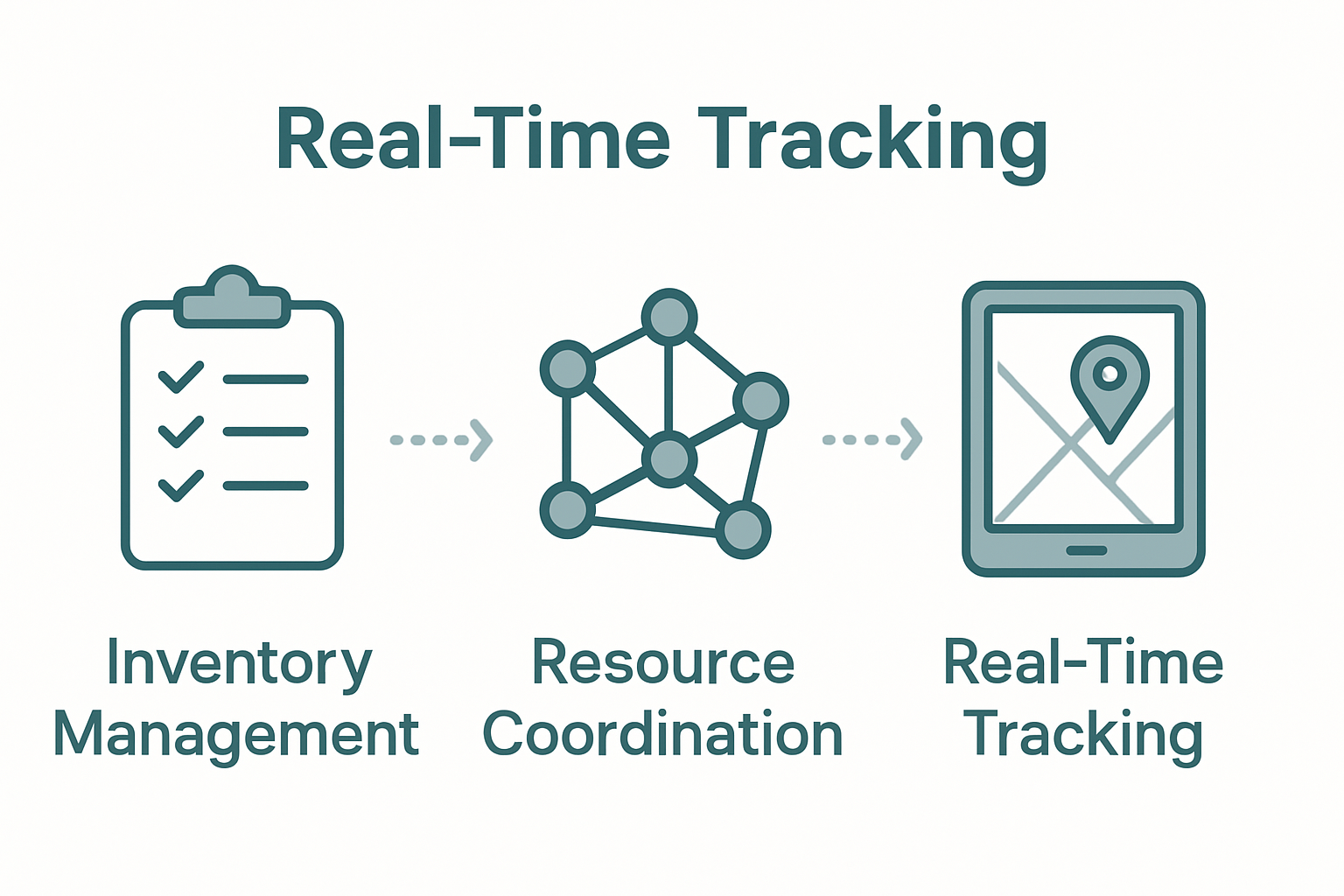
Advanced digital workflows typically integrate multiple technological capabilities, such as geographic information systems, real-time communication platforms, automated resource allocation algorithms, and predictive modeling tools. These technologies enable healthcare organizations to move beyond traditional reactive approaches, instead developing proactive, data-driven emergency response strategies. Sophisticated digital platforms can simulate potential emergency scenarios, forecast resource requirements, and create dynamic deployment plans that adapt to changing conditions in real time.
Successful digital workflow integration demands more than technological implementation. It requires comprehensive training programs, robust cybersecurity protocols, and organizational cultural shifts that embrace technological innovation. Healthcare institutions must develop cross-functional teams capable of leveraging these digital tools, ensuring that technological capabilities translate into tangible improvements in emergency response efficiency, patient care, and overall system resilience.
Technology, Automation, and Real-Time Coordination
Real-time coordination has become the cornerstone of modern emergency management logistics, transforming how healthcare organizations respond to critical situations. Emergency response medical logistics operational strategies emphasize the critical role of technology in creating responsive, adaptive systems that can instantly track, allocate, and manage resources during high-pressure scenarios. Advanced technological solutions enable healthcare providers to move beyond traditional reactive approaches, instead developing proactive, data-driven emergency response mechanisms.
Automation technologies play a pivotal role in streamlining emergency logistics, introducing unprecedented levels of efficiency and precision. Intelligent systems now provide real-time tracking of medical supplies, predictive resource allocation algorithms, and dynamic communication platforms that can instantly map patient needs, resource availability, and potential logistical challenges. Operational logistics support research highlights the growing importance of professional logistical technologies that can adapt and respond to complex emergency scenarios with remarkable speed and accuracy.
Key technological components driving real-time coordination include advanced geographic information systems, machine learning-powered predictive modeling tools, automated resource allocation algorithms, and integrated communication platforms. These technologies work in concert to create a comprehensive emergency management ecosystem that can simulate potential scenarios, forecast resource requirements, and generate dynamic deployment strategies that adjust in real time. The goal is to transform emergency response from a reactive process to a proactive, intelligent system that anticipates and mitigates potential challenges before they escalate.
Successful implementation of these technological solutions requires more than just sophisticated software. Healthcare organizations must invest in comprehensive training programs, develop robust cybersecurity protocols, and foster a culture of technological innovation. Cross-functional teams must be empowered to leverage these digital tools, ensuring that technological capabilities translate into tangible improvements in emergency response efficiency, patient care quality, and overall system resilience.
Compliance, Legalities, and Risk Mitigation
Healthcare compliance represents a critical foundation for emergency management logistics, encompassing a complex network of legal requirements, regulatory standards, and risk management protocols. Disaster preparedness frameworks highlight the intricate legal landscape that healthcare organizations must navigate during emergency response scenarios. These frameworks mandate comprehensive documentation, transparent communication protocols, and rigorous adherence to national and state-level emergency management regulations.
Risk mitigation strategies form the core of effective emergency management logistics, requiring healthcare institutions to develop proactive approaches that anticipate potential legal and operational challenges. Strategic health care logistics planning emphasizes the importance of creating robust risk assessment methodologies that identify potential vulnerabilities in emergency response systems. This involves developing comprehensive contingency plans, conducting regular compliance audits, and implementing dynamic risk management protocols that can adapt to evolving emergency scenarios.
Key compliance considerations include patient privacy protections, data security regulations, medical liability frameworks, and emergency response documentation standards. Healthcare organizations must develop integrated systems that simultaneously manage complex legal requirements while maintaining operational flexibility during high-pressure emergency situations. This requires sophisticated tracking mechanisms, secure communication platforms, and comprehensive training programs that ensure all personnel understand their legal and ethical responsibilities during emergency responses.
Successful compliance and risk mitigation demand a holistic approach that combines technological solutions, legal expertise, and organizational culture. Healthcare institutions must invest in continuous education, develop transparent reporting mechanisms, and create adaptive frameworks that can quickly respond to changing regulatory landscapes. By prioritizing compliance as a strategic advantage rather than a bureaucratic requirement, organizations can build more resilient, legally sound emergency management logistics systems that protect both patients and healthcare providers.
Enhance Your Emergency Management Logistics with VectorCare
The challenge of orchestrating seamless emergency management logistics in healthcare demands precision, real-time coordination, and adaptive resource allocation. This article highlights key pain points such as managing inventory dynamically, enabling rapid communication, and integrating complex stakeholder roles to ensure effective emergency response. VectorCare’s advanced digital platform directly addresses these critical needs by offering an integrated suite designed to streamline patient transportation, automate dispatching, and optimize scheduling with AI-driven solutions.
Bridge the gap between theory and practice today with VectorCare. Experience firsthand how cutting-edge automation and real-time updates can elevate your emergency preparedness efforts, reduce delays, and enhance patient care coordination. Visit VectorCare now to explore how your healthcare organization can embrace a resilient, compliant, and efficient logistics system. Discover the impact of digital workflow integration and real-time coordination tailored to your specific challenges at VectorCare Digital Platform.
Take the first step toward transforming your emergency logistics strategy. Learn more about our solutions and see why leading healthcare providers trust VectorCare to improve operational efficiency and patient outcomes.
Frequently Asked Questions
What is emergency management logistics in healthcare?
Emergency management logistics refers to the strategic management of resources, personnel, and supply chains within healthcare systems to effectively respond to emergencies and crises. It involves meticulous planning for resource deployment and coordination across multiple departments to ensure patient care continues during unexpected events.
Why is digital workflow integration important in emergency management logistics?
Digital workflow integration enhances emergency management logistics by enabling real-time tracking of medical resources, efficient communication, and predictive analytics. This technology allows healthcare organizations to develop proactive strategies, optimizing resource allocation and improving overall response effectiveness during emergencies.
What are the key components of effective emergency management logistics?
Key components include precise inventory management, dynamic communication networks, and strategic resource positioning. These elements work together to ensure rapid mobilization of essential supplies and personnel, maintaining operational effectiveness even under pressure.
How do compliance and risk mitigation impact emergency management logistics?
Compliance and risk mitigation are crucial as they encompass legal requirements and regulatory standards that healthcare organizations must follow during emergencies. Effective strategies help anticipate potential vulnerabilities and ensure that institutions maintain patient privacy and data security while responding to crises.