Care Home Coordinator Roles and Modern Technology Impact
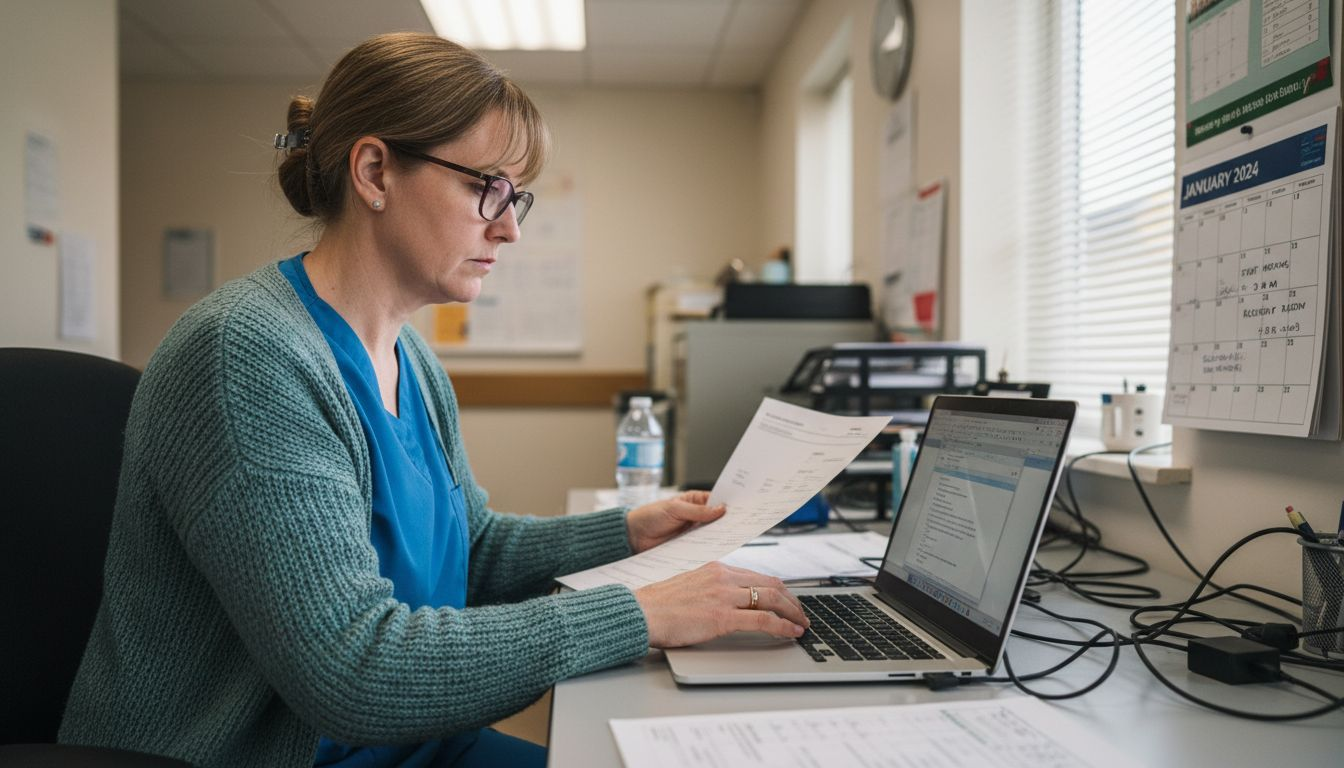
Coordinating patient care often feels like piecing together a complex puzzle where every detail matters for health and comfort. For Care Home Coordinators in the United States, the challenge is making sure each patient receives not just medical attention but also thoughtful support that makes daily life easier. By combining advanced healthcare technology with clear communication, you can deliver truly coordinated, compassionate experiences. Discover how embracing integrated care strategies leads to better outcomes and lasting patient trust.
Table of Contents
- What Does a Care Home Coordinator Do?
- Key Responsibilities and Required Skills
- Integrating Technology for Care Coordination
- Legal, Compliance, and Privacy Considerations
- Reducing Risks and Improving Outcomes
Key Takeaways
| Point | Details |
|---|---|
| Role of Care Home Coordinator | Care Home Coordinators are essential in connecting patients, families, and healthcare providers to ensure personalized and effective home-based care. |
| Key Responsibilities | They conduct patient assessments, develop care plans, coordinate communication, and monitor treatment progress. |
| Required Skills | Success in this role requires strong communication, organization, and emotional intelligence to navigate complex healthcare systems. |
| Technology Integration | Utilizing technology, such as Electronic Health Records and telehealth solutions, enhances patient monitoring and overall care delivery. |
What Does a Care Home Coordinator Do?
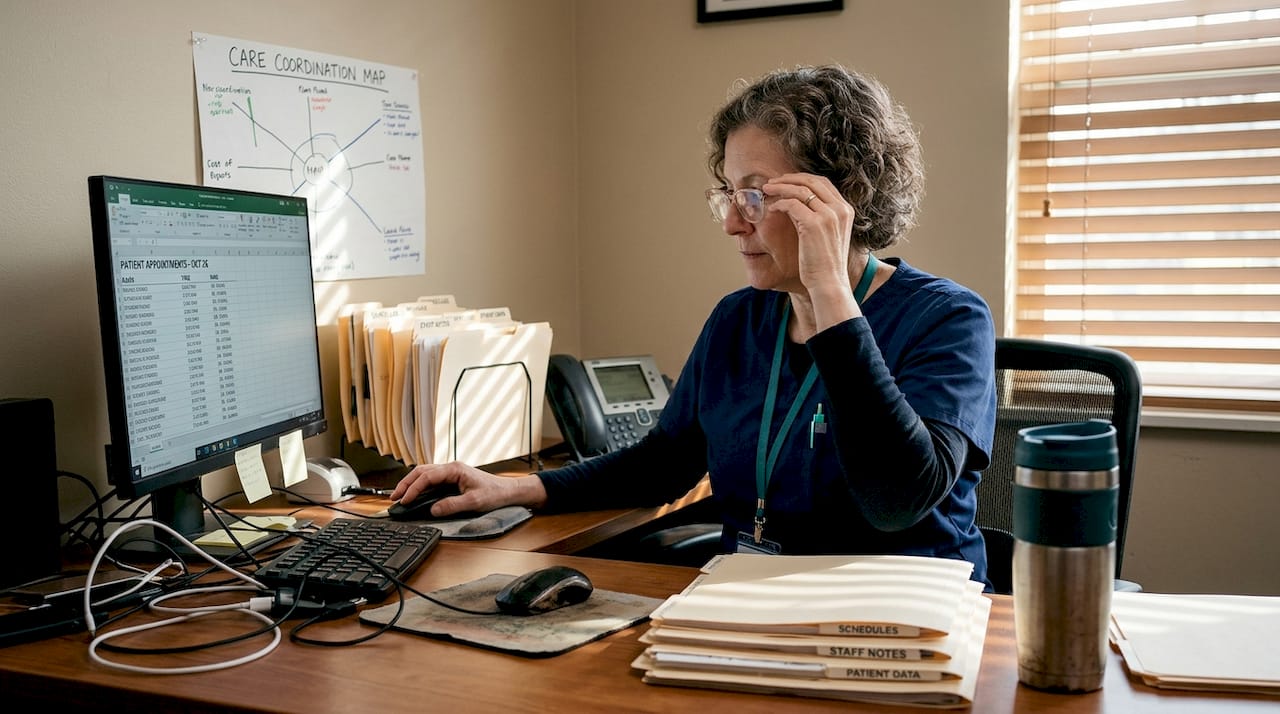
A Care Home Coordinator serves as the critical central hub connecting patients, healthcare providers, and families to ensure seamless and compassionate home-based care. These professionals play a multifaceted role that goes far beyond simple administrative tasks, acting as strategic advocates who design personalized care experiences.
The primary responsibilities of a Care Home Coordinator include:
- Patient Assessment: Comprehensively evaluating individual healthcare needs and developing tailored care plans
- Communication Management: Facilitating clear, consistent dialogue between patients, families, doctors, and caregivers
- Appointment Scheduling: Coordinating medical visits, treatments, and follow-up care logistics
- Medical Record Tracking: Maintaining accurate documentation and ensuring proper information transfer
- Treatment Plan Monitoring: Regularly reviewing and adjusting care strategies based on patient progress
These professionals design comprehensive care strategies that prioritize patient independence and quality of life. By serving as patient advocates, they ensure that complex medical needs are met with precision and empathy.
Their work requires exceptional organizational skills, deep medical knowledge, and profound emotional intelligence. Care Home Coordinators must navigate intricate healthcare systems, interpret medical recommendations, and translate complex information into understandable guidance for patients and their families.
Key Skills Required:
- Strong interpersonal communication
- Advanced organizational capabilities
- Detailed medical record management
- Empathetic patient interaction
- Problem-solving expertise
- Technology proficiency
Care Home Coordinators are the unsung heroes who ensure patients receive comprehensive, compassionate care tailored to their unique needs.
Pro tip: Develop a comprehensive digital tracking system to streamline communication and documentation for more efficient patient care management.
Key Responsibilities and Required Skills
Care Home Coordinators have a complex and demanding role that requires a sophisticated blend of medical knowledge, interpersonal skills, and administrative expertise. Comprehensive client assessments form the cornerstone of their professional responsibilities, enabling them to develop personalized care strategies that address individual patient needs.
The core responsibilities of these professionals encompass multiple critical domains:
- Patient Assessment: Conducting thorough health evaluations
- Care Planning: Developing personalized treatment strategies
- Resource Coordination: Connecting patients with appropriate medical services
- Case Management: Tracking treatment progress and adjusting plans
- Advocacy: Ensuring patient rights and informed decision-making
- Documentation: Maintaining accurate and confidential medical records
To excel in this role, Care Home Coordinators must cultivate a robust set of professional skills. Critical thinking and emotional intelligence are paramount, allowing them to navigate complex healthcare scenarios while maintaining compassionate patient interactions.
Key Professional Skills:
- Advanced communication abilities
- Strong organizational capabilities
- Technological proficiency
- Ethical decision-making
- Interpersonal relationship building
- Medicare/Medicaid system knowledge
Effective Care Home Coordinators transform complex healthcare challenges into streamlined, patient-centered solutions.
Pro tip: Invest in continuous professional development and technology training to stay current with evolving healthcare coordination practices.
Integrating Technology for Care Coordination
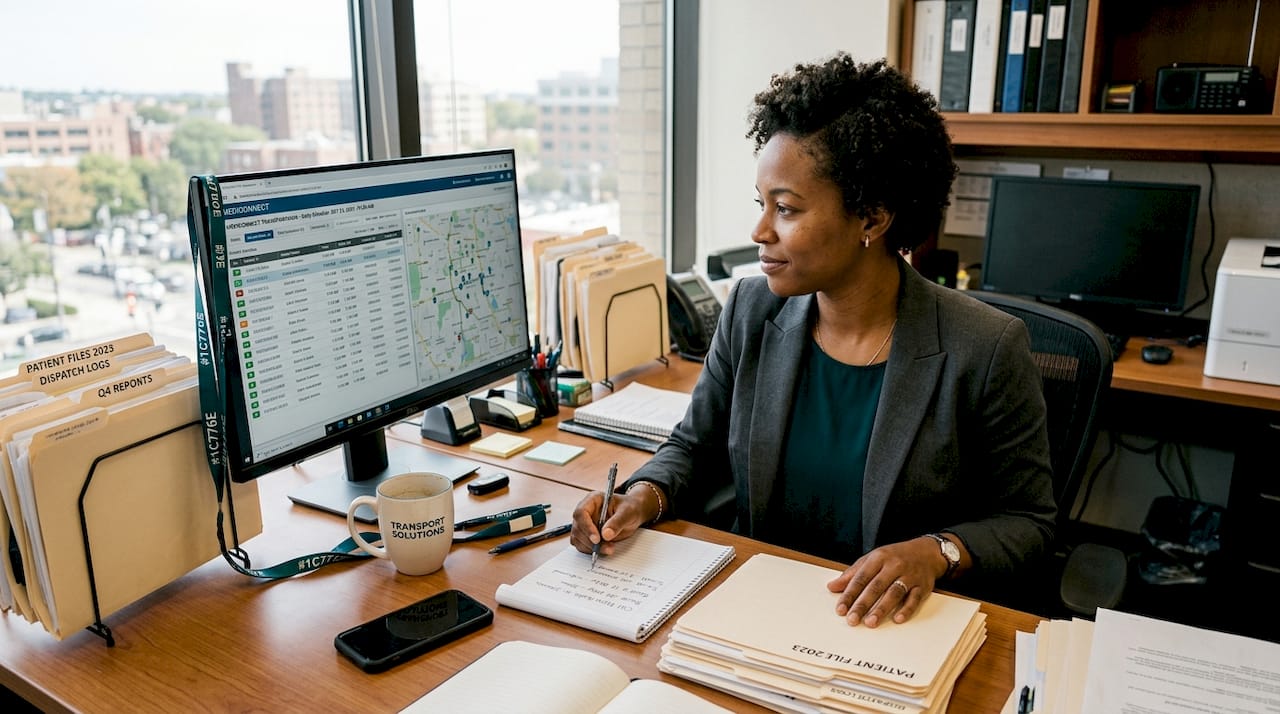
The landscape of home-based care is rapidly transforming through technological innovations that streamline communication, enhance patient monitoring, and improve overall care delivery. Key technologies are revolutionizing care coordination by creating more interconnected, responsive healthcare ecosystems.
Emerging technologies supporting care coordination include:
- Electronic Health Records (EHRs): Centralized patient data management
- Telehealth Solutions: Remote consultations and monitoring
- Mobile Health Apps: Patient engagement and communication
- AI-Powered Tools: Predictive analytics and personalized interventions
- Internet of Things (IoT) Devices: Continuous patient tracking
- Data Interoperability Platforms: Seamless information exchange
These technological advancements address critical challenges in home-based care by enabling real-time communication, reducing administrative burdens, and creating more personalized patient experiences. Artificial intelligence and machine learning are particularly transformative, offering sophisticated capabilities for medication reconciliation and comprehensive patient care management.
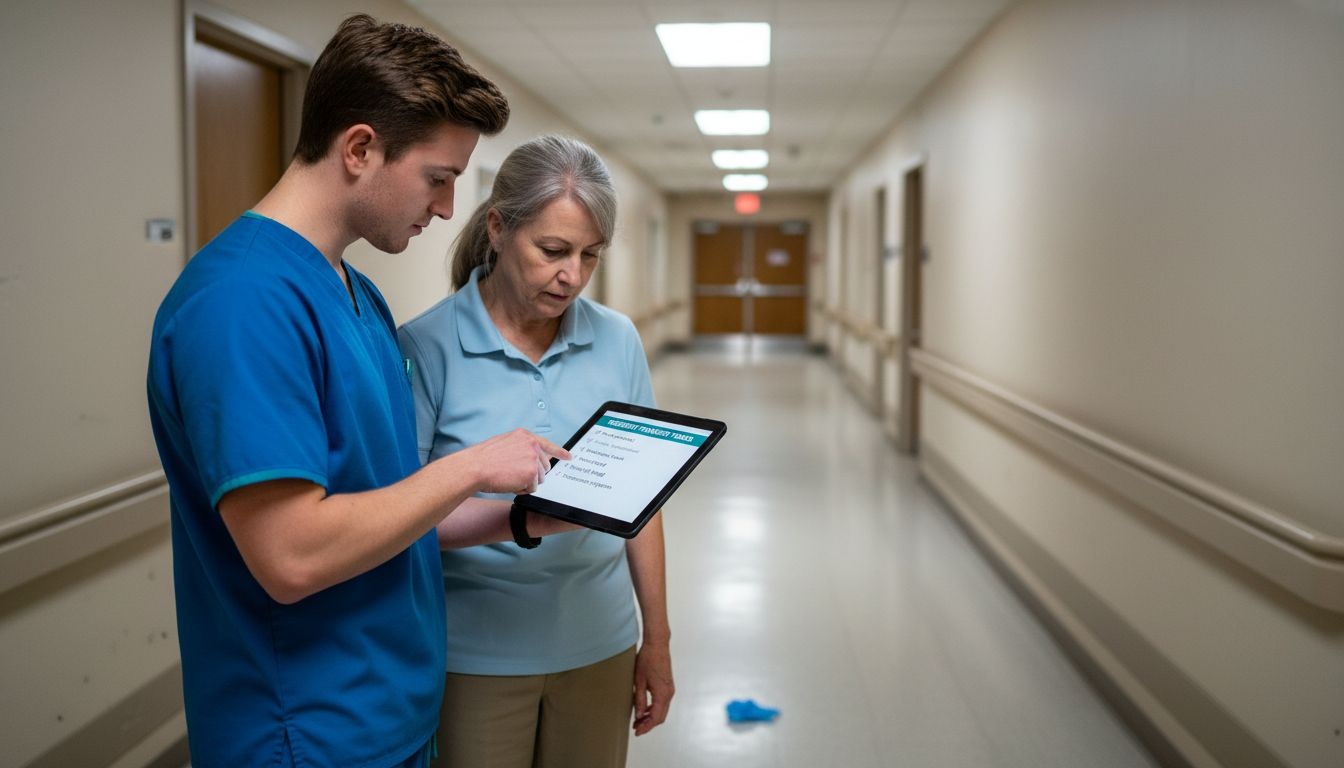
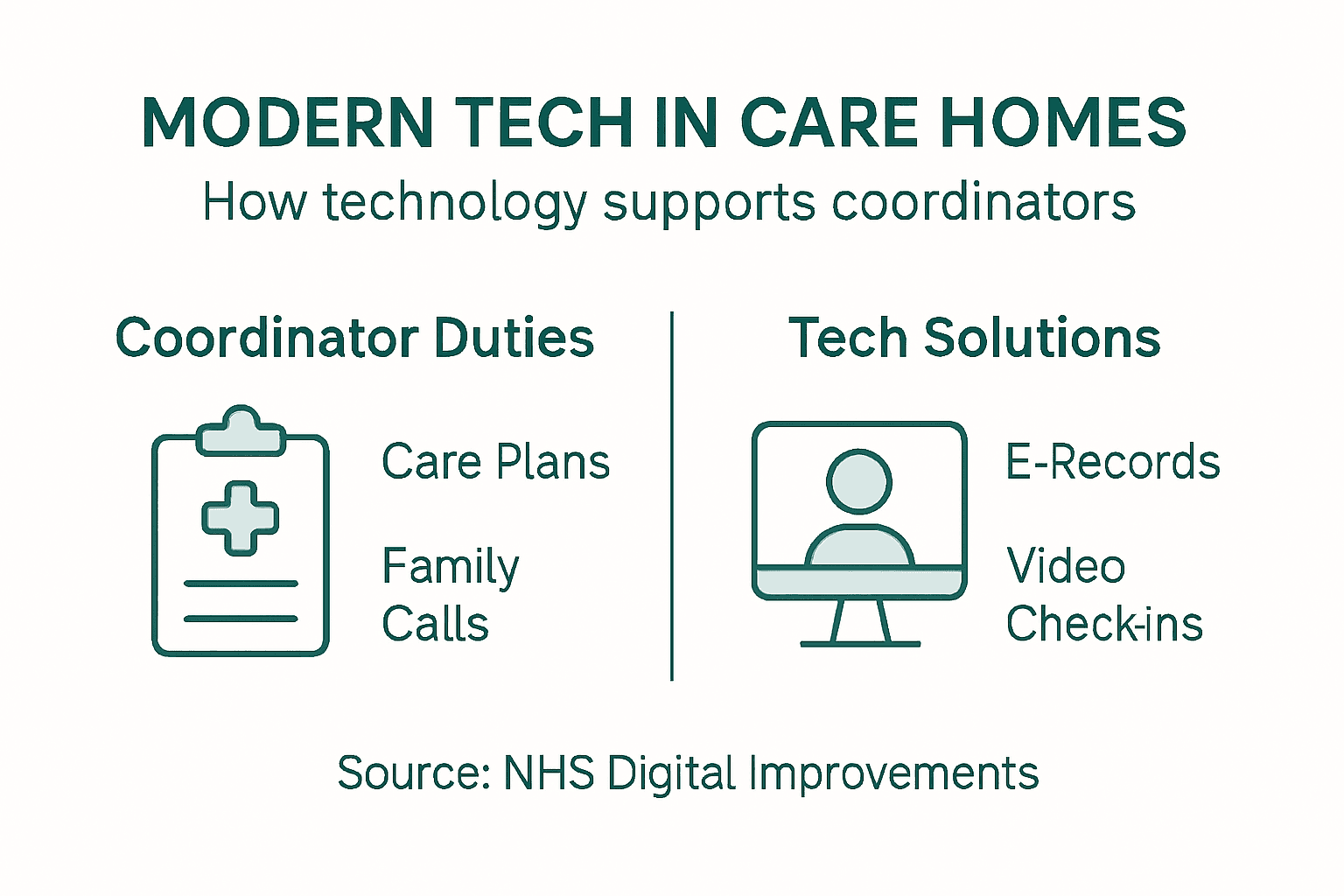
Here’s how technology impacts different aspects of care home coordination:
| Technology Type | Key Benefit | Operational Impact |
|---|---|---|
| Electronic Health Records | Fast access to patient info | Reduces duplicate documentation |
| Telehealth Solutions | Enables remote consultations | Expands care beyond local geography |
| AI-Powered Tools | Predicts health trends | Supports early intervention |
| IoT Devices | Tracks health in real time | Improves monitoring accuracy |
Technology Integration Benefits:
- Enhanced communication among healthcare providers
- Increased healthcare accessibility
- Reduced operational costs
- Improved patient outcomes
- More personalized care strategies
- Advanced predictive health monitoring
Technology is not just a tool, but a fundamental reimagining of how patient care can be delivered more effectively and compassionately.
Pro tip: Invest in comprehensive staff training to ensure smooth technological adoption and maximize the potential of new care coordination tools.
Legal, Compliance, and Privacy Considerations
Care Home Coordinators operate within a complex regulatory landscape that demands meticulous attention to legal and ethical standards. Regulatory compliance management involves multiple critical frameworks designed to protect patient rights, ensure quality care, and maintain organizational integrity.
Key Regulatory Frameworks Include:
- HIPAA: Patient privacy protection
- OSHA: Workplace safety standards
- CMS: Medicare/Medicaid certification requirements
- State Licensing Mandates: Local healthcare operational guidelines
- Patient Rights Regulations: Informed consent and data access rules
The HIPAA Privacy Rule plays a particularly crucial role in care coordination, enabling healthcare providers to share protected health information strategically while maintaining stringent confidentiality protocols. This delicate balance requires care coordinators to understand nuanced guidelines about appropriate information disclosure and patient consent.
Summary of core regulatory frameworks and their primary focus:
| Framework | Primary Focus | Typical Application |
|---|---|---|
| HIPAA | Patient privacy | Safeguards health information |
| OSHA | Safety standards | Protects staff and patients |
| CMS | Certification | Governs Medicare/Medicaid |
| State Licensing | Local compliance | Regulates home care agencies |
Critical Compliance Focus Areas:
- Protecting patient confidentiality
- Maintaining accurate documentation
- Implementing robust data security measures
- Ensuring transparent communication
- Conducting regular compliance audits
- Training staff on regulatory requirements
Effective compliance is not just about following rules, but about creating a culture of trust, safety, and patient-centered care.
Pro tip: Develop a comprehensive compliance training program that includes regular updates on evolving healthcare regulations and interactive learning modules.
Reducing Risks and Improving Outcomes
Care Home Coordinators play a pivotal role in creating comprehensive care strategies that proactively minimize patient risks and enhance overall health outcomes. Care coordination eliminates fragmentation in healthcare workflows, transforming reactive approaches into structured, proactive interventions.
Key Strategies for Risk Reduction:
- Comprehensive Care Planning: Developing holistic, personalized treatment approaches
- Regular Progress Monitoring: Tracking patient health metrics consistently
- Clear Communication Protocols: Ensuring seamless information sharing among providers
- Technology-Enabled Tracking: Using digital tools for real-time patient insights
- Preventative Intervention: Identifying and addressing potential health risks early
Effective risk reduction requires a multifaceted approach that combines clinical expertise, technological integration, and patient-centered communication. Proactive monitoring allows care coordinators to detect potential complications before they escalate, significantly reducing hospital readmissions and improving patient quality of life.
Critical Risk Mitigation Focus Areas:
- Medication reconciliation
- Treatment adherence tracking
- Early warning system development
- Comprehensive patient assessment
- Continuous care plan refinement
- Coordinated multi-provider communication
Successful risk reduction is not about eliminating all potential challenges, but about creating resilient, adaptive care strategies that respond dynamically to patient needs.
Pro tip: Implement a standardized risk assessment framework that integrates both clinical data and patient-reported outcomes for more comprehensive health management.
Transform Care Home Coordination with VectorCare’s Advanced Digital Solutions
Care Home Coordinators face the critical challenge of managing complex care plans, ensuring seamless communication, and integrating modern technology to improve patient outcomes. Addressing these pain points requires a robust platform that streamlines scheduling, tracks medical logistics, and supports real-time updates while maintaining compliance and enhancing patient-centered care.
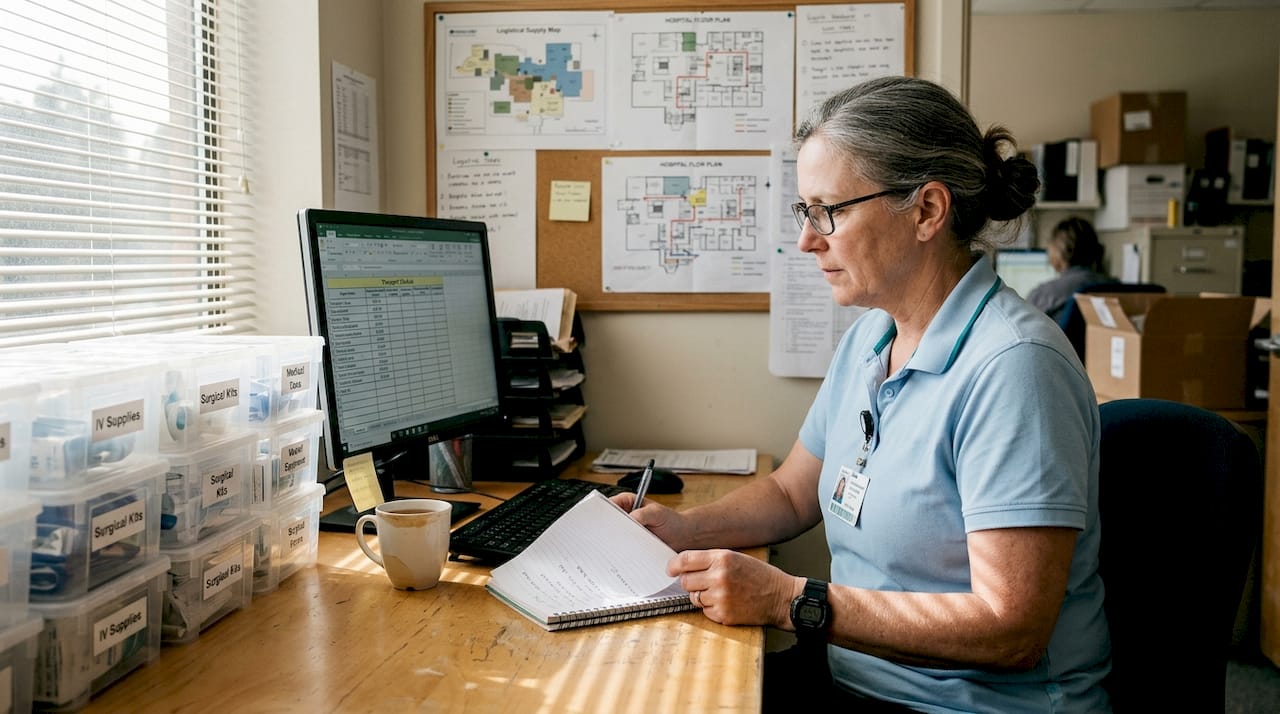
VectorCare offers precisely this solution. Our comprehensive digital platform simplifies patient logistics by automating transportation scheduling, coordinating home health services, and managing equipment delivery with AI-driven dispatching. This empowers Care Home Coordinators to reduce administrative burden, improve communication among providers, and deliver more personalized, efficient care strategies aligned with the latest technological advances discussed in the Care Home Coordinator Roles and Modern Technology Impact article.
Explore how VectorCare can revolutionize your care coordination processes through enhanced operational efficiency and improved patient outcomes.
Take the next step toward modernizing your care home coordination. Visit VectorCare today to discover how our integrated platform supports care teams in managing logistics effectively. Unlock the power of automation, real-time communication, and data insights to elevate patient care now.
Frequently Asked Questions
What are the primary responsibilities of a Care Home Coordinator?
The primary responsibilities of a Care Home Coordinator include patient assessment, care planning, communication management, appointment scheduling, medical record tracking, and treatment plan monitoring.
How does technology enhance the role of Care Home Coordinators?
Technology enhances the role of Care Home Coordinators by streamlining communication through electronic health records (EHRs), enabling remote consultations via telehealth solutions, and utilizing AI-powered tools for predictive analytics and personalized care management.
What skills are essential for a successful Care Home Coordinator?
Essential skills for a successful Care Home Coordinator include strong communication, advanced organizational capabilities, emotional intelligence, problem-solving expertise, and proficiency in technology used in care coordination.
How do Care Home Coordinators ensure compliance with healthcare regulations?
Care Home Coordinators ensure compliance with healthcare regulations by adhering to frameworks like HIPAA for patient privacy, maintaining accurate documentation, conducting regular compliance training, and implementing robust data security measures.