7 Best Practices for Healthcare Compliance Success

Nearly one in four American hospitals faces compliance violations that could lead to costly penalties or operational setbacks. For healthcare compliance officers, building resilient systems is about more than avoiding fines. It means protecting patients, supporting staff, and meeting rigorous expectations set by federal agencies. This guide reveals actionable strategies to build clear policies, strengthen training, and use digital tools that empower American healthcare organizations to achieve sustained regulatory success.
Table of Contents
- 1. Establish Clear Compliance Policies and Procedures
- 2. Train Staff Regularly on Latest Regulations
- 3. Utilize Digital Platforms for Tracking Compliance
- 4. Monitor and Audit Processes Consistently
- 5. Encourage Open Communication and Reporting
- 6. Automate Documentation and Record Management
- 7. Review and Update Compliance Strategies Annually
Quick Summary
| Takeaway | Explanation |
|---|---|
| 1. Establish Clear Compliance Policies | Create precise, actionable guidelines covering legal requirements and ethical standards across your organization to ensure regulatory adherence. |
| 2. Implement Regular Staff Training | Continuous training ensures all staff are informed of the latest regulations and compliance best practices, minimizing risks to patients and operations. |
| 3. Utilize Digital Tracking Platforms | Leverage technology to automate compliance documentation and monitoring for real-time insights and streamlined processes to reduce human error. |
| 4. Conduct Consistent Audits and Monitoring | Regular audits help identify gaps and ensure alignment with regulatory standards, transforming compliance into a proactive improvement process. |
| 5. Foster Open Communication Channels | Establish safe reporting mechanisms that encourage transparency among staff, promoting a culture of accountability and proactive compliance management. |
1. Establish Clear Compliance Policies and Procedures
Every successful healthcare organization needs a robust compliance framework, and it all starts with establishing crystal clear policies and procedures. The foundation of regulatory adherence lies in creating comprehensive, well documented guidelines that communicate expectations and standards across your entire organization.
According to the U.S. Department of Health and Human Services Office of Inspector General’s General Compliance Program Guidance, developing written policies is a critical element of an effective compliance program. These documents serve as your organizational roadmap, providing explicit instructions on legal requirements, ethical standards, and operational protocols.
When crafting these policies, focus on creating documents that are precise, accessible, and actionable. Your policies should cover key areas such as patient privacy, data security, billing practices, conflict of interest, and reporting mechanisms for potential violations. Each policy must clearly outline:
- Specific expectations and standards
- Responsible personnel and their roles
- Step by step procedures for implementation
- Potential consequences of non compliance
- Reporting and escalation processes
To maximize effectiveness, involve stakeholders from different departments during policy development. This collaborative approach ensures comprehensive coverage and builds organizational buy in. Regularly review and update these policies to reflect changing regulatory landscapes and emerging best practices.
Pro tip: Create a centralized, digital policy management system that allows easy access, tracking of updates, and mandatory employee acknowledgment to ensure consistent understanding across your healthcare organization.
2. Train Staff Regularly on Latest Regulations
In the rapidly changing world of healthcare compliance, knowledge is not just power its survival. Regular staff training on the latest regulations ensures your organization stays ahead of potential risks and maintains the highest standards of patient care and operational integrity.
According to the University of Missouri System’s Compliance and Regulatory Training module, effective training programs must be comprehensive and consistently updated. This means developing a systematic approach to educating your team about evolving legal requirements, ethical standards, and industry best practices.
Successful compliance training goes beyond annual mandatory sessions. It requires a multifaceted approach that includes:
- Interactive learning modules that engage staff
- Real world scenario based training
- Periodic knowledge assessments
- Instant updates on regulatory changes
- Documentation of training completion
The Community Tool Box at the University of Kansas emphasizes making compliance training a continuous learning process. This means creating an organizational culture where staying informed is not just a requirement but a professional expectation.
Pro tip: Implement a digital learning management system that tracks individual training progress, sends automatic notifications for required courses, and provides instant access to updated compliance materials.
3. Utilize Digital Platforms for Tracking Compliance
In the complex world of healthcare regulations, digital platforms have become essential tools for maintaining organizational compliance. Technology now offers sophisticated solutions that transform how healthcare providers monitor, document, and verify regulatory adherence.
Understanding healthcare compliance frameworks requires embracing modern digital tracking systems that provide real time insights and comprehensive documentation. The Cloud Security Alliance highlights how automation and software tools support critical compliance functions such as evidence collection, monitoring, and reporting.
Effective digital compliance platforms should include key features like:
- Automated tracking of regulatory changes
- Real time documentation storage
- Customizable compliance dashboards
- Integrated reporting mechanisms
- Secure audit trail generation
- User access and permission controls
The Center for Internet Security emphasizes that digital platforms enable healthcare organizations to implement comprehensive monitoring systems that reduce human error and create scalable compliance records. By leveraging technology, you can transform compliance from a burdensome task into a streamlined, efficient process.
Successful implementation requires selecting platforms that integrate seamlessly with existing healthcare information systems and provide intuitive user interfaces. Look for solutions that offer robust security features, comprehensive reporting capabilities, and flexible configuration options.
Pro tip: Choose a digital compliance platform with advanced analytics and machine learning capabilities that can predict potential compliance risks before they become problematic.
4. Monitor and Audit Processes Consistently
Compliance is not a one time achievement but a continuous journey of vigilance and improvement. Consistent monitoring and auditing serve as the critical heartbeat of an effective healthcare compliance program, ensuring your organization remains aligned with regulatory standards and best practices.
The Centers for Disease Control and Prevention emphasizes that well designed audits are essential for identifying process gaps and verifying organizational conformity to established standards. These systematic reviews transform compliance from a static checklist into a dynamic, responsive framework.
Effective monitoring and auditing strategies should include:
- Regularly scheduled comprehensive reviews
- Random spot checks across departments
- Detailed documentation of audit findings
- Clear remediation protocols
- Performance trend analysis
- Staff feedback mechanisms
According to the HCCA’s Complete Healthcare Compliance Manual, successful auditing requires embedding these processes into routine operational activities. This approach transforms audits from occasional events into continuous improvement opportunities.
Key considerations for robust monitoring include establishing transparent evaluation criteria, maintaining objective assessment processes, and creating a culture of accountability where audit findings drive meaningful organizational change.
Pro tip: Develop a standardized audit scoring system that assigns weighted values to different compliance elements, allowing you to prioritize and track improvement efforts more effectively.
5. Encourage Open Communication and Reporting
Healthcare compliance thrives in environments where transparency is not just encouraged but celebrated. Creating safe channels for communication and reporting transforms organizational culture from defensive to proactive.
National Patient Safety Goals from the Joint Commission highlight the critical importance of developing transparent systems that allow staff to report concerns without fear of retribution. The American Hospital Association further emphasizes that open reporting environments directly correlate with higher compliance rates and earlier risk identification.
Building an effective communication framework requires:
- Anonymous reporting mechanisms
- Clear escalation pathways
- Leadership commitment to transparency
- Protection for whistleblowers
- Regular feedback loops
- Recognition of constructive reporting
Successful implementation means moving beyond traditional top down communication models. Your organization must create psychological safety where employees feel empowered to speak up about potential compliance issues, near misses, or systemic challenges.
Leadership plays a pivotal role in normalizing open communication. This involves consistently demonstrating that reporting is valued and that every concern will be taken seriously and investigated thoroughly.
Pro tip: Implement a quarterly recognition program that publicly acknowledges employees who have contributed to improving organizational compliance through constructive reporting and transparent communication.
6. Automate Documentation and Record Management
In an era of increasing regulatory complexity, healthcare organizations must transform their approach to documentation from a manual burden to a streamlined digital process. Automation is no longer a luxury but a critical strategy for maintaining compliance and operational efficiency.
The healthcare workflow automation trends demonstrate how technology can revolutionize record management. According to the Joint Commission, compliant documentation requires systems that ensure records are consistent, organized, and immediately accessible during regulatory reviews.
Key components of effective documentation automation include:
- Electronic health record integration
- Automatic data validation checks
- Real time compliance monitoring
- Secure digital archiving
- Audit trail generation
- Intelligent error detection
The AHIMA/ACDIS technology standards highlight how electronic platforms can streamline clinical documentation, supporting accurate coding and prompting necessary clarifications. These systems reduce administrative overhead while simultaneously improving regulatory adherence.
Successful implementation requires selecting platforms that offer robust security, seamless integration with existing systems, and user friendly interfaces that minimize staff training time.
Pro tip: Select an automation platform that offers comprehensive reporting features and allows granular user permissions to ensure both operational efficiency and stringent access controls.
7. Review and Update Compliance Strategies Annually
Healthcare compliance is a dynamic landscape where regulations evolve rapidly, making annual strategy reviews not just recommended but essential. Your organization’s ability to adapt quickly can mean the difference between proactive leadership and reactive crisis management.
The Complete Healthcare Compliance Manual advises organizations to schedule systematic annual reviews of their compliance strategies. This ensures existing policies and risk management protocols remain current and effective in responding to new regulatory requirements.
A comprehensive annual review should encompass:
- Regulatory landscape assessment
- Policy and procedure gap analysis
- Emerging industry trend evaluation
- Internal audit findings review
- Staff training effectiveness measurement
- Technology and tool alignment
The American Health Law Association’s Compliance Hub recommends examining not just rules but also enforcement trends and organizational lessons learned. This approach transforms compliance from a static checklist into a dynamic, responsive framework.
Successful annual reviews require cross departmental collaboration, leveraging insights from legal, clinical, administrative, and technology teams to create a holistic compliance strategy.
Pro tip: Create a dedicated compliance review calendar with specific milestones and assign clear ownership for each review component to ensure comprehensive and consistent annual assessments.
Below is a comprehensive table summarizing the key strategies for building an effective healthcare compliance program as discussed throughout the article.
| Strategy/Step | Description and Key Actions | Benefits and Outcomes |
|---|---|---|
| Establish Clear Compliance Policies and Procedures | Develop comprehensive, accessible policies that outline expectations, responsible personnel, and methods for implementation. Ensure documentation is updated and communicated effectively. | Supports clarity in regulatory adherence, fosters organizational alignment, and mitigates risks through documented guidelines. |
| Train Staff Regularly on Regulations | Conduct systematic and interactive training programs to keep staff informed about updated laws, ethics, and best practices. Utilize learning management systems for process efficiency. | Improves regulatory knowledge, reduces errors, and enhances operational integrity within organizations. |
| Utilize Digital Compliance Platforms | Implement advanced technology for real-time compliance tracking, documentation management, and secure auditing processes. | Increases efficiency by automating and streamlining compliance operations, fostering transparency and accuracy. |
| Monitor and Audit Processes | Schedule regular reviews, conduct surprise inspections, and establish clear documentation practices for audits. Implement mechanisms for analysis and feedback to drive improvements. | Ensures ongoing adherence to standards and identifies gaps proactively for resolution. |
| Encourage Open Communication and Reporting | Create safe and anonymous channels for reporting compliance concerns, and establish transparency practices. Recognize and value staff contributions to compliance improvements. | Fosters a transparent organizational culture, enhances early risk identification, and encourages constructive involvement from employees. |
| Automate Documentation | Integrate tools for electronic health management, real-time data validation, and auditing trail creation. Ensure platforms are secure and user-friendly. | Reduces manual effort, encourages consistency, and ensures reliable records for compliance verification. |
| Review and Update Strategies Annually | Perform annual assessments of policies, audit findings, training efficiency, and regulatory changes. Involve cross-department collaboration for comprehensive reviews. | Keeps strategies relevant and effective, promotes responsiveness to changes, and underpins a proactive compliance culture. |
Elevate Your Healthcare Compliance with Seamless Digital Solutions
Navigating the complexities of healthcare compliance requires a comprehensive approach that emphasizes clear policies, ongoing training, rigorous auditing, and effective communication. The challenges you face include managing documentation efficiently, staying current with ever-changing regulations, and ensuring every team member is aligned with compliance standards. VectorCare’s integrated digital platform is designed to address these exact pain points by automating patient logistics while supporting robust compliance frameworks. With features like real-time updates, secure communication, and AI-driven dispatching, VectorCare transforms compliance tasks from overwhelming obstacles into streamlined processes you can trust.
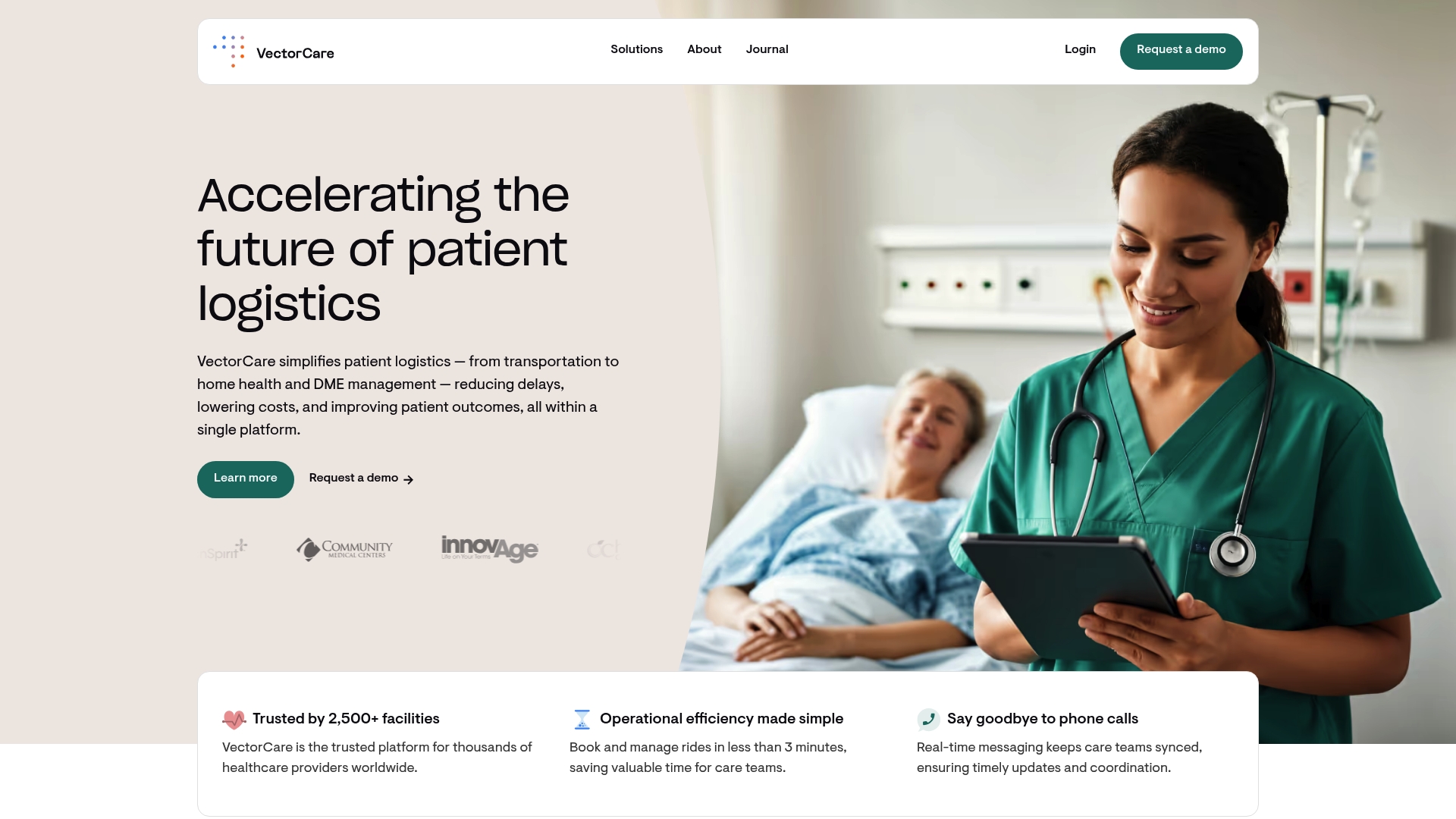
Ready to reduce administrative burdens and improve coordination across your healthcare services? Discover how VectorCare’s user-friendly platform can empower your organization with scheduling optimization, vendor management, and actionable data insights that align perfectly with the best practices for healthcare compliance success outlined in this article. Take the next step toward operational excellence by exploring VectorCare’s comprehensive solutions today and experience the future of healthcare logistics and compliance.
Learn more about how to strengthen your compliance and streamline operations by visiting VectorCare and see firsthand how automation and real-time tracking enhance patient care and regulatory adherence.
Frequently Asked Questions
What are the key components of an effective compliance policy in healthcare?
An effective compliance policy should include clear expectations, specific responsibilities, step-by-step procedures, consequences for non-compliance, and reporting mechanisms. Create comprehensive, well-documented guidelines that cover patient privacy, data security, and billing practices to ensure all employees understand their obligations.
How often should healthcare staff receive training on compliance regulations?
Healthcare staff should receive training regularly—ideally, more than once a year—to stay updated on evolving regulations. Implement a continuous learning approach with interactive modules and real-world scenarios to reinforce compliance knowledge throughout the year.
What steps can I take to improve monitoring and auditing processes in my healthcare organization?
Enhance your monitoring and auditing processes by scheduling regular comprehensive reviews and conducting random spot checks. Establish clear remediation protocols and maintain detailed documentation of audit findings to drive improvements and ensure compliance.
Why is open communication essential for compliance success in healthcare?
Open communication fosters a culture of transparency, encouraging staff to report concerns without fear of retaliation. Create anonymous reporting mechanisms and provide clear escalation pathways to empower employees to raise compliance issues proactively.
How can I automate compliance documentation and record management effectively?
To automate documentation, integrate electronic health records with systems that ensure real-time compliance monitoring and secure digital archiving. Look for platforms that offer intelligent error detection to streamline documentation processes and reduce administrative workload.
What should be included in an annual review of compliance strategies?
An annual review should assess the regulatory landscape, analyze policy gaps, evaluate industry trends, and review internal audit findings. Collaborate across departments to ensure that your compliance strategies remain current and responsive to new challenges.